

Our Blog
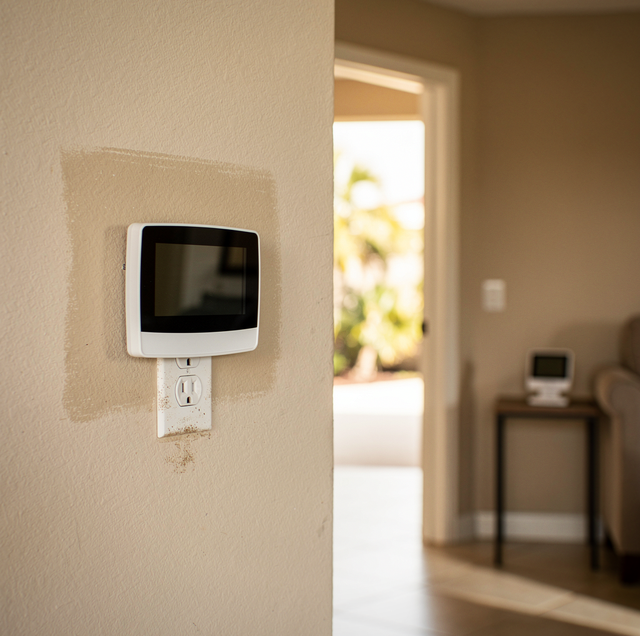
Thermostat Reading Wrong? What It's Actually Sensing
The thermostat in the hallway says one temperature. The little thermometer sitting on a shelf across the room says a different one.
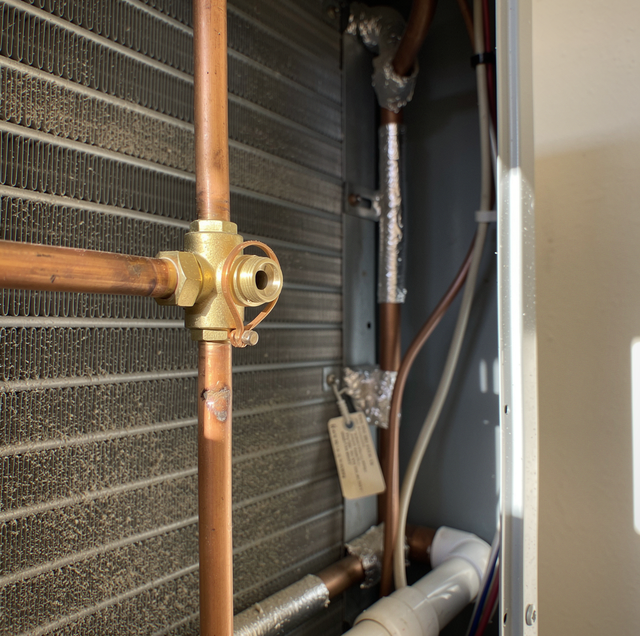
The Job a TXV Does on an Air Conditioner and the Leak It Mimics
Either your air conditioner is low on refrigerant, or something in the line is throttling the flow to the coil, and the invoice on your counter cannot distinguish between the two.
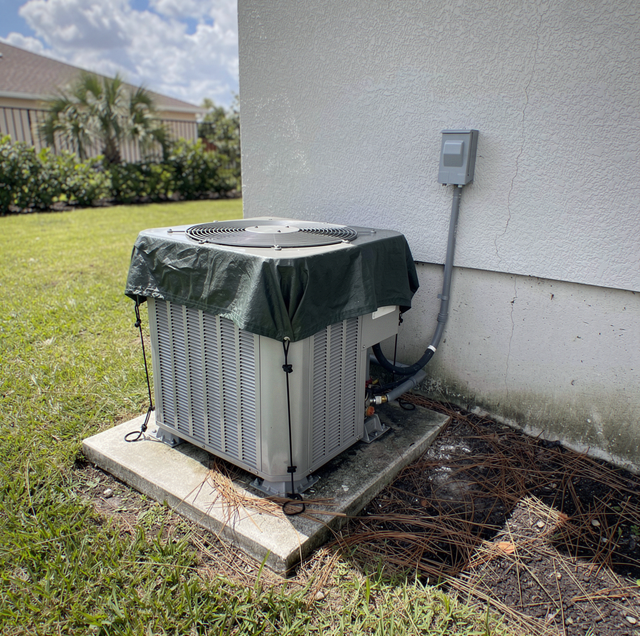
Cover or Shut Off Your AC Before a Storm? One Backfires
An outdoor condenser has an open top with a fan pulling air up through it, a coil face on the sides, and drain holes in the base pan.
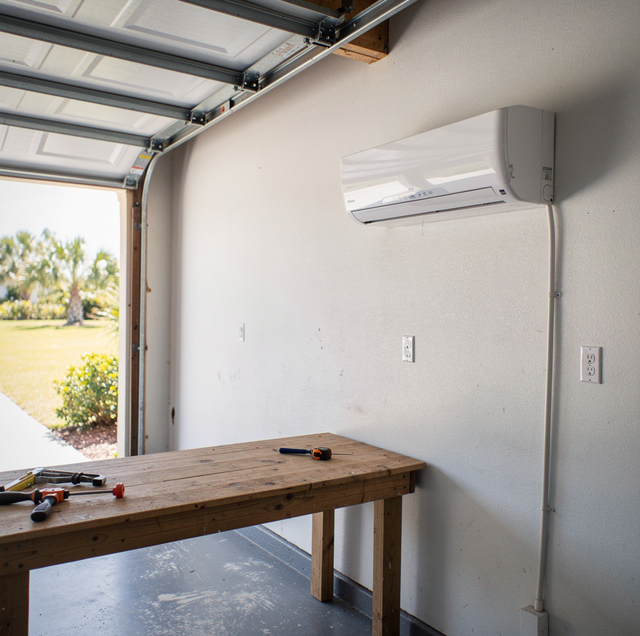
Ductless Mini-Split vs. Window Units for a Garage or Addition
A converted garage or a bonus-room addition rarely connects to the main duct system the way the rest of the house does, so it needs its own cooling source.
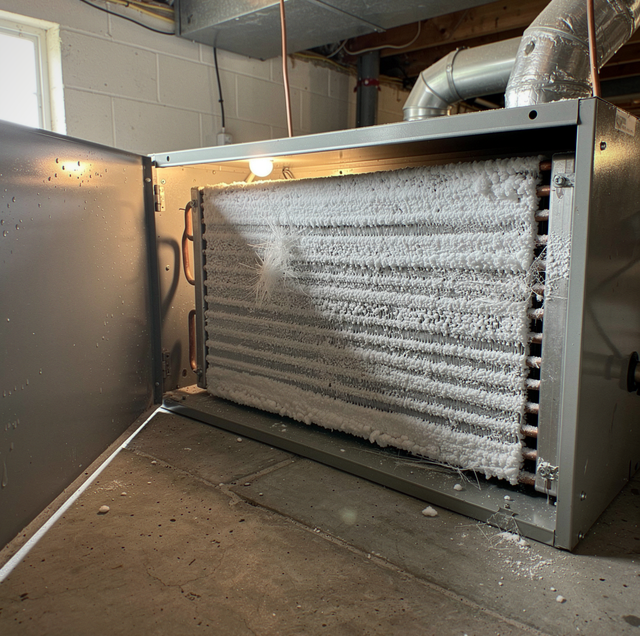
Why Your AC Freezes Up in the Middle of Summer
Ice on an air conditioner in July looks wrong the moment you see it. The unit is straining against ninety-plus-degree heat, the compressor is running almost nonstop, and somehow a layer of frost is creeping across the refrigerant lines or building into a solid block on the indoor coil.
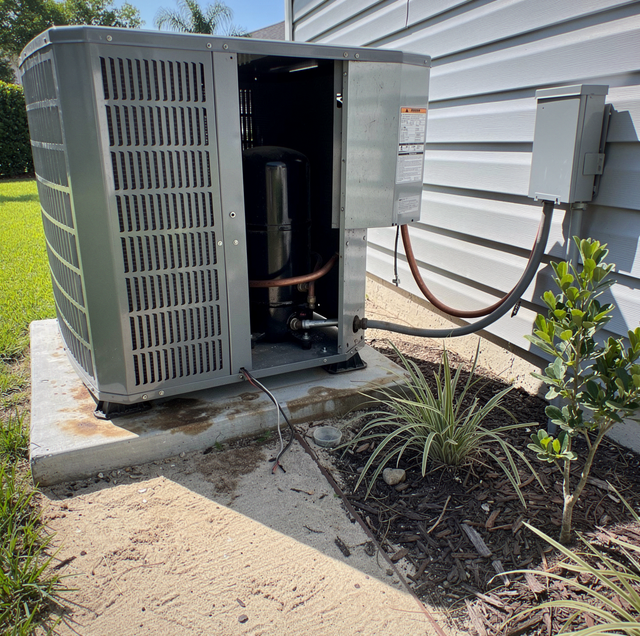
When Is It Worth Repairing an AC Compressor vs Replacing?
A compressor failure has a way of turning a routine service call into a much bigger conversation.
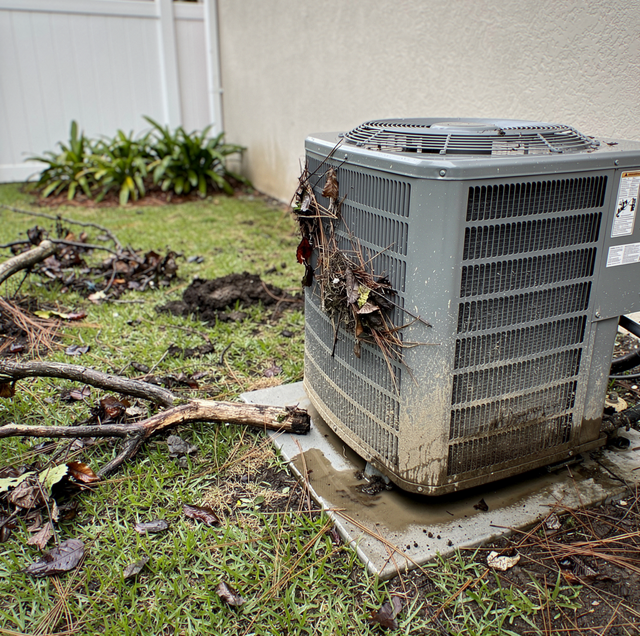
What to Check on Your AC After a Storm or Flood: A Safety Checklist
The rain has stopped; the yard is a mess of leaves and broken branches, and a few inches of standing water still pool against the side of the house.
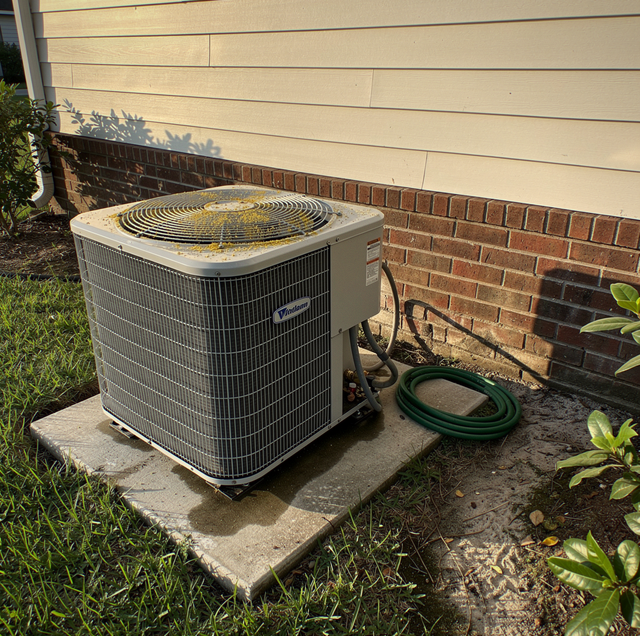
Heat Pump vs. Straight AC With Electric Heat: Humid Climate Guide
Picture a service call where the homeowner has already made up their mind: replace the failing air conditioner with the exact same setup, straight-cool AC paired with electric heat strips for the handful of cold nights each winter.
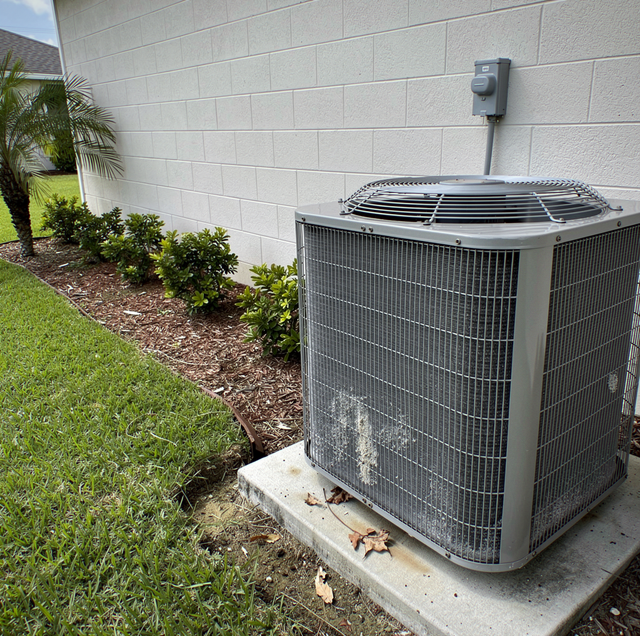
Storm Power Surges and Your AC: What Fails First
The sky flashes, thunder rattles the windows, and the outdoor unit that was humming along a second ago goes quiet mid-cycle.
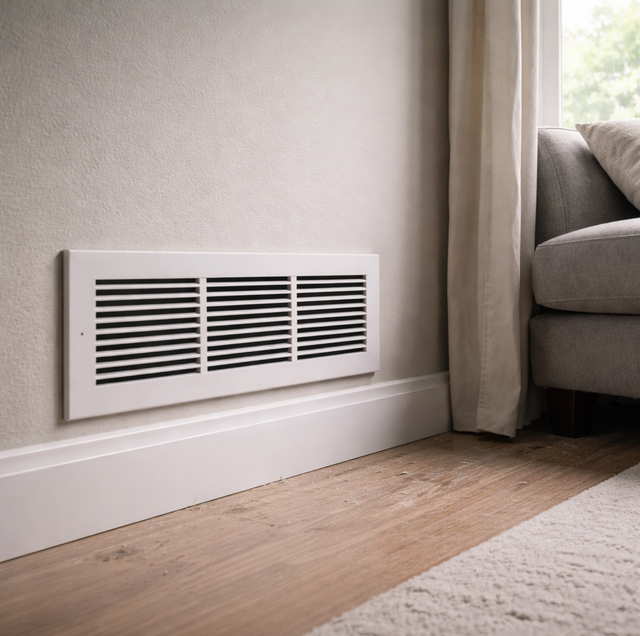
Why One Room Is Always Hotter Than the Rest: 7 Causes
You set the thermostat once for the whole house, but one room never gets the memo.
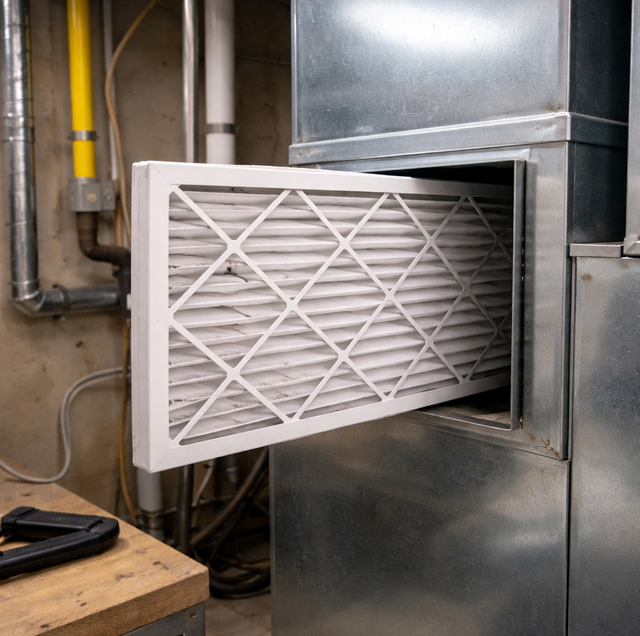
What MERV Rating Should Your Air Filter Be? A Quick Guide
Standing in the filter aisle with numbers running from 1 to 16 is a small ordeal, especially when the packaging insists that bigger is better.
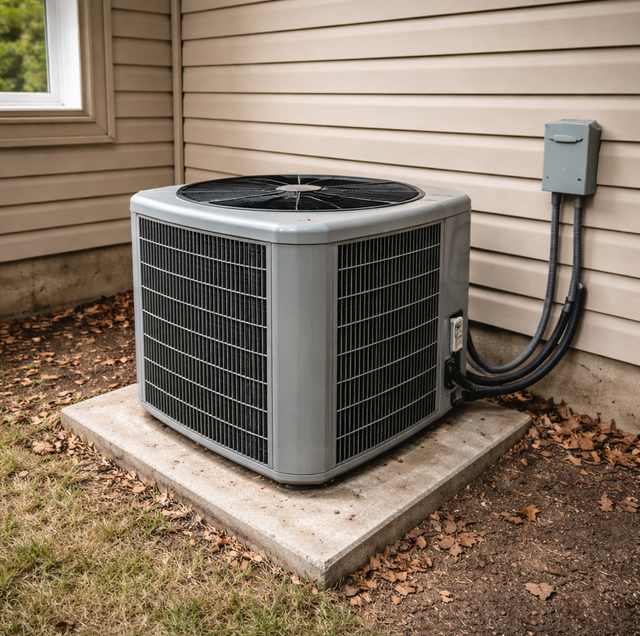
What Is a SEER Rating? The Number That Sets Your Cooling Bill
SEER stands for Seasonal Energy Efficiency Ratio. It is a single number that describes how efficiently an air conditioner or heat pump turns electricity into cooling over an entire cooling season, not at one fixed condition.
Variable-Speed AC: What It Does and Is It Worth It?
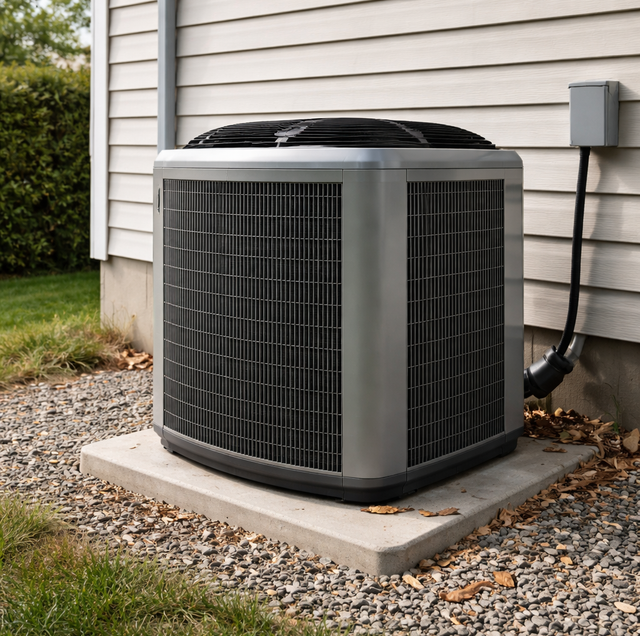
If your air conditioner slams on at full blast, chills the house past the setpoint, then shuts off cold until the room drifts warm again, you are watching a single-stage compressor do the only thing it knows how to do: run flat out or not at all.
AC Blowing Warm Air but Still Running? What to Check
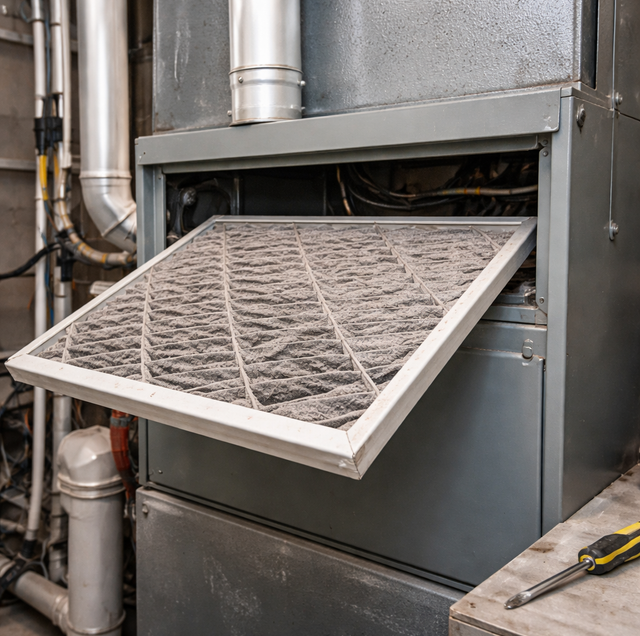
An air conditioner that runs but never cools is one of the more confusing failures a homeowner runs into.
Why Your Outdoor AC Unit Rusts So Fast (and What It Costs You)
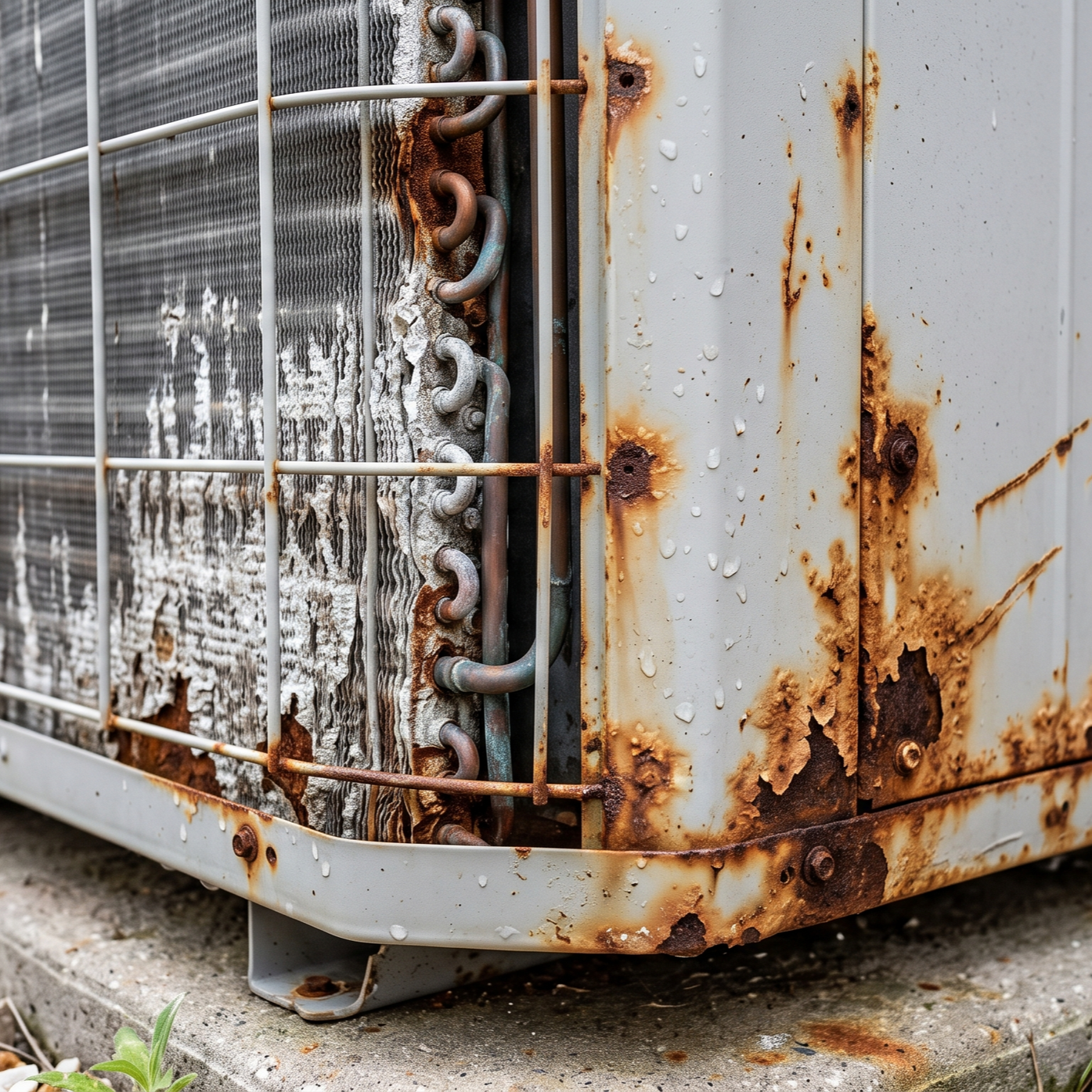
You bought the system a few years ago, and already the outdoor unit looks like it has been sitting in a junkyard. Orange streaks run down the cabinet, the fins look chalky, and you are wondering whether the whole thing is about to die. Rust on an outdoor air conditioner is common, but how quickly it shows up and where it appears tell very different stories. Some of it is skin-deep. Some of it is the start of a real problem.
Condensation Dripping From Your Ductwork? What It's Telling You
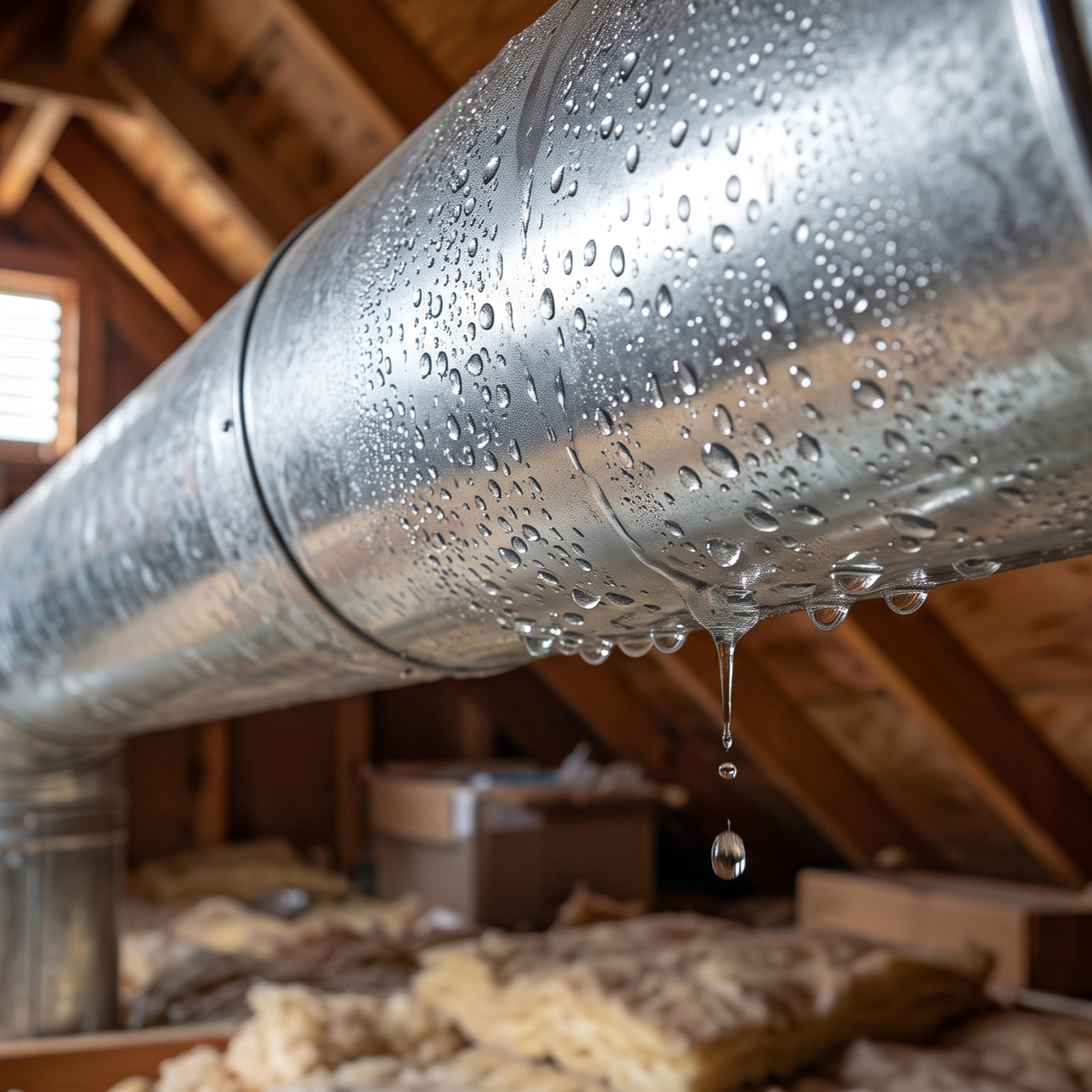
You walk into a room, glance up, and there it is: beads of water clinging to the metal duct overhead, or a spreading brown ring on the ceiling below it. It looks like a leak, but nothing is broken, and no pipe runs through that space. What you are almost certainly seeing is a duct that has started to sweat, and the water is coming out of the air itself.
Oversized vs. Right-Sized AC: Why Bigger Isn't Better
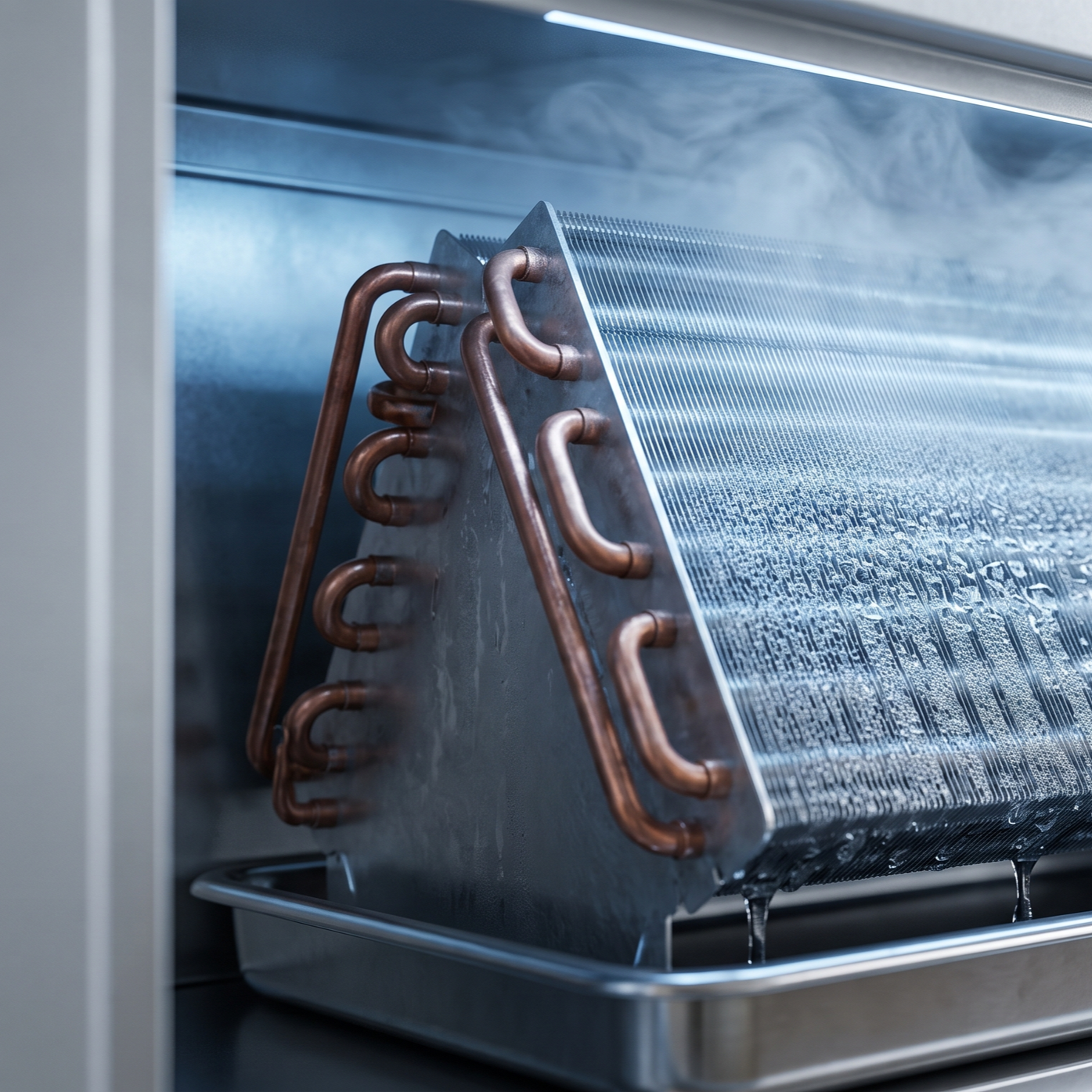
It sounds like common sense: if the house is not comfortable, install a larger air conditioner. More power, more cooling, right? Except a lot of homes with a too-big unit end up cold and clammy at the same time, with humidity they cannot shake, rooms that never feel quite right, and an AC that clicks on and off all day. In a humid climate, an oversized air conditioner is one of the most common comfort mistakes there is.
Black Mold in Your AC Vents: How It Gets There and How to Stop It
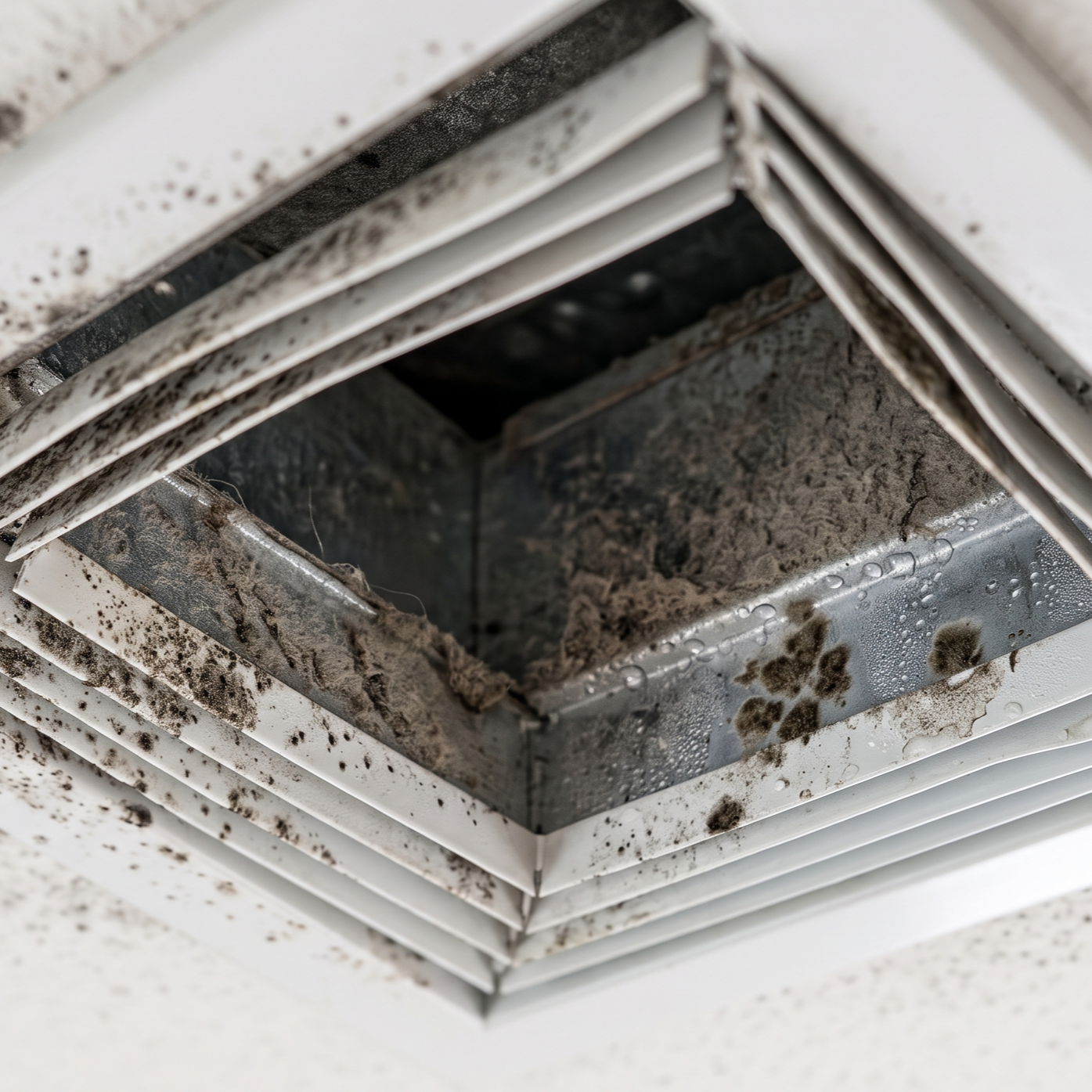
You notice it while you are standing under a vent. A ring of dark speckles around the register, or a musty note that rolls out the moment the air kicks on. The instinct is to grab a rag and some cleaner, wipe the grille, and move on. That handles what you can see. It rarely handles what feeds it because the spots at the vent are usually the last stop, not the source.
Why Your AC Condensate Drain Line Keeps Clogging
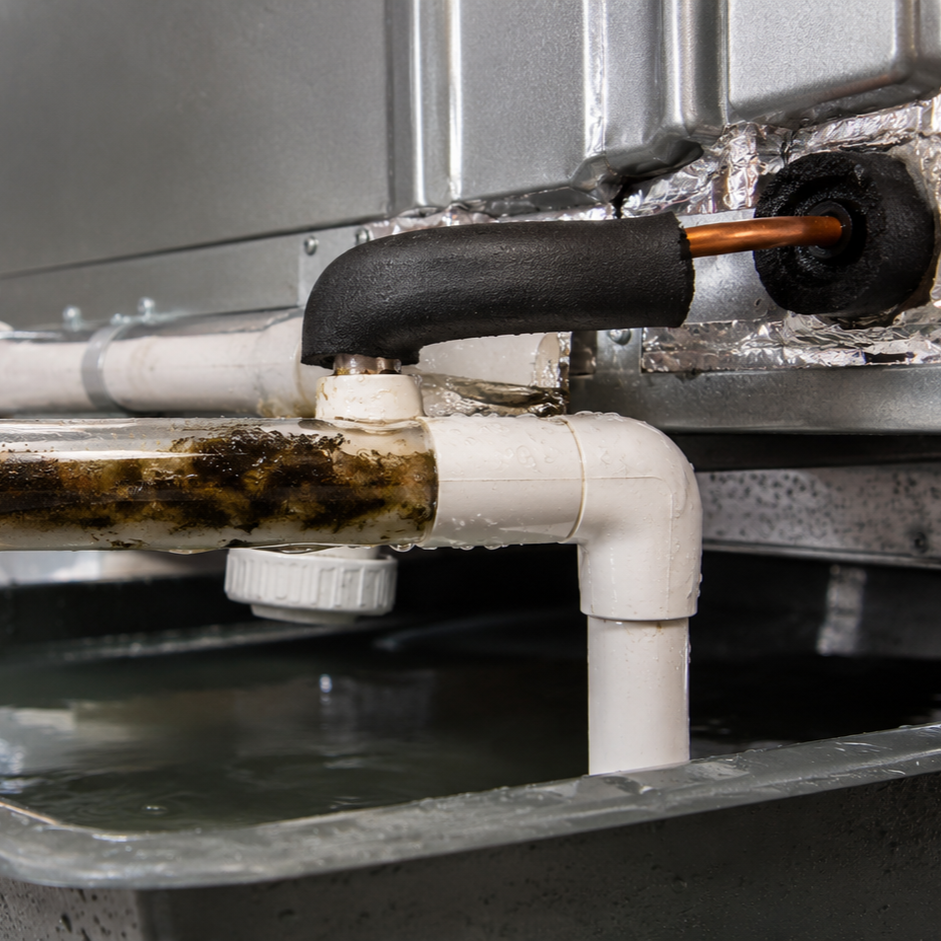
If you've cleared your AC's condensate drain line only to have it clog again, you're dealing with one of the most common recurring AC issues — especially in a humid climate. The drain line clogs because it's essentially designed to be a breeding ground for the buildup that blocks it. Understanding why helps you see why routine maintenance, not a one-time fix, is the answer.
Why Your AC Runs All Day but the House Still Feels Humid
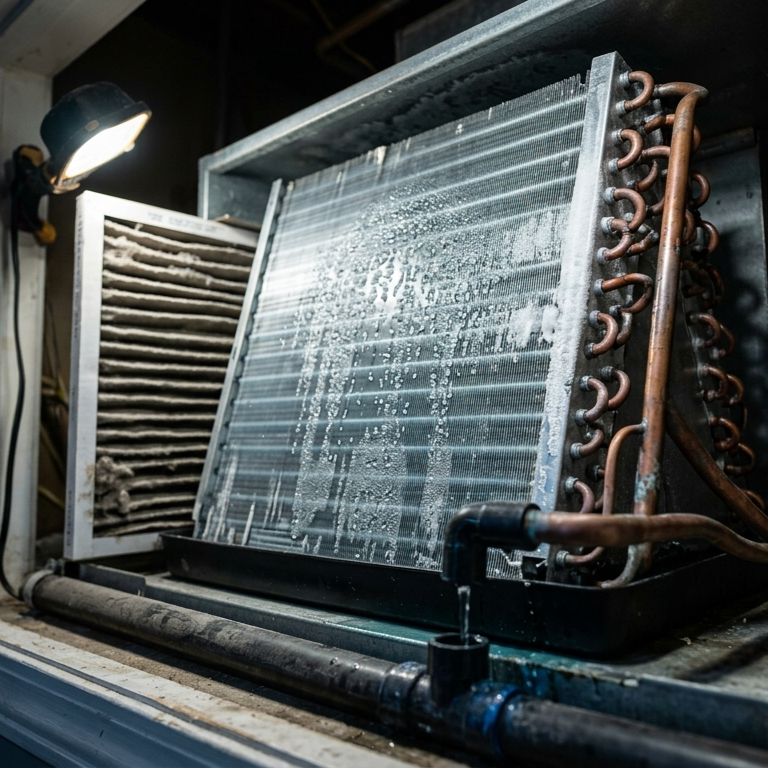
The thermostat says 74, the AC has been running since lunch, and the air still feels like you could wring it out. Doors stick, the bathroom mirror won't clear, and there's that clammy heaviness no amount of cold air seems to cut. Damp air slows how fast sweat evaporates off your skin, so a humid room feels warmer than its temperature reading — which is why "cold but sticky" is so miserable. In a place like Tampa, where the outdoor air is soaked most of the year, an air conditioner that cools but doesn't dehumidify isn't doing half its job. The reason almost always traces back to how long and how cold the system runs.