
Why Your AC Condensate Drain Line Keeps Clogging
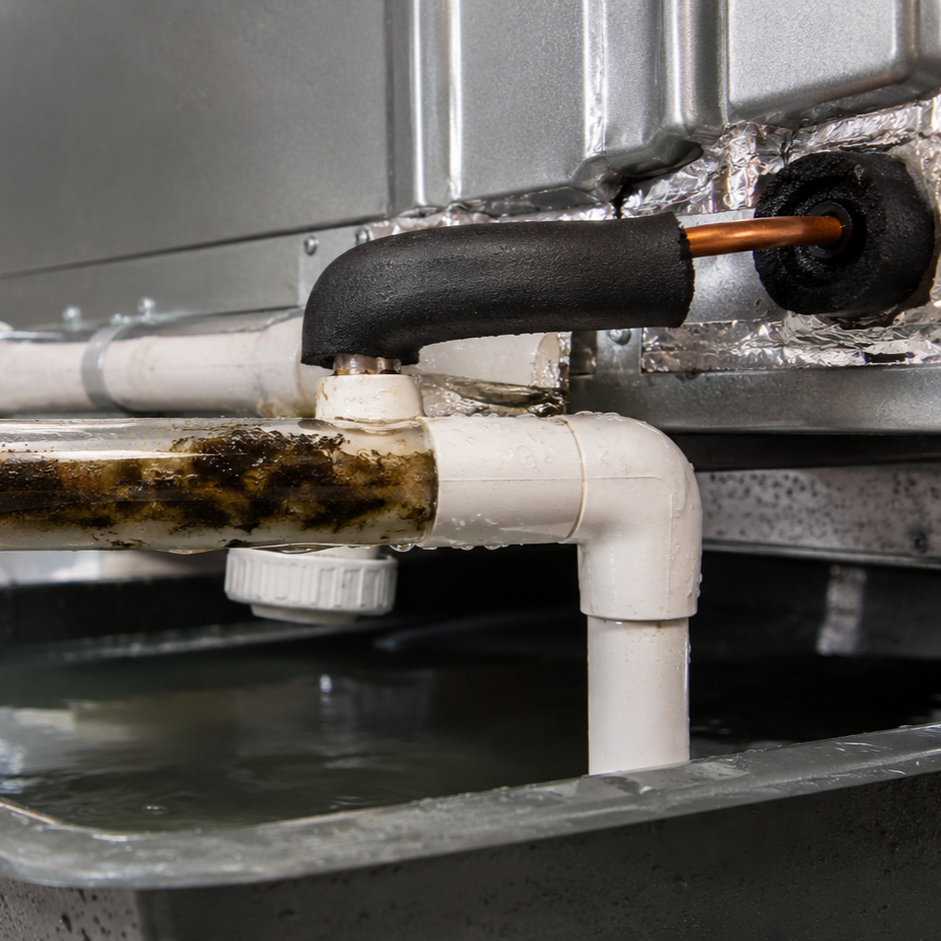
Quick Answer: An AC condensate drain line keeps clogging because it's the perfect environment for buildup: it carries water through a dark, damp pipe where algae, mold, mildew, and slime grow and accumulate, joined by dust and dirt that wash in from the system. Over time this gunk blocks the line, causing condensation to back up and overflow. In a humid climate, the AC produces a lot of condensation and runs heavily, which feeds the growth and makes clogs recur more often. Routine maintenance — keeping the line clear and the system clean — is what prevents repeat clogs, since the conditions that cause them are always present.
If you've cleared your AC's condensate drain line only to have it clog again, you're dealing with one of the most common recurring AC issues — especially in a humid climate. The drain line clogs because it's essentially designed to be a breeding ground for the buildup that blocks it. Understanding why helps you see why routine maintenance, not a one-time fix, is the answer.
What the Drain Line Does
Your air conditioner removes humidity from the air as it cools, and that moisture condenses into water on the evaporator coil. The condensate drain line is the pipe that carries this water away, collecting it from the drain pan and routing it outside or to a drain. In a humid climate, the AC pulls a lot of moisture from the air, so a significant amount of water flows through that line whenever the system runs. The line is constantly wet, which is the root of the problem.
Why It's a Breeding Ground for Buildup
Here's the heart of the issue: the condensate drain line is dark, damp, and full of flowing water — ideal conditions for biological growth. Algae, mold, mildew, and slimy biofilm thrive in that environment and steadily accumulate inside the pipe. Add the dust, dirt, and debris that get pulled into the system and wash into the line, and you have a recipe for buildup. Over time, this growth and gunk accumulate, blocking the line. So the line doesn't clog from a single event — it clogs because the conditions inside it continuously feed the very buildup that obstructs it. That's why clearing it once doesn't prevent it from happening again.
| What builds up | Why it accumulates |
|---|---|
| Algae and biofilm | Thrive in dark, damp, flowing water |
| Mold and mildew | Grow in the wet, dark line |
| Dust and dirt | Wash in from the system |
| Slime/sludge | Combination of growth and debris |
What Happens When It Clogs
When the buildup blocks the drain line, the condensation the AC produces has nowhere to go. It backs up in the line and overflows the drain pan, leading to water pooling around the indoor unit and potential water damage and mold in the surrounding area. Many systems have a safety switch that shuts the AC off when the drain backs up, to prevent overflow — so a clogged line can also cause the AC to stop cooling. Either way, a clogged condensate line turns into a water problem or a no-cooling problem, which is why keeping it clear matters.
Why Humid Climates Make It Worse
In a humid climate, the recurring-clog problem is amplified for two reasons. First, the AC removes a large amount of moisture from the humid air, so it produces more condensation, and the drain line carries more water — more flow through the always-wet pipe. Second, the warm, humid conditions and heavy system use favor the algae and mold growth that cause buildup. Together, these mean drain lines clog more frequently in humid regions than in dry ones. It's a normal consequence of running an AC hard in humid air, not a sign your system is defective — but it does mean the line needs regular attention.
Why Maintenance Is the Real Fix
Because the conditions that cause clogs are always present — a wet, dark line in a humid climate — the solution isn't a single fix but routine maintenance. Keeping the drain line clear through regular cleaning and keeping the system clean overall (including changing filters to reduce the dust that washes in) prevents buildup from reaching the point of blockage. Regular AC maintenance typically includes clearing and treating the condensate line to keep it flowing. Think of it like any system that accumulates buildup: it needs periodic cleaning to stay clear. Staying ahead of it with maintenance is far better than repeatedly dealing with backups, overflows, and a shut-down AC. A line that's cleared and treated on a regular schedule simply doesn't get the chance to build up to a blockage, which is why maintenance prevents the cycle rather than just interrupting it.
Don't wait for the next backup to address the drain line — build it into regular AC maintenance, especially in a humid climate where clogs recur. Keeping the line clear and treated, and changing filters to cut the dust that washes in, heads off the buildup before it blocks the line and overflows.
Frequently Asked Questions
Because it's a dark, damp pipe with water constantly flowing through it — ideal conditions for algae, mold, mildew, and biofilm to grow, joined by dust and dirt that wash in from the system. This buildup accumulates until it blocks the line. The conditions that cause it are always present, which is why clearing it once doesn't stop it from clogging again.
A combination of biological growth and debris. Algae, mold, mildew, and slimy biofilm thrive in the wet, dark line, while dust and dirt pulled into the system wash in and add to it. Together they form the sludge that accumulates and eventually blocks the line. In humid climates, heavy condensation and growth-friendly conditions cause this buildup to form faster.
The condensation the AC produces can't drain, so it backs up and overflows the drain pan, causing water pooling around the indoor unit and potential water damage and mold. Many systems have a safety switch that shuts the AC off when the line backs up, so a clog can also stop your AC from cooling. Either way, a clogged line becomes a real problem.
Two reasons. First, the AC removes a lot of moisture from humid air, producing more condensation and sending more water through the line. Second, the warm, humid conditions favor the algae and mold growth that cause buildup. Together, these make drain lines clog more frequently in humid regions, so the line needs more regular attention than in a dry climate.
Through routine maintenance, since the clog-causing conditions are always present. Keeping the line clear with regular cleaning and treatment, and keeping the system clean — including changing filters to reduce the dust that washes in — prevents buildup from blocking the line. Regular AC maintenance usually includes clearing the condensate line, which is the reliable way to prevent recurring clogs.
Yes. When the line clogs and water backs up and overflows the pan, it can cause water damage to floors, walls, and ceilings, and the damp conditions promote mold growth. This is why a clogged condensate line shouldn't be left unaddressed. Keeping the line clear through maintenance prevents the overflow that leads to this kind of water damage.
Stay Ahead of the Buildup
Your AC condensate drain line keeps clogging because it's a wet, dark pipe that naturally breeds the algae, mold, and gunk that block it — and in a humid climate, heavy condensation and growth-friendly conditions make it recur faster. Since the cause is always present, routine maintenance to keep the line clear is the real fix, not a one-time clearing. Stay ahead of it, and you avoid the backups, overflows, and shut-downs a clogged line causes.
Tired of a drain line that keeps clogging and backing up? — Get it cleared and put your AC on a maintenance plan for the humidity. CMB Air serves Tampa and the Tampa Bay area. Call (813) 447-1443.
