
Heat Pump vs. Straight AC With Electric Heat: Humid Climate Guide
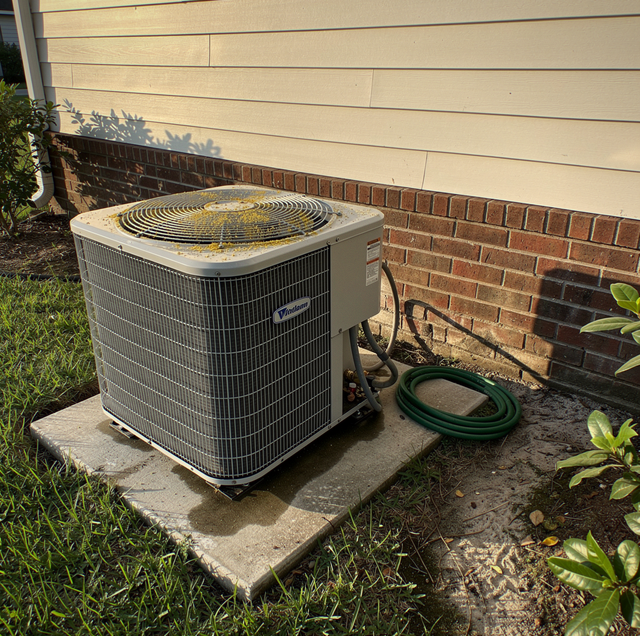
Two Systems, One Muggy Afternoon
Picture a service call where the homeowner has already made up their mind: replace the failing air conditioner with the exact same setup, straight-cool AC paired with electric heat strips for the handful of cold nights each winter. Then the technician asks one question that stalls the decision: does the new system need to handle heating too, or just cooling and dehumidification? In a climate where summers are long, winters are short, and the air rarely drops below the point where a heat pump gives up and switches to backup resistance heat, that question changes which system actually makes sense. A heat pump and a straight-cool AC with strip heat can look almost identical bolted to the side of a house. What happens inside the refrigerant circuit, and how each one behaves on a 95-degree day with 80 percent humidity, is where the real differences show up.
How Each System Actually Works
A straight-cool AC system only moves heat in one direction. The outdoor condenser and indoor evaporator coil work together to remove heat and moisture from the house and release them outside. When the thermostat calls for heat instead, the compressor has nothing to do with it. A separate set of electric resistance strips inside the air handler, or a gas furnace in some setups, generates heat directly, the same way a toaster or space heater does, just with more capacity.
A heat pump uses the same basic refrigerant loop as an AC, but adds a reversing valve that lets it run the cycle backward. Instead of only rejecting heat outdoors, it can pull latent heat out of the outdoor air, even on a cool morning, and move it inside. The compressor does the heavy lifting for both cooling and heating. Electric strips remain as a backup, intended to cover the coldest hours, not to carry the full heating load.
Comparing the Two Systems Feature by Feature
| Feature | Heat Pump | Straight AC + Electric Heat |
|---|---|---|
| Cooling performance | Identical compressor-and-coil cooling; no difference from a straight-cool system | Identical compressor-and-coil cooling |
| Heating method | Compressor moves heat using the refrigerant cycle; resistance strips only cover deep cold | Resistance strips generate all heat directly, cycle after cycle |
| Heating efficiency on mild nights | Delivers multiple units of heat per unit of electricity used | Delivers roughly one unit of heat per unit of electricity used |
| Dehumidification in shoulder seasons | Can run a mild cooling cycle to manage indoor humidity even when outdoor temperatures dip | Only dehumidifies during an active cooling cycle; no low-load option |
| Compressor runtime pattern | Runs longer through the year since it also covers heating hours | Compressor only runs during cooling months; strips carry heating separately |
| Backup heat usage | Strips activate only below the system's balance point, a handful of hours most winters | Strips are the entire heating source, every time heat is called for |
| Storm and surge exposure | Reversing valve and defrost control add electronic components exposed to voltage spikes | Fewer outdoor electronic components tied to the heating function |
| Maintenance scope | Technician checks reversing valve, defrost cycle, and refrigerant charge on top of standard AC service | Standard AC service plus separate strip and furnace checks |
| Equipment count in the home | One outdoor unit handles both cooling and heating | Outdoor AC unit plus a separate heat source, sometimes a furnace, sometimes strips only |
| Best fit | Homes with mild, short winters where heating hours are limited | Homes that use straight resistance or gas heat as a matter of preference or existing ductwork |
Why Humidity Changes the Math
The comparison above holds in any climate, but a few of those rows carry more weight where the air stays heavy for most of the year. Long cooling seasons mean the compressor in either system logs a lot of runtime hours, pulling moisture and heat out of the indoor air. A heat pump's ability to run a light dehumidification cycle during the in-between weeks, when it's neither hot enough for full cooling nor cold enough for heating, matters more in a climate where indoor humidity climbs even on days that don't feel particularly warm. A straight-cool system waits for a full cooling call before it addresses moisture, which means the space can feel damp on a mild, overcast day even though the thermostat reads a comfortable temperature.
Heavy humidity also raises the stakes on sizing. An oversized system, heat pump or straight AC, cools the air fast enough to satisfy the thermostat before it has run long enough to pull much moisture out. That short-cycling pattern leaves the space cold and clammy at once, regardless of which heating method sits behind the AC coil. Getting the tonnage right matters more in a humid climate than in a dry one, since the margin for error is smaller.
What Short Winters Mean for the Heat Pump's Weak Point
The one real technical disadvantage of a heat pump is its behavior in truly cold weather. As outdoor temperatures drop, the compressor has less latent heat available to extract from the air, and heating capacity declines. Below a certain point, the system's control board switches over to the electric strips to make up the difference, and at that point the heat pump is running exactly as inefficiently as a straight electric system would.
That weak point matters far less where winters are short and hard freezes are rare. A heat pump's balance point, the outdoor temperature below which strips have to take over, sits low enough in most models that a climate with only occasional dips into the 30s and 40s rarely pushes the system into backup heat for more than a few hours at a stretch. In a colder region, where the compressor spends weeks below its balance point, that inefficiency adds up across an entire season. In a mild-winter climate, it's a minor exception rather than the rule, which is the main reason a heat pump earns a look in a place people mostly associate with cooling.
Runtime, Wear, and What Technicians See in the Field
Because a heat pump's compressor also carries the heating load, it accumulates more total run hours over the year than the compressor in a straight-cool system, which sits idle all winter while the strips or furnace do the work. That added runtime isn't automatically a downside; compressors are built for continuous duty, and mild winter mornings are lighter-duty than a July afternoon call for full cooling. It does mean the reversing valve, defrost control board, and associated wiring see more operating cycles over time than the equivalent components on a straight-cool unit, simply because they're active for more of the year.
Both systems are equally exposed to a voltage spike entering the outdoor unit's power connection during a lightning storm. A heat pump's added electronics, the reversing valve solenoid and defrost sensor circuit, give a spike a couple more components to potentially damage, though the compressor and control board remain the most vulnerable parts either way. A straight-cool system's added simplicity is a modest advantage, not a major one, since the core electrical vulnerability is shared by both designs.
Comfort Differences a Homeowner Actually Notices
A heat pump delivers heat through the same supply vents used for cooling, and the air coming out during a heating cycle runs noticeably cooler than what a furnace or strip-heat system produces, since it's warmed refrigerant rather than a glowing element. Some people find that air feels less "toasty" even though the thermostat reads the same number, while straight strips push out much hotter air in shorter bursts.
On the cooling side, there's no meaningful difference between the two. Where a heat pump tends to win is on border days: a 68-degree morning too cool for the AC and too warm to justify running the strips. A heat pump can run a gentle cycle in either direction to close that gap, while a straight-cool system tends to swing more sharply between "off" and "the strips are on," since there's no low-effort middle setting for a resistance heater.
Maintenance and Component Checks to Expect
A straight-cool AC with electric strips keeps maintenance relatively simple. The technician's seasonal visit focuses on the refrigerant charge, coil cleanliness, condensate drain line, and electrical connections at the compressor and contactor, and then separately checks the heat strip elements and any safety limit switches, which is usually a quick inspection since the strips have no moving parts.
A heat pump adds a few line items to that same visit. The reversing valve needs to be checked for correct switching between modes, and the defrost cycle, which periodically melts frost off the outdoor coil during cool, damp weather, needs to be verified. Because a heat pump handles more of the year's total runtime, refrigerant charge and coil condition tend to matter a little more consistently, since there's less of an off-season for problems to go unnoticed.
Choosing Between the Two for a Home in a Humid Climate
The honest answer depends on what the home already has and how the heating side gets used. A home with existing ductwork, a working set of electric strips, and a preference for keeping heating and cooling as two separate systems has no mechanical reason to switch. A straight-cool AC paired with electric heat is a proven setup, and where the strips rarely run more than a handful of nights a year, the efficiency gap barely shows up on an electric bill.
Where a heat pump earns its keep is in a home that leans on backup heat more than expected: a poorly insulated space, a household that keeps the thermostat higher in winter, or a preference for a single piece of outdoor equipment to do double duty rather than two separate heat sources. Compressor-based heating costs less per degree of warmth than resistance strips, and that gap widens the more hours the system spends heating rather than cooling. Where cooling dominates the calendar anyway, that heating advantage is a smaller slice of the annual picture than it would be in a colder place, but it still adds up over the cool mornings that a typical winter brings.
Frequently Asked Questions
No. Both systems use the same compressor-and-coil process to cool and dehumidify. The only functional difference between them appears on the heating side, where a heat pump reverses its refrigerant cycle rather than relying on a separate resistance element.
Only when outdoor temperatures fall below the unit's balance point, typically a handful of nights each winter in a climate with mild cold snaps rather than sustained freezing weather. The rest of the time, the compressor covers heating on its own.
Not by itself. Cooling performance and cooling-mode efficiency are essentially the same between a heat pump and a straight-cool AC of comparable size and rating. Any efficiency gain from a heat pump shows up on the heating side, not the cooling side.
Heavy humidity and long runtime hours put stress on both systems in similar ways, mainly through condensate management and coil wear, and neither the heat pump's reversing valve nor the straight-cool system's simpler design is inherently more resistant to that particular kind of stress.
In most cases, yes, provided the existing ductwork was sized correctly for the current airflow needs. The outdoor unit and refrigerant lines change, but supply and return ductwork sized for a straight-cool system generally works for a heat pump of similar tonnage.
Neither has a clear advantage. Both share the same core vulnerability at the compressor and control board. A heat pump's reversing valve and defrost sensor add a couple more components that could be affected, but the compressor remains the most exposed part either way.
Schedule a heating and cooling system evaluation — get a technician's read on whether a heat pump or a straight-cool AC with electric heat fits your home's layout and winter habits. CMB Air serves Tampa and the Tampa Bay area. Call (813) 447-1443.
