
Variable-Speed AC: What It Does and Is It Worth It?
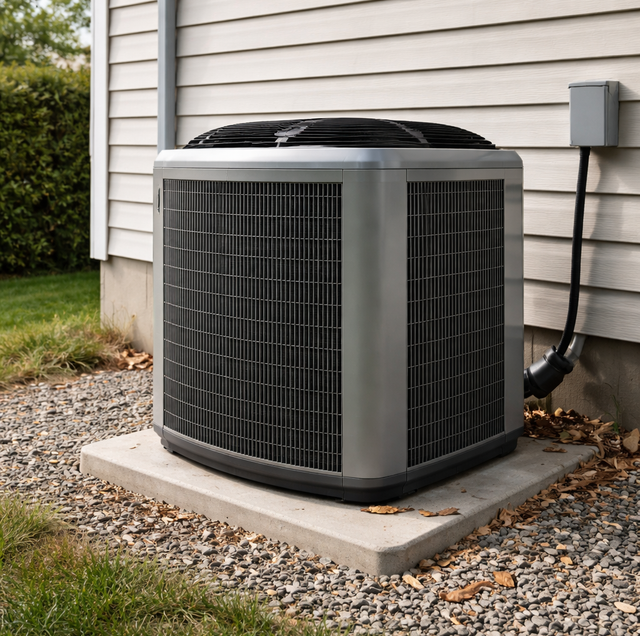
Quick Answer: A variable-speed AC (also called an inverter system) can run its compressor at many speeds instead of just on or off. It usually runs for long stretches at low output, which holds a steadier temperature, removes more humidity, runs quieter, and uses less energy. The tradeoff is a higher purchase price and more complex electronics, so it pays off most when comfort, humidity, and long ownership matter, and less when the space is small, or you plan to move soon.
If your air conditioner slams on at full blast, chills the house past the setpoint, then shuts off cold until the room drifts warm again, you are watching a single-stage compressor do the only thing it knows how to do: run flat out or not at all. A variable-speed system works differently, and that difference is the whole reason people ask whether it is worth the extra money. Understanding what the equipment actually does, and where it quietly falls short, tells you far more than any efficiency sticker on the box.
Single-Stage, Two-Stage, and Variable-Speed: The Real Difference
Before the benefits make sense, it helps to see the three ways a compressor can behave, because comfort and energy use both trace back to this one design choice.
Single-stage is the classic setup. The compressor has one speed: 100 percent. When the thermostat calls for cooling, it fires at full capacity, cools the air fast, satisfies the thermostat, and switches off. Then the room warms, the thermostat calls again, and the cycle repeats. This on-off pattern is called cycling, and a single-stage unit cycles hard because full power is the only power it has.
Two-stage adds a second, lower setting, usually around 65 to 70 percent capacity. On mild days the system runs on low, which stretches the run time and softens the temperature swings. On the hottest days it steps up to high. It is a meaningful improvement over single-stage without the full jump in complexity, and for many homes it lands in a sensible middle.
Variable-speed, the inverter type, does not think in stages at all. Its compressor modulates continuously across a wide range, often from roughly 25 percent up to 100 percent, and it settles at whatever output matches the load in the room at that moment. On a mild afternoon it might idle along at a third of its capacity for hours. The result is less like a light switch and more like a dimmer that finds the exact setting and holds it.
What a Variable-Speed System Actually Delivers
The long, low-speed run time is where the payoff comes from, and each benefit follows from that same behavior.
Even temperatures: Because the system rarely shuts fully off, it holds the setpoint within a tighter band instead of overshooting cold and drifting warm. Rooms far from the thermostat stay closer to the rest of the house, since air keeps moving rather than stopping between cycles.
Better humidity control: An AC pulls moisture out of the air only while the coil is cold and air is passing over it. A unit that blasts on and shuts off quickly satisfies the temperature but leaves much of the moisture behind. A variable-speed system runs long and slow, so air spends more time crossing the cold coil, and more water condenses out and drains away. Steady dehumidification is often the single most noticeable comfort upgrade, independent of the temperature reading on the wall.
Quieter operation: A compressor loafing at low speed is far quieter than one hammering at full tilt, and the outdoor unit avoids the loud startup surge every few minutes. Indoors, the matched variable-speed blower moves a gentle, constant stream of air instead of gusting on and off.
Higher efficiency: Starting a compressor draws a heavy jolt of power, and a single-stage unit pays that startup cost over and over. Running steadily at low output sidesteps most of those surges, which is a large part of why variable-speed equipment carries higher SEER2 efficiency ratings. The savings show up as reduced energy use across a long cooling season, not as a dramatic drop on any single day.
If the system is a heat pump, all of this applies to heating too. In heating mode, the same modulating compressor holds a steadier warmth and avoids the cold-air blasts that a single-stage heat pump can produce between cycles, so the comfort gain is not a summer-only story.
The Tradeoffs Worth Naming
A variable-speed system is not simply a better version of the same machine. It asks for more, and pretending otherwise leads to disappointment.
Higher upfront cost: The equipment costs more than single-stage or two-stage gear, sometimes considerably more. The energy savings are real but gradual, so the math works best over years of ownership rather than a quick payback.
More complex electronics: Continuous modulation is controlled by an inverter drive and a stack of circuit boards and sensors. That is more parts that can eventually fail, and when one does, the repair tends to be pricier and calls for a technician who knows the specific system, not a universal part off the truck. A power surge is also less forgiving to sensitive control boards than to a plain single-stage contactor.
It only performs if the install is right: This is the part buyers underestimate. A variable-speed compressor delivers its comfort and efficiency only when it is paired with a matched, communicating air handler or blower and a compatible thermostat, and only when the whole system is sized correctly for the space. Bolt a premium condenser onto mismatched parts, or oversize it, and you have paid for capability the system can never use.
Why Sizing and Install Matter as Much as the Equipment
An oversized variable-speed unit defeats its own purpose. If the equipment is far larger than the space needs, even its lowest speed overshoots the load, so it satisfies the thermostat quickly and starts short-cycling, exactly the on-off pattern you paid to avoid. The long, slow run time that removes humidity and steadies the temperature only happens when the capacity is matched to the actual heat gain of the home.
Getting that right is licensed HVAC work. A proper load calculation, correct refrigerant charging, and setup of the communicating controls are technician tasks, and refrigerant handling legally requires EPA certification. This is the reasoning behind a rule that sounds strange at first: two identical variable-speed units can perform very differently in two houses, and the difference is usually the install, not the box.
As an owner, the maintenance you can safely handle stays simple. Anything past filters, from checking refrigerant charge to servicing the inverter board, belongs to a qualified technician.
Changing the air filter on schedule is the one maintenance task an owner can safely handle, and it protects the airflow the whole system depends on. A restricted filter starves a variable-speed blower and quietly undercuts the comfort and efficiency you paid for.
When It Is Worth It, and When a Simpler Unit Is Fine
The decision comes down to what you value and how long you will own the home.
A variable-speed system tends to be worth it when steady comfort and humidity control are high priorities, when parts of the house run warmer or muggier than others, when quiet operation matters, and when you plan to stay long enough for the efficiency to add up. Homes with real moisture concerns often notice the dehumidification benefit first and rate it the most.
A simpler single-stage or two-stage unit is perfectly reasonable when the budget is tight, when the space is small and the load is even, when you may move before the efficiency pays back, or when a simple unit with fewer electronics to fail suits how you want to own equipment. Two-stage in particular is a strong compromise that captures much of the comfort gain at a lower price and lower complexity.
There is no single right answer, only a right match. The best move is a load calculation and an honest conversation about your priorities before anyone quotes a specific system, because the equipment tier should follow the diagnosis, not lead it.
Frequently Asked Questions
Often no. Many variable-speed systems use a communicating control that speaks a proprietary digital language between the thermostat, air handler, and outdoor unit, so they require the matched thermostat from that equipment line rather than a generic 24-volt model. Some systems can run in a non-communicating mode with a standard thermostat, but doing so can disable the finer modulation you paid for. Confirm compatibility before assuming your current thermostat carries over.
It can, and by design. Because it favors long, low-output runs, a variable-speed unit ramps up gradually rather than blasting cold air the instant it starts, so recovering from a large temperature setback takes longer than with a single-stage unit at full tilt. Many owners get better results leaving the setpoint fairly steady and letting the system hold it, rather than using deep setbacks the way you might with an on-off unit.
A well-installed, well-maintained inverter compressor is generally expected to last a similar span to a conventional one, often in the range of a dozen to fifteen years or more, and the gentler soft starts avoid the hard electrical and mechanical stress of repeated full-power startups. The variable in longevity is usually the electronics: the inverter board and sensors can fail before the compressor itself, which is why surge protection and routine service matter.
Not entirely. The constant airflow helps rooms stay closer in temperature than they would with an on-off unit, but true room-to-room imbalance usually traces to duct design, register sizing, or insulation, none of which the compressor speed changes. Pairing variable-speed equipment with a duct evaluation, or with zoning, addresses the root cause rather than masking it.
The filter type is usually the same, but keeping it clean matters more. A variable-speed blower modulates airflow precisely and is more sensitive to the added resistance of a clogged or overly dense filter than a single-speed blower. A filter that is too restrictive can force the system to work harder or trip protective limits, so follow the manufacturer's recommended filter rating and change interval rather than installing the thickest filter you can find.
It depends on the goal. For a home left unoccupied for stretches, the strength of a variable-speed unit is quiet, efficient background dehumidification at low output, which helps guard against moisture and mildew while nobody is home. But if the property is closed up with the system off entirely, that advantage goes unused, and the extra cost and electronic complexity are harder to justify than a simpler unit would be.
Book a free in-home load calculation before you pick a system — get equipment matched to your home, not oversold. CMB Air serves Tampa and the Tampa Bay area. Call (813) 447-1443.
