

Our Blog
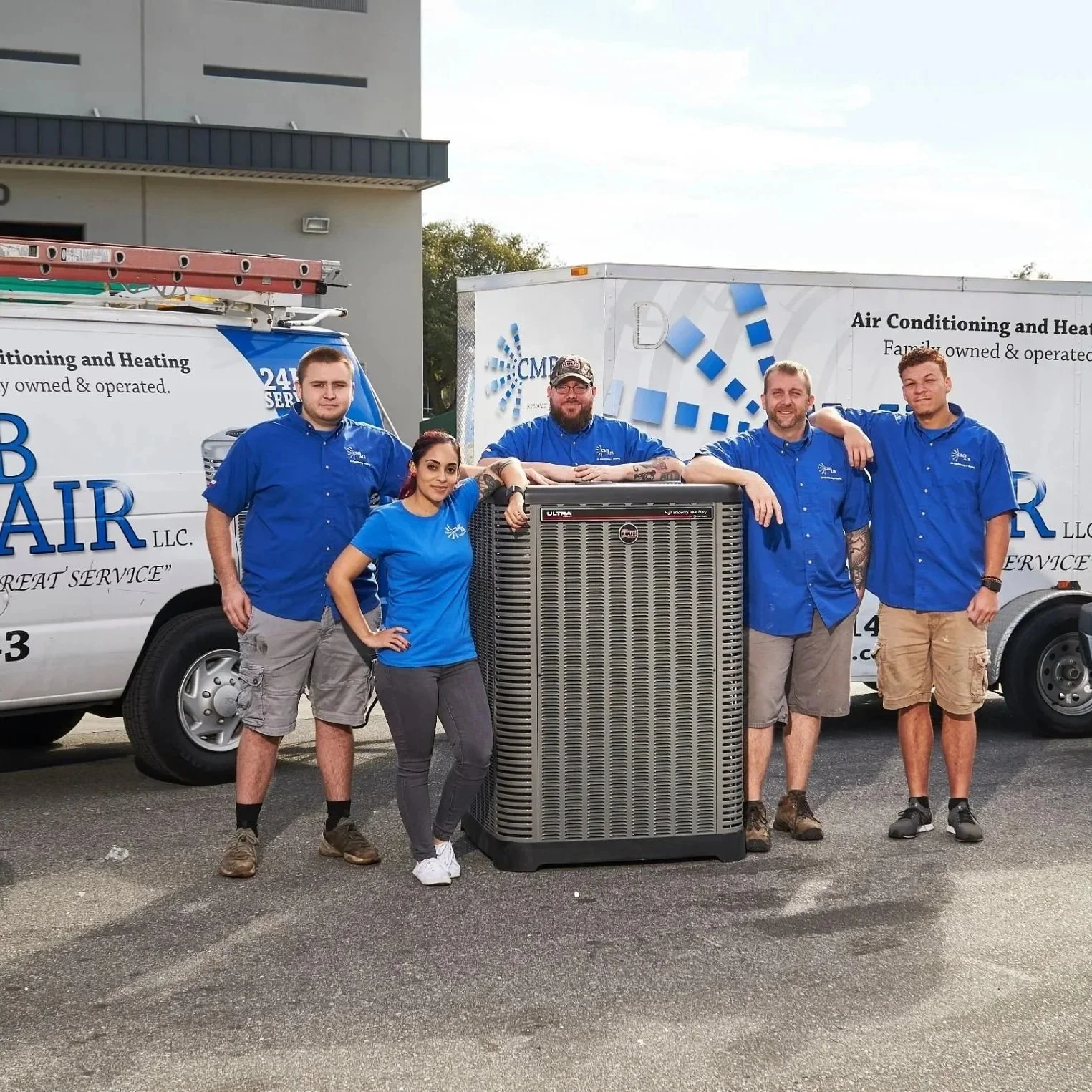
How to Choose a Reliable AC Installation Company in Tampa, FL
A reliable AC installation company in Tampa should understand Florida’s heat, humidity, and structural differences between homes.

Comparing Ductless AC Systems with Traditional HVAC Systems
Initial costs vary based on system complexity and building configuration. Professional assessment determines optimal system selection for specific applications.

Signs That Indicate a Failing AC Circuit Control Board Requires Replacement
Recognizing the signs of a failing circuit control board prevents further damage and supports timely HVAC repair or replacement.
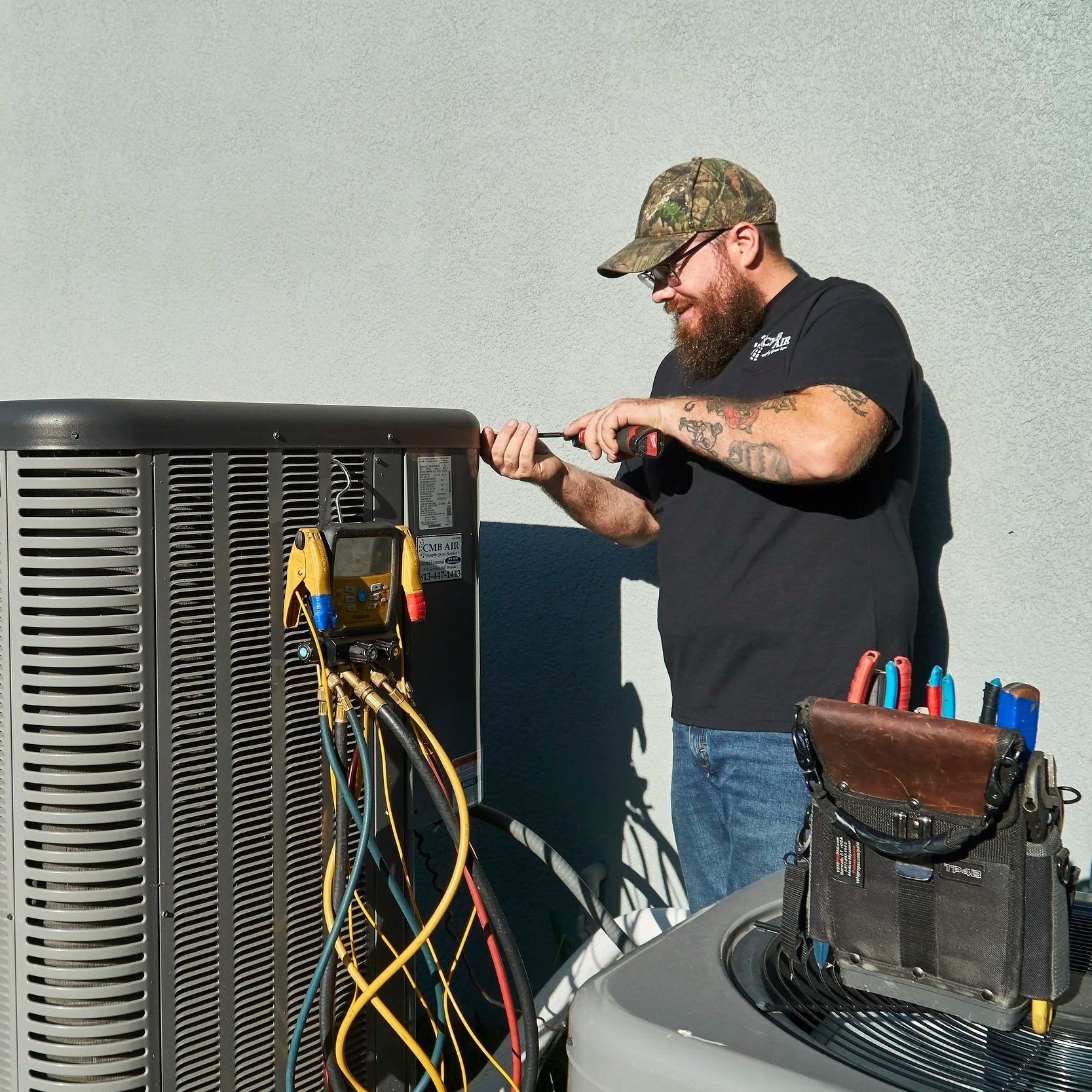
What to Expect on Installation Day: AC Installation in Tampa
A proper AC installation is more than equipment replacement—it involves careful preparation, safe removal of old components, and adapting the process to Tampa’s heat, humidity, and structural challenges.
Key Factors That Influence the Expense of AC Repairs and Maintenance
Multiple factors contribute to overall expense levels when addressing air conditioning issues.
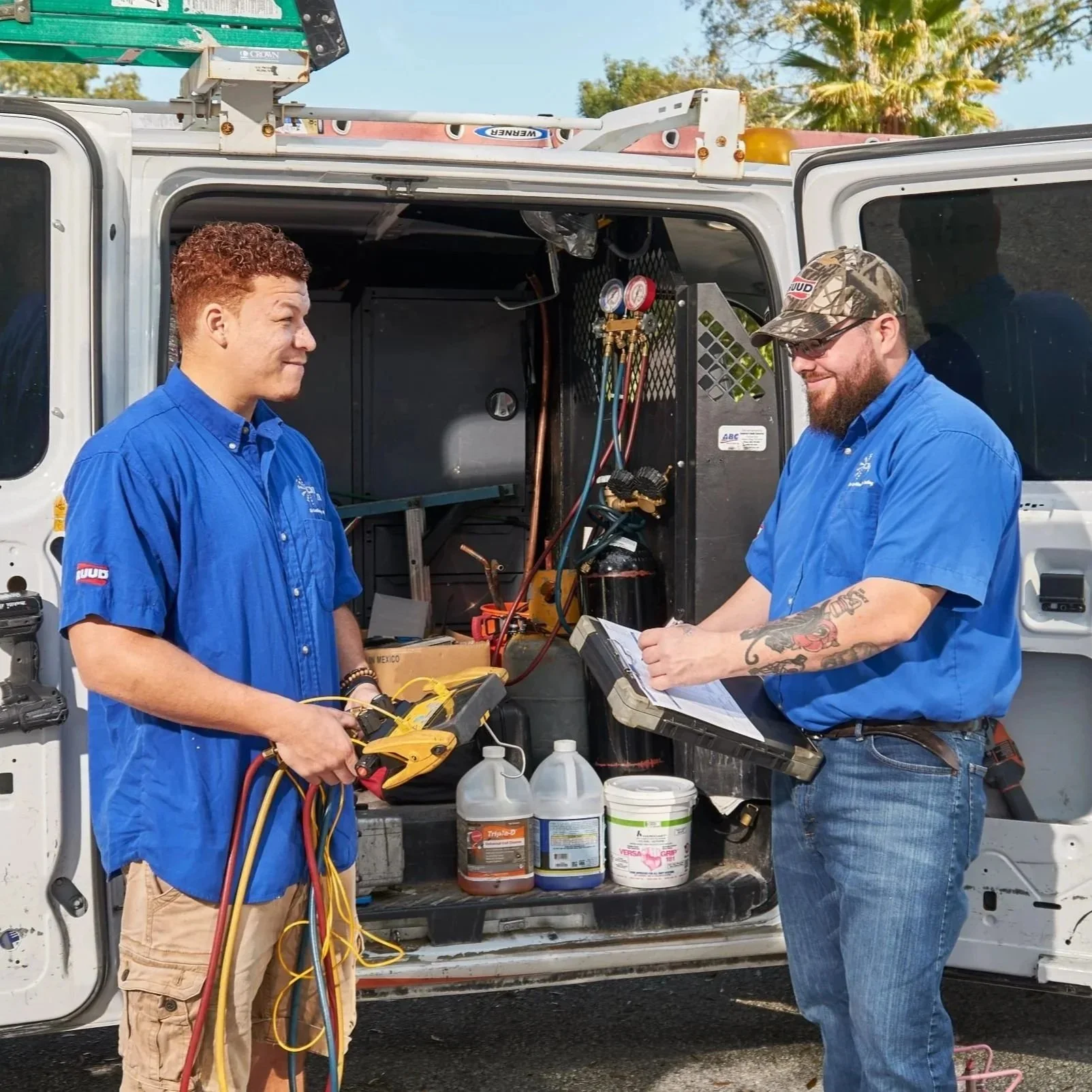
Common Mistakes to Avoid During AC Installation in Tampa, FL
Many Tampa homeowners assume AC installation is a simple replacement, but climate-driven design is what truly ensures long-term comfort and system reliability.

Warning Signs of AC Issues That Require Immediate Professional Attention
Understanding when to contact HVAC professionals can minimize equipment damage while maintaining reliable cooling performance.

How Durastar Mini-Split Systems Offer Customizable Cooling Solutions
With flexible installation options and smart climate management, these systems offer customized solutions that enhance comfort while maintaining energy efficiency.
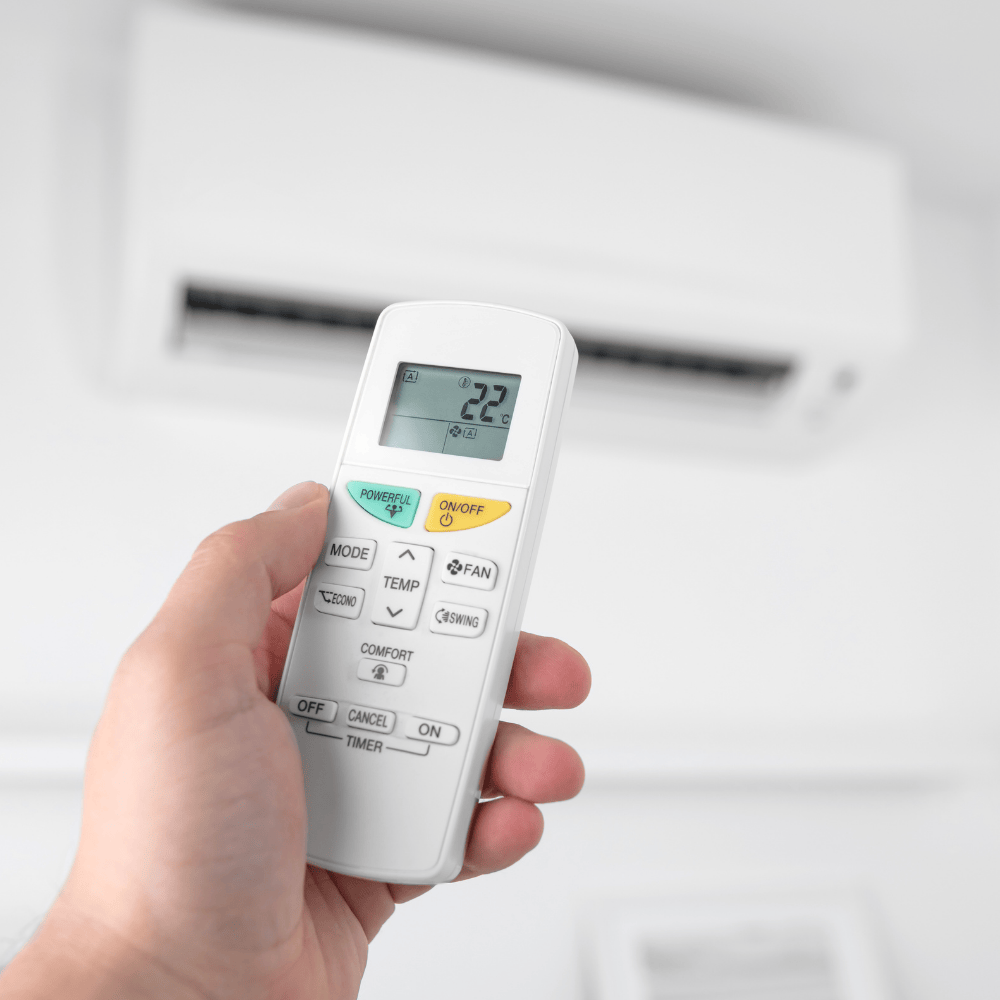
How to Prepare Your Home for AC Installation in Tampa
Preparing your ductwork and understanding airflow changes before installation ensures your new AC system performs efficiently from day one.

The Impact of Refrigerant Leaks on AC System Performance and Efficiency
Professional HVAC installation establishes the correct initial charge, while regular maintenance monitors refrigerant levels to detect potential leaks early.

The Long-Term Benefits of Timely AC Condenser Replacement
Understanding the benefits of proactive replacement helps with making informed decisions about aging HVAC systems.
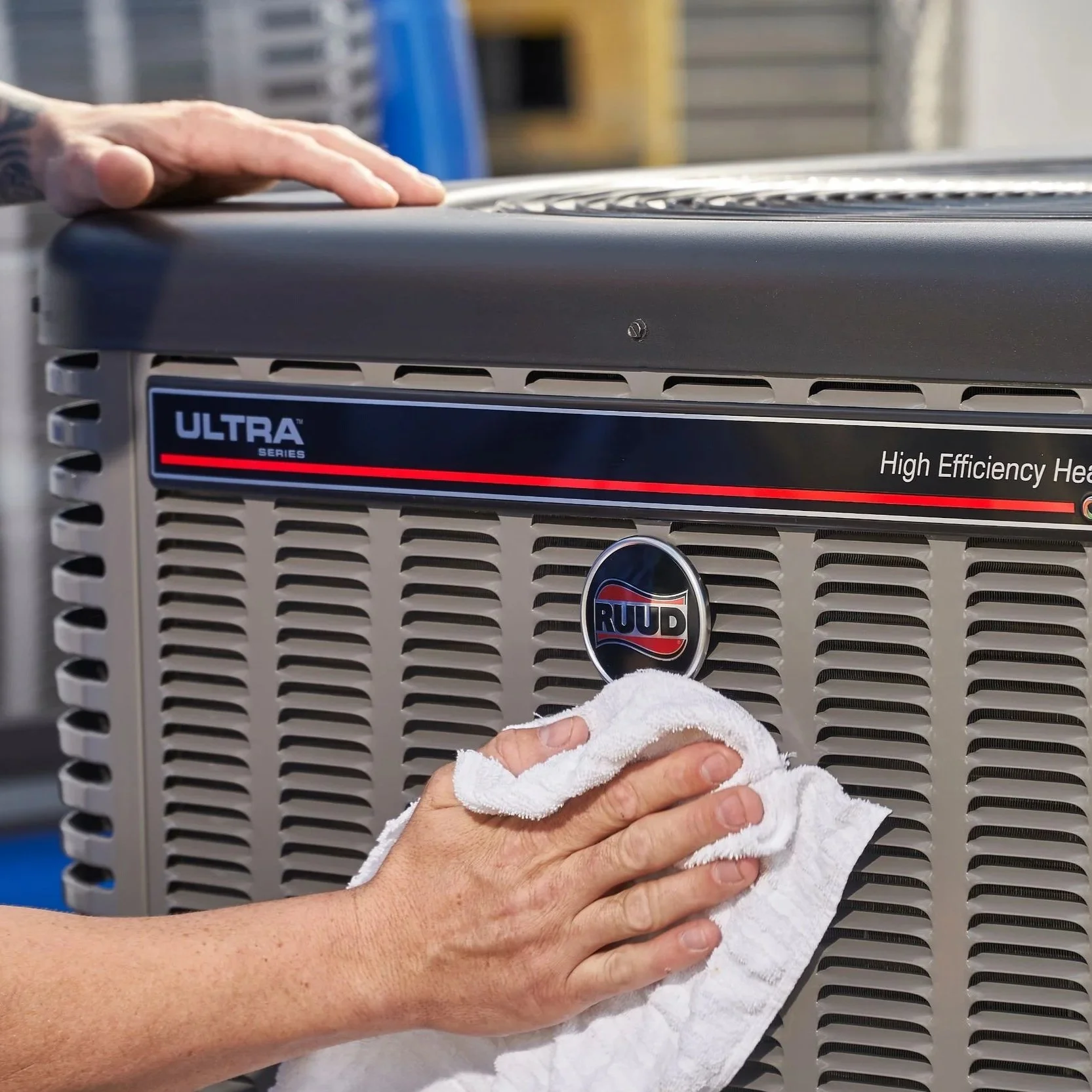
Duct Fogging for Mold Removal in Tampa, FL: An Explanatory Approach
Duct fogging is especially effective in Tampa because it targets mold growth inside hidden duct surfaces where humidity-driven condensation keeps spores active.

Factors That Influence the Lifespan of an AC Fan Motor
The lifespan of this essential part varies based on multiple factors, impacting both performance and longevity.
Allergy Relief through Duct Fogging in Tampa Homes
Because Tampa’s humidity lets allergens cling and multiply inside ductwork, treating the HVAC system itself becomes essential for real allergy relief.

How Power Surges and Electrical Faults Impact AC Circuit Control Boards
Understanding the impact of electrical disturbances on circuit control boards highlights the importance of preventive measures and professional diagnostics.

The Function of the Evaporator Coil in AC Cooling Efficiency
Understanding the function and maintenance requirements of evaporator coils helps property owners recognize the importance of proper HVAC care and professional service.
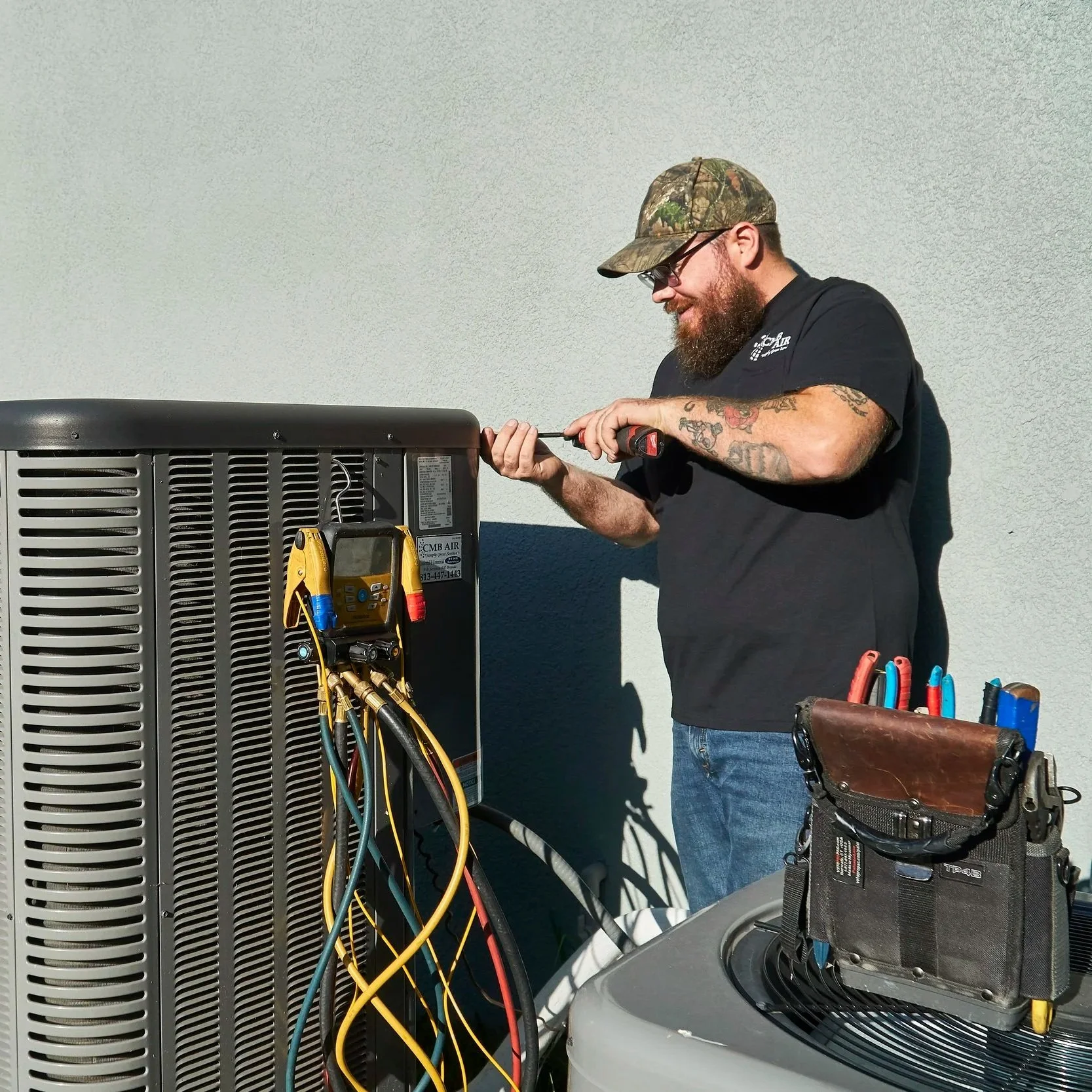
How to Evaluate If You Need Professional Duct Fogging in Tampa, FL
Persistent musty odors tied to HVAC operation, especially in Tampa’s humid climate, often signal microbial activity inside ducts that professional fogging can effectively address.

The Impact of Proper Sizing on AC System Longevity and Energy Savings
Advanced software tools enable precise calculations while considering multiple variables affecting cooling requirements.

How Ductless AC Systems Improve Indoor Air Quality and Comfort
Regular professional maintenance keeps filtration systems operating at peak performance while maintaining optimal indoor air quality levels.
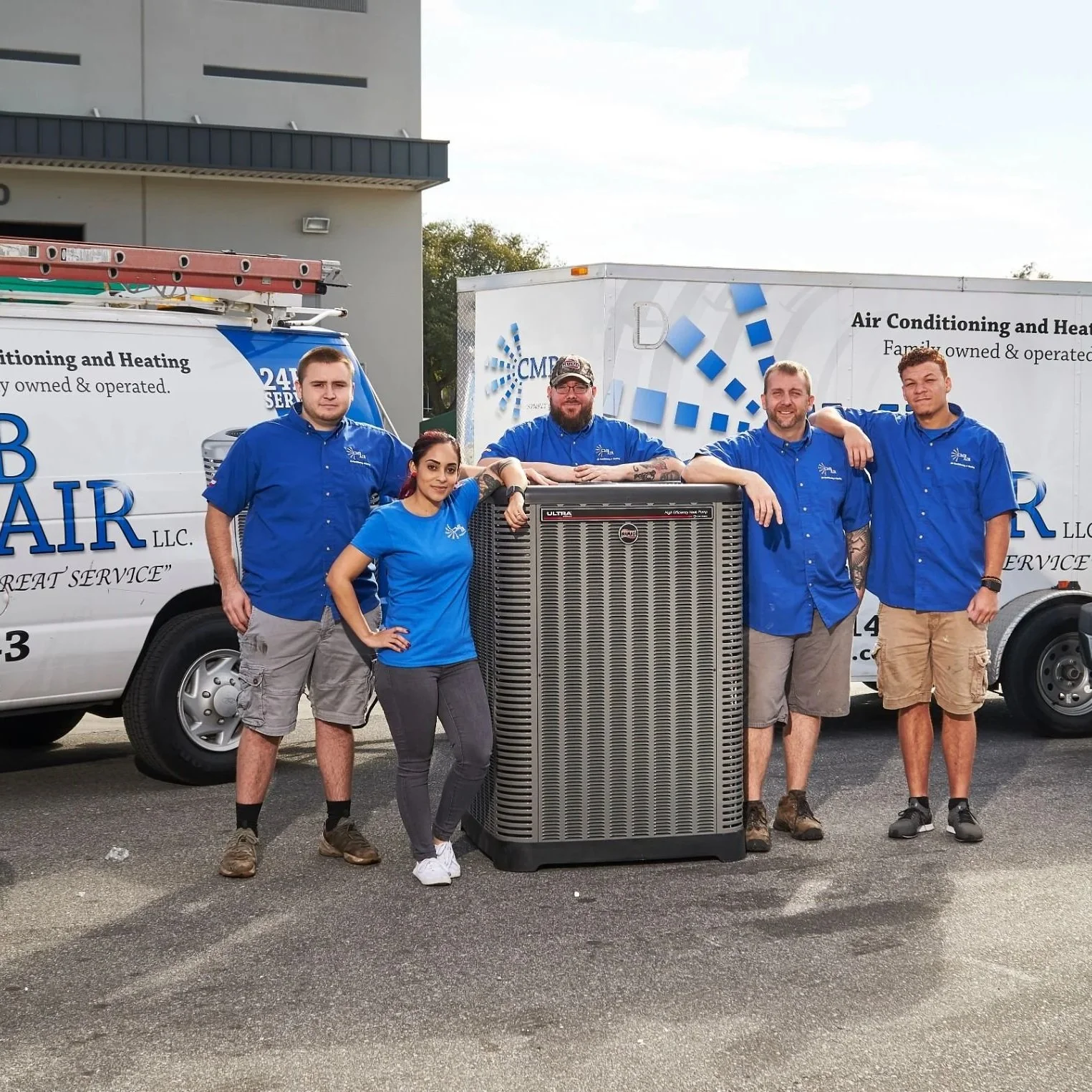
Potential Risks of DIY Duct Fogging in Tampa, FL
In Tampa’s high humidity, DIY fogging often fails because it treats the surface symptom while leaving the microbial root cause active beneath existing duct debris.