
How to Evaluate If You Need Professional Duct Fogging in Tampa, FL
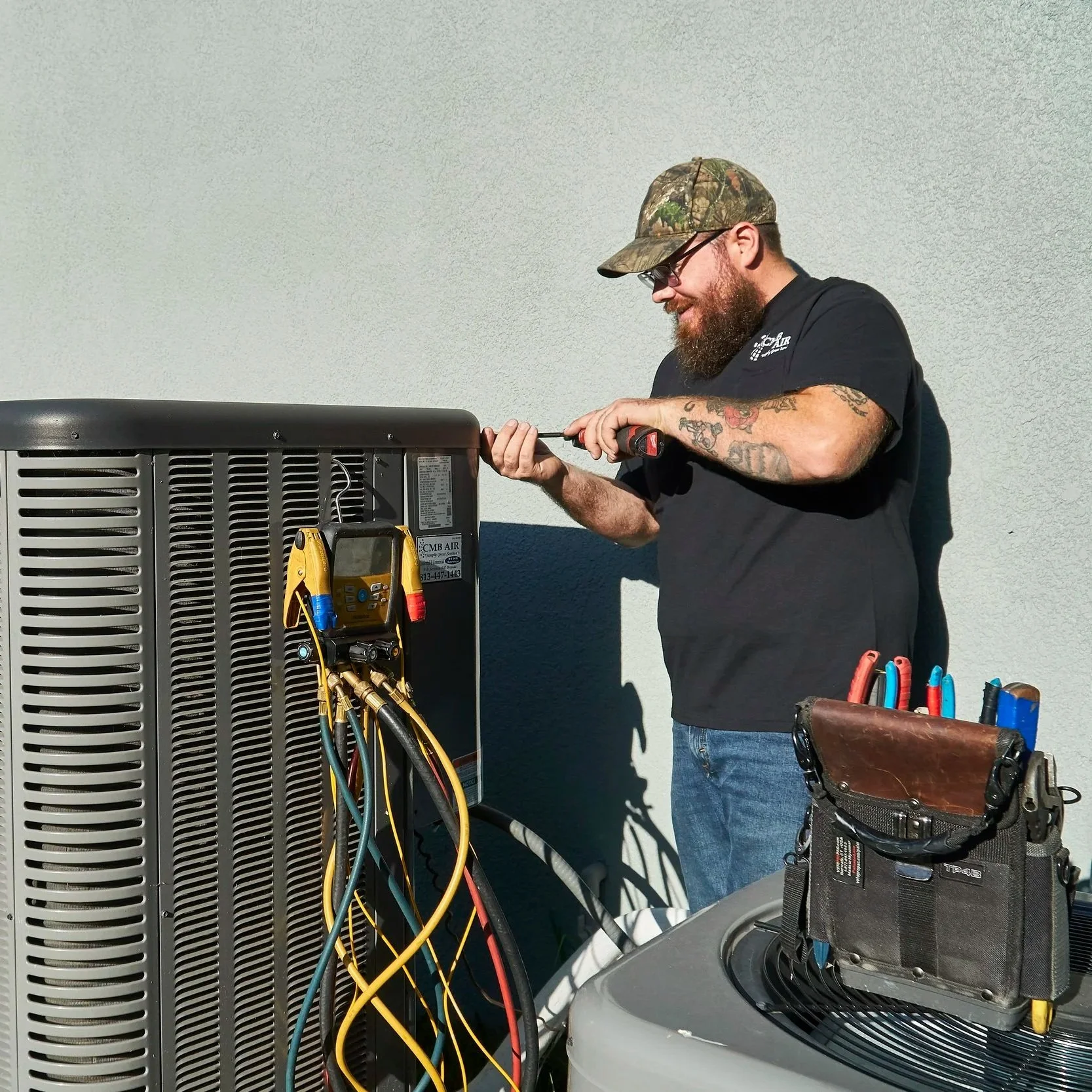
Evaluating duct odors and HVAC-related air quality issues helps Tampa homeowners determine when professional duct fogging is necessary.
Recognizing the Types of Odors That Point to Duct Contamination
Odors often provide the earliest and most reliable signal that something inside the duct system needs attention. In Tampa homes, musty, earthy, or stale smells often develop when moisture combines with organic material in the ductwork. These odors tend to intensify when the air conditioning system starts running after sitting idle, then fade slightly as fresh air circulates. That pattern suggests contamination inside the ducts rather than a temporary indoor air issue. Odors that linger throughout the day or spread unevenly from room to room often indicate deeper duct involvement rather than surface level sources such as carpets or furniture.
Understanding odor behavior over time matters more than identifying the smell itself. A brief odor after heavy rain or a power outage may not warrant professional fogging, while recurring smells that return despite cleaning, filter changes, and ventilation adjustments often do. Tampa’s humidity allows microbial activity to rebound quickly, so odors that disappear temporarily and then return unchanged usually reflect conditions that fogging may address. Evaluating frequency, intensity, and distribution of odors provides more useful guidance than relying on a single moment of discomfort.
Differentiating Between Duct Issues and General Indoor Air Problems
Not all air quality concerns originate inside the duct system, and distinguishing between duct-related and general indoor issues prevents unnecessary services. Tampa homes experience high pollen counts, outdoor humidity intrusion, and indoor activities that affect air quality independently of duct condition. Cooking odors, pet smells, or outdoor air infiltration often respond to ventilation changes rather than duct treatments. Professional duct fogging becomes more relevant when odors persist even after those variables change.
Patterns tied specifically to HVAC operation help clarify the source. Odors that appear only when the system runs, strengthen after long cooling cycles, or originate from supply vents point toward duct interiors rather than room-level causes. In contrast, odors that persist regardless of system use often stem from building materials or moisture issues elsewhere. Evaluating how air quality responds to HVAC operation helps homeowners avoid mistaking general indoor conditions for duct contamination.
Evaluating Moisture History and Humidity Control
Moisture history plays a central role in determining whether professional duct fogging makes sense. Tampa homes experience frequent condensation in duct systems due to temperature differences between the conditioned air and the attic. Homes with known drainage issues, slow-draining condensate lines, or past water intrusion are at higher risk of microbial growth in ducts. Fogging becomes more appropriate when moisture exposure has occurred repeatedly or for extended periods.
Humidity control also shapes long-term outcomes. Homes that rely solely on air conditioning for moisture removal often experience fluctuations that can encourage contamination even after treatment. Evaluating whether indoor humidity stays consistently controlled or spikes regularly helps determine whether fogging would last or fade quickly. Professional fogging works best when moisture sources are identified and stabilized, making humidity history an essential evaluation factor rather than an afterthought.
Assessing HVAC Maintenance and System Condition
The overall condition of the HVAC system influences whether fogging provides a meaningful benefit. Tampa homes with irregular maintenance histories often develop internal contamination faster than systems receiving consistent care. Dirty coils, clogged drain lines, and neglected filters contribute to conditions that allow microbial growth inside ducts. Fogging applied to poorly maintained systems may offer short-term improvement but fail to address contributing factors.
System age matters less than condition. Newer systems with installation flaws may experience contamination sooner than older systems that were installed and maintained carefully. Evaluating airflow balance, duct sealing, and insulation integrity provides insight into whether fogging supports long-term improvement or merely masks symptoms. Professional fogging tends to deliver better value when combined with corrective maintenance rather than applied in isolation.
Understanding How Quickly Symptoms Return After Basic Remedies
Homeowners often try simple remedies before considering professional duct fogging, such as replacing filters, cleaning vents, or adjusting thermostat settings. Observing how long improvements last after those steps offers valuable insight. In Tampa homes, symptoms that return within days or weeks despite basic interventions often indicate deeper contamination. Fogging becomes more relevant when simple measures repeatedly fail to produce lasting change.
The speed of recurrence matters as much as recurrence itself. Gradual return of odors over months may suggest environmental exposure rather than established duct contamination. Rapid return of strong odors typically reflects internal duct conditions that surface cleaning cannot reach. Evaluating response patterns prevents premature fogging while highlighting situations where professional intervention aligns with observed behavior.
Considering Duct Design and Accessibility
Duct design influences both contamination risk and treatment effectiveness. Tampa homes commonly feature long attic duct runs, flexible duct materials, and complex branching, which complicate cleaning and inspection. Systems with inaccessible sections may harbor contamination unnoticed for years. Professional fogging becomes more valuable in those cases because it reaches areas that mechanical tools cannot easily access.
Homes with simple, short duct runs or ducts located within conditioned space may experience fewer contamination issues overall. Evaluating duct layout, material type, and accessibility helps homeowners judge whether fogging addresses realistic system vulnerabilities. When contamination is likely beyond the reach of basic cleaning, fogging often becomes a practical option rather than an unnecessary expense.
Distinguishing Between One-Time Events and Ongoing Conditions
Not every contamination event requires professional fogging. Tampa homes sometimes experience short-term odors following unusual events such as prolonged power outages, severe storms, or temporary moisture exposure. In those cases, drying, ventilation, and basic cleaning may resolve symptoms fully. Fogging becomes more appropriate when conditions persist long after the triggering event has passed.
Evaluating whether symptoms reflect a one-time disruption or an ongoing pattern helps homeowners avoid overreacting. Odors that evolve, spread, or intensify over time usually signal ongoing conditions rather than residual effects. Professional fogging aligns better with persistent patterns that resist normal recovery rather than isolated incidents that resolve naturally.
Evaluating Occupant Sensitivity and Comfort Thresholds
Household sensitivity influences how strongly duct contamination affects comfort. Tampa residents with allergies, asthma, or heightened odor sensitivity may notice issues sooner than others. That awareness does not automatically indicate severe contamination, but it does shape how aggressively issues need addressing. Fogging may provide meaningful relief even when contamination levels appear moderate by technical standards.
Balancing sensitivity with system realities prevents unnecessary services while respecting comfort needs. Evaluating how symptoms affect daily living, sleep quality, and overall comfort helps determine whether professional fogging represents a reasonable next step. Comfort thresholds vary, and recognizing that variation supports more personalized decision-making rather than one-size-fits-all recommendations.
Identifying When Professional Inspection Becomes the Logical Next Step
Certain signs indicate that a professional evaluation is more valuable than continued observation or DIY attempts. Persistent odors that survive filter changes, vent cleaning, and humidity adjustments often indicate contamination deeper inside the duct system. In Tampa homes, contamination frequently develops in long attic runs, flexible duct liners, or areas where condensation repeatedly forms. Professional inspection tools such as cameras, airflow testing, and moisture assessment provide visibility into areas homeowners cannot access. When symptoms persist without a clear explanation, inspection shifts the conversation from guessing to diagnosing.
A professional inspection also clarifies whether fogging is the appropriate solution or whether other services deserve priority. Sometimes, inspection reveals duct leaks that draw humid attic air into the system, insulation breakdown allowing condensation to form, or drainage issues that feed microbial growth near the air handler. Fogging alone cannot correct those conditions. Knowing what inspection reveals helps homeowners avoid investing in fogging prematurely or using it where structural correction would deliver better long-term results.
Understanding What Professional Fogging Evaluation Typically Includes
Professional evaluation for duct fogging extends beyond odor confirmation. Technicians assess how air moves through the system, where moisture collects, and which materials are present inside the ducts. In Tampa homes, evaluations often include reviewing condensate drainage performance, checking the condition of insulation around ductwork, and examining return air pathways for leakage. That broader view helps determine whether fogging can remain effective or whether environmental conditions will overpower treatment quickly.
Evaluation also considers application feasibility. Some duct systems support even distribution of fogging treatments, while others contain restrictions or design features that limit effectiveness. Knowing those limitations upfront prevents unrealistic expectations. Professional recommendations often include sequencing fogging alongside cleaning, sealing, or drainage service to improve outcomes. Evaluation transforms fogging from a standalone idea into part of a coordinated approach.
Weighing Cost Versus Longevity of Results
Cost evaluation works best when paired with longevity expectations rather than viewed in isolation. Professional duct fogging costs more upfront than consumer products, but results often last longer when applied under controlled conditions. In Tampa’s climate, that longevity difference matters. A single professional treatment that remains effective for years may offer better value than repeated DIY applications that fade within months.
Evaluating cost also involves considering avoided expenses. Fogging, applied after proper evaluation, may reduce the frequency of odor complaints, filter changes, or emergency service calls related to discomfort. Homeowners who focus solely on the initial price sometimes overlook the cumulative costs of repeated short-term fixes. Assessing value through durability and system improvement offers a more accurate comparison.
Timing Fogging Around Maintenance and Seasonal Factors
Timing influences how effective professional fogging becomes. In Tampa, fogging scheduled after resolving moisture issues and before peak humidity periods often lasts longer. Coordinating fogging with routine maintenance, such as coil cleaning, drain line service, or duct inspection, improves conditions for treatment success. Fogging applied to clean, dry surfaces performs differently from fogging introduced into systems already under stress.
Seasonal considerations also matter. During periods of continuous cooling demand, fogging may experience greater airflow exposure, which shortens contact time. Milder seasons allow treatments to settle more thoroughly before constant operation resumes. Evaluating timing alongside system condition improves results without increasing frequency.
Recognizing When Fogging Alone Will Not Solve the Problem
A professional evaluation may conclude that fogging alone will not resolve the issue at hand. Tampa homes with chronic moisture intrusion, extensive duct deterioration, or insulation saturation may require corrective work before fogging makes sense. In those cases, fogging without repair may offer brief relief but fails to address the driving forces behind contamination.
Recognizing that outcome prevents frustration. Professional guidance helps homeowners understand when fogging supports recovery and when it delays meaningful improvement. Fogging performs best as part of a solution, not as a substitute for system correction. Evaluation clarifies where fogging fits within the broader picture.
Using Professional Insight to Set Realistic Expectations
Professional input helps align expectations with system realities. Homeowners gain clarity on how long results may last, what changes to expect, and which behaviors support improvement. In Tampa homes, understanding humidity dynamics and airflow patterns empowers better daily decisions that protect fogging results. That education often proves as valuable as the treatment itself.
Setting realistic expectations also reduces the likelihood of repeated services driven by disappointment rather than need. Knowing what fogging can and cannot accomplish supports satisfaction and informed planning. Professional evaluation transforms uncertainty into informed choice rather than reactive decision-making.
FAQs
Odors associated with duct contamination often appear when the HVAC system runs and seem to come from the supply vents. Smells that persist regardless of system operation usually point to other indoor sources.
Fogging can still reduce microbial activity, but results last longer when ducts are cleaned first. Debris in ducts interferes with surface treatment and reduces its effectiveness.
Comfortable temperature does not rule out duct contamination. Odors, humidity history, and maintenance patterns provide better indicators than comfort alone.
Longevity varies, but properly applied fogging often lasts several years when moisture and airflow issues remain controlled.
Review recent maintenance history, note odor patterns, and address obvious moisture issues. Professional evaluation works best when paired with clear observations rather than assumptions.
