
What to Expect on Installation Day: AC Installation in Tampa
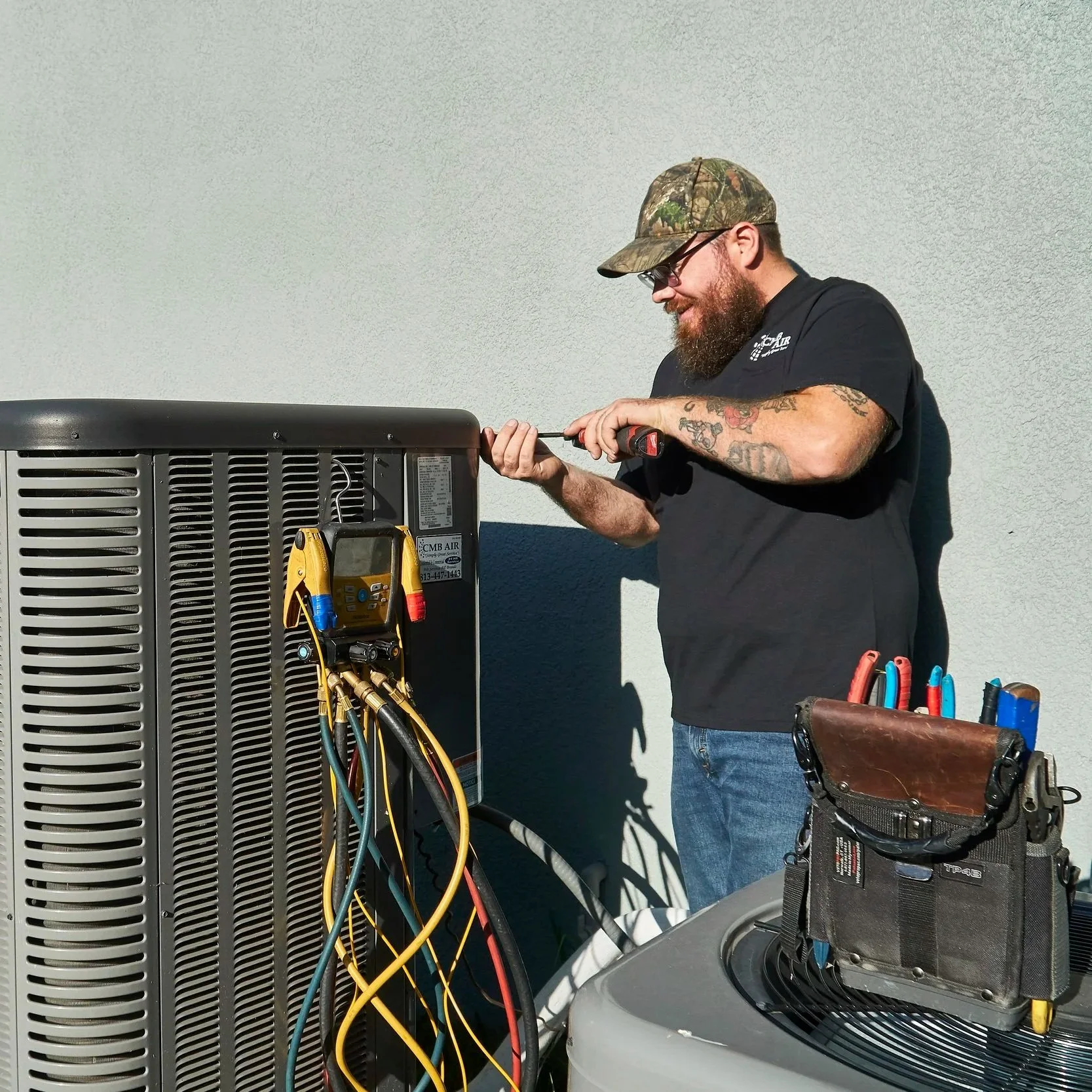
Professional HVAC technicians prepare and install a new air conditioning system in a Tampa home with safe, efficient procedures.
Preparing the Home Before the Crew Arrives
Installation day starts well before any equipment comes off the truck, and homeowners in Tampa often underestimate the amount of groundwork that goes into it. A professional AC installation begins by confirming access points, electrical readiness, and the condition of the existing system inside the home. In many Tampa houses, air handlers are located in garages, closets, or attics, each requiring different preparation. Clearing space around the unit location matters more than most people expect, not for convenience, but for safety, airflow, and code compliance during the install. Technicians need room to maneuver equipment, set ladders, and work around refrigerant lines and duct connections without cutting corners.
Local conditions also shape preparation in ways homeowners rarely consider. Tampa’s heat, humidity, and frequent afternoon storms affect scheduling, attic temperatures, and moisture control. Crews typically arrive early to avoid peak heat exposure, especially for attic-based installations where temperatures can climb quickly. Power shutdowns are coordinated to minimize disruption while still allowing safe electrical tie-ins. Homeowners often notice a steady rhythm to these early steps, not rushed but deliberate, as installers verify measurements, confirm equipment staging, and align the installation plan with the home’s layout rather than forcing a generic approach onto a very specific structure.
Removing the Old Air Conditioning System
System removal often surprises homeowners because it involves more than disconnecting a box and hauling it away. Older AC systems in Tampa homes may include outdated refrigerants, oversized air handlers, or duct transitions that no longer meet current standards. Technicians carefully recover refrigerant according to environmental regulations, disconnect electrical components, and separate the condenser from the indoor unit in a controlled sequence. Each step protects the home, the crew, and the surrounding environment, especially in neighborhoods where outdoor units sit close to property lines or landscaped areas.
Indoor removal brings its own challenges. Closet installations require careful handling to avoid wall damage, while attic systems demand safe removal through limited access points. In many Tampa homes, previous installations involved custom-built platforms or framing that must be adjusted or removed entirely. These details explain why removal takes time and why reputable installers never rush it. Problems ignored during removal often resurface later as airflow issues, vibration noise, or shortened equipment life, which is why experienced crews treat removal as a critical phase rather than a quick preliminary step.
Setting and Securing the New Outdoor Unit
Once the old equipment is cleared, attention shifts to positioning the new outdoor condenser. In Tampa, ground conditions, drainage patterns, and storm exposure all influence where and how the unit is set. Installers verify that the pad is level, elevated appropriately above grade, and positioned to allow adequate airflow and service clearance. Coastal humidity and heavy rains make elevation especially important, as standing water around a condenser can accelerate corrosion and electrical issues over time.
Securing the unit involves more than anchoring it in place. Technicians account for vibration control, line set routing, and proximity to walls or fencing. In neighborhoods with strict HOA guidelines or tight lot spacing, placement must balance performance with visual and regulatory concerns. These decisions affect long-term efficiency and serviceability, even though homeowners may only notice that the unit looks cleaner or quieter than before. Behind that appearance is a careful alignment of airflow, accessibility, and durability tailored to Tampa’s climate conditions.
Installing the Indoor Air Handler or Furnace Component
Indoor installation varies widely depending on the home’s design, but the principles remain consistent. The air handler must sit level, connect seamlessly to the existing duct system, and integrate with electrical and condensate drainage components. In Tampa homes, condensate management receives special attention due to high humidity and extended cooling seasons. Improper drainage can lead to water damage, microbial growth, or float-switch-triggered system shutdowns.
Technicians often make duct transitions during this phase, adjusting plenums or sealing poorly executed connections from previous installs. These improvements may not align with the homeowner’s original expectations, but they directly affect airflow balance and system efficiency. Electrical connections are sized and secured to meet the new unit’s requirements, which often differ from those of older systems. These adjustments help the system operate within design parameters rather than merely functioning at a basic level, which matters greatly during Tampa’s long, demanding cooling season.
Refrigerant Line and Electrical Integration
Connecting the refrigerant lines and electrical components marks a turning point, as the system begins to take shape as a complete unit. Line sets are inspected, cleaned, or replaced depending on their condition and compatibility with the new equipment. In Tampa, homes with older systems often require line replacement due to sizing mismatches or internal contamination. Proper insulation of these lines plays a major role in efficiency and moisture control, especially in humid environments.
Electrical integration involves more than flipping breakers back on. Installers verify grounding, breaker sizing, disconnect placement, and control wiring between the thermostat and system components. Communication errors at this stage can cause intermittent operation, error codes, or reduced performance that only appears under heavy load. Taking time to test and confirm these connections helps the system respond correctly during peak afternoon heat when Tampa residents rely on their AC the most.
Thermostat Setup and System Communication
Modern AC installations often include upgrading or reconfiguring the thermostat, which serves as the system’s command center. Smart thermostats and variable-speed systems require precise programming to match the home’s cooling patterns and occupancy habits. Installers configure staging, fan behavior, and temperature differentials based on both manufacturer guidelines and local climate realities.
Homeowners sometimes expect a brief explanation and a quick handoff, but proper setup takes time. Technicians verify communication between indoor and outdoor units, confirm sensor accuracy, and adjust settings to prevent short cycling or excessive runtime. These adjustments influence comfort, humidity control, and energy usage throughout the year. A well-configured thermostat allows the system to adapt smoothly to Tampa’s fluctuating weather rather than reacting aggressively to every temperature change.
Initial Startup and Performance Verification
Startup marks the moment when the system transitions from installation to operation, but it remains a diagnostic phase rather than a finish line. Technicians monitor refrigerant pressures, airflow readings, temperature splits, and electrical draw to confirm that the system operates within specified ranges. In Tampa, humidity removal is a key performance indicator, so installers pay close attention to condensate flow and coil behavior during initial operation.
Adjustments made during startup often prevent issues that would otherwise appear weeks later. Small airflow corrections, refrigerant fine-tuning, or control adjustments help the system settle into stable operation. These steps explain why reputable installations rarely feel rushed, even after the equipment is physically in place. The goal is consistent performance across Tampa’s extended cooling season, not just cold air on day one.
System Calibration for Tampa’s Climate Demands
After initial startup confirms safe operation, professional AC installation in Tampa moves into a calibration phase that directly affects daily comfort and long-term performance. Calibration focuses on airflow balance, refrigerant behavior, and cycling patterns under real operating conditions rather than ideal assumptions. Tampa’s humidity places heavy demand on moisture removal, so airflow across the evaporator coil is adjusted to support both temperature control and dehumidification without overworking the system. These settings influence how the home feels during long afternoons when the AC runs continuously.
Installers also observe how the system responds to solar heat gain, insulation variability, and room layout. Many Tampa homes include enclosed patios, additions, or mixed-use spaces that affect cooling loads unevenly. Addressing these factors during installation day helps prevent persistent comfort complaints that surface weeks later. Calibration transforms new equipment into a system tuned for the home’s actual conditions rather than operating at generic factory defaults.
Condensate Drainage and Moisture Management
Moisture management remains a critical focus during AC installation in Tampa, given consistently high humidity. Air conditioners generate significant condensate throughout the cooling season, and drainage issues often lead to shutdowns or water damage if left unaddressed. Installers verify proper drain slope, clear pathways, and functioning safety switches that stop operation if an overflow occurs. These safeguards protect both the system and the surrounding building materials.
Older homes may have brittle drain lines or outdated routing methods that increase the risk of clogs. During installation, technicians may replace sections, add cleanouts, or improve access for future maintenance. Drain pan condition is carefully inspected, especially for attic installations where leaks can remain hidden. Effective condensate management supports reliable operation and reduces moisture-related service calls common in Tampa homes.
Duct Connection Integrity and Airflow Distribution
Integrating a new AC system with existing ductwork requires evaluation rather than assumption. Installers assess connection points for leakage, restrictions, or poor transitions that limit airflow. Tampa homes often reflect decades of renovations, leaving duct systems mismatched to current layouts. Sealing and reinforcing these connections improves airflow consistency and reduces energy loss during peak cooling months.
Uneven room temperatures often stem from duct issues rather than equipment performance. Addressing connection-level problems on installation day allows the system to operate closer to its design intent rather than compensating with longer runtimes. While full duct redesign may fall outside the installation scope, correcting integration issues provides immediate comfort benefits.
Noise Control and Vibration Management
Quiet operation depends heavily on installation quality. Installers manage vibration at mounting points, refrigerant lines, and duct connections to reduce noise transmission. Outdoor condenser placement considers proximity to living spaces and neighboring properties, which matters in dense Tampa neighborhoods. Proper leveling and isolation limit vibration that could otherwise amplify through walls or slabs.
Indoors, airflow velocity and mounting stability influence sound levels. Whistling vents or rattling panels usually stem from installation details rather than equipment defects. Addressing these factors during installation day allows the system to operate quietly without drawing attention during normal use.
Homeowner Walkthrough and Operational Guidance
Before concluding the installation, technicians walk homeowners through system operation, focusing on practical use. Thermostat settings, filter replacement, and expected operating behavior are explained in plain terms. In Tampa’s climate, understanding runtime patterns and humidity control helps homeowners recognize normal operation versus early warning signs.
Seasonal guidance may include filter change frequency during heavy pollen periods or expectations during heat waves. These conversations help align expectations and reduce unnecessary service calls. Installation day serves as the starting point for informed ownership rather than a simple equipment handoff.
Post Installation Site Cleanup and Final Checks
Cleanup serves aesthetic and quality-control purposes. Technicians remove packaging, secure panels, and verify that components remain properly fastened after testing. Outdoor areas are restored, and indoor spaces are left clean and accessible. These steps prevent debris from interfering with operation and reflect professional standards.
Final checks confirm electrical covers, refrigerant caps, and service clearances. Permit documentation and inspection requirements are reviewed as applicable in Tampa. These details support long-term compliance, resale considerations, and system safety beyond installation day.
FAQs
Most installations take most or all of one workday. System type, attic access, duct condition, and electrical upgrades can extend the timeline. Longer installation times usually reflect careful setup rather than delays.
Cooling is temporarily interrupted, but installers plan work to minimize downtime. In many cases, cooling is restored before the end of the day, even if adjustments continue afterward.
Being available helps with access and communication, especially for walkthroughs or thermostat questions. Constant supervision is not required, but availability supports a smoother process.
Permits are typically required. Reputable contractors handle permitting and inspections to confirm compliance with local mechanical and electrical codes.
The system can be used immediately after installation. Installers may suggest moderate settings on the first day while observing performance, but normal operation begins right away.
