Common Mistakes to Avoid During AC Installation in Tampa, FL
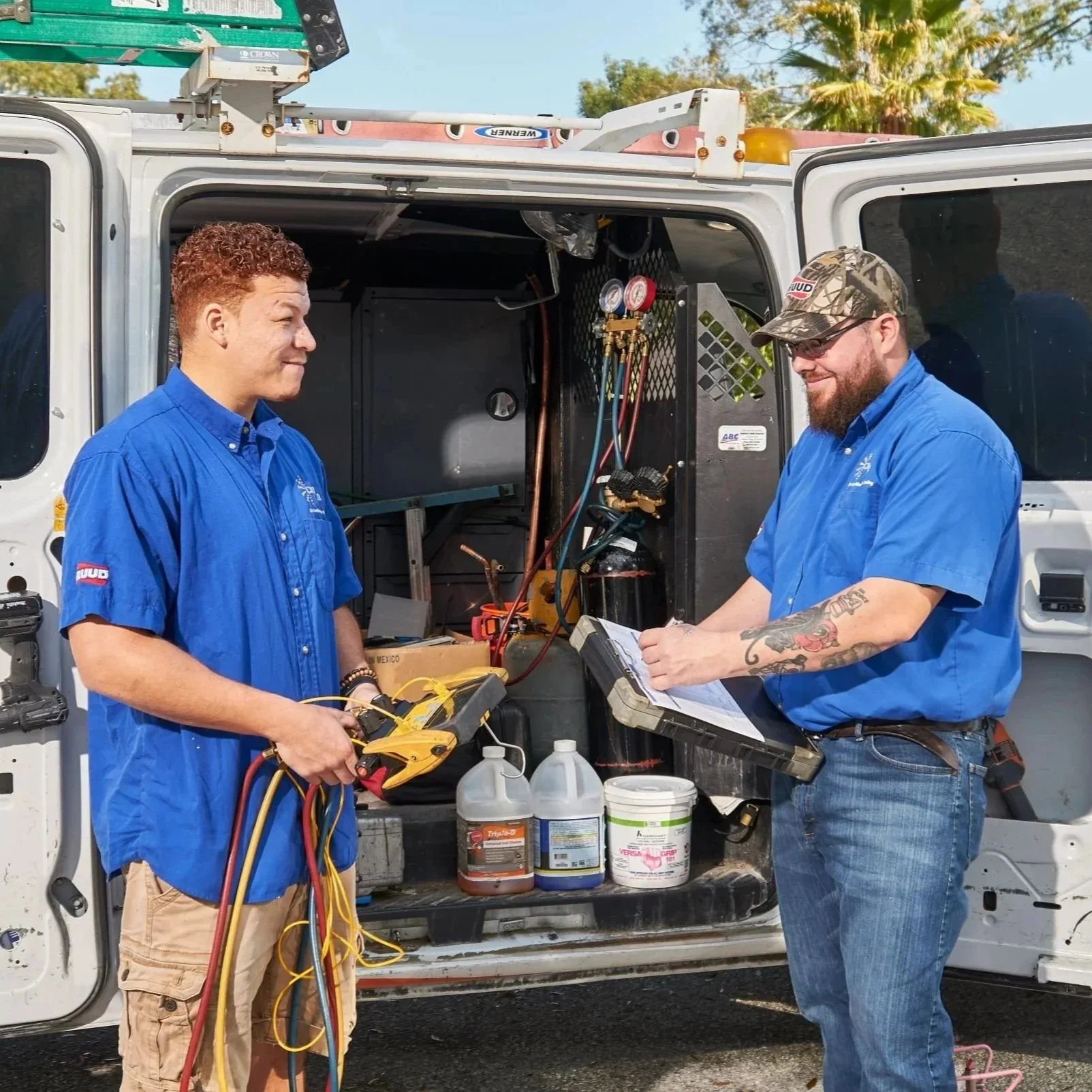
AC technician installing a new air conditioning unit in a Tampa home, ensuring proper sizing, airflow, and humidity control.
Underestimating How Much Tampa’s Climate Affects System Design
One of the most common mistakes during AC installation in Tampa involves treating the project like a standard equipment swap rather than a climate-driven system design decision. Tampa’s humidity, long cooling seasons, and frequent heat spikes place very different demands on air conditioning systems than homes in drier or cooler regions. Installations that focus only on square footage or previous system size often miss how moisture removal and airflow stability affect comfort and performance. When installers or homeowners overlook those factors, the system may cool the air but struggle to manage humidity, leading to clammy indoor conditions and inconsistent comfort.
Climate blind installations also tend to shorten equipment lifespan. Systems that run too frequently or fail to remove moisture properly experience higher wear on compressors, coils, and electrical components. In Tampa homes, an AC system needs to handle latent heat as effectively as sensible heat. Failing to account for that balance during installation often results in premature service issues that homeowners mistakenly attribute to product quality rather than design oversight. Recognizing climate impact from the start helps prevent a chain of avoidable performance problems.
Skipping a Proper Load Calculation
Another major mistake involves skipping or rushing the load calculation process. Many installations rely on rule of thumb sizing or match the capacity of the old system without evaluating whether conditions have changed. In Tampa, even small changes such as new windows, added insulation, or remodeled spaces alter cooling and humidity demands significantly. Installing a system without recalculating load risks, oversizing, or undersizing, both of which create comfort and efficiency problems.
Oversized systems cool spaces too quickly, reducing run time and limiting moisture removal. That pattern leaves indoor air feeling damp despite cool temperatures. Undersized systems struggle to maintain comfort during peak heat, running continuously and increasing energy use. Proper load calculations account for square footage, insulation, window orientation, occupancy patterns, and climate factors. Skipping this step often leads to ongoing dissatisfaction that could have been avoided with a more deliberate approach.
Ignoring Ductwork Condition and Compatibility
Ductwork issues remain one of the most overlooked aspects of AC installation mistakes. In Tampa homes, ducts frequently suffer from leakage, poor insulation, or outdated layouts that no longer support modern system performance. Installing new equipment onto compromised ductwork reduces airflow, lowers efficiency, and disrupts humidity control. Many homeowners assume ducts function adequately because the old system operated, without realizing how much performance was lost along the way.
Compatibility matters as much as condition. New systems often move air differently than older models, making existing duct sizing or layout unsuitable. Inadequate return air, crushed flexible ducts, or disconnected joints create pressure imbalances that force systems to work harder. Ignoring duct evaluation during installation locks in those inefficiencies. Addressing duct issues alongside installation supports balanced airflow and protects the investment in new equipment.
Overlooking Electrical Readiness and Panel Capacity
Electrical readiness represents another frequent oversight during AC installation. Tampa homes vary widely in electrical infrastructure age and capacity. Older panels may support basic loads but struggle with modern AC systems that require dedicated circuits or updated breakers. Proceeding with installation without verifying electrical compatibility often leads to last-minute delays or post-installation safety concerns.
Loose connections, undersized wiring, or crowded panels introduce risk and complicate startup. Electrical issues also contribute to nuisance breaker trips or voltage fluctuations that damage equipment over time. Evaluating electrical readiness before installation allows corrections to occur in a controlled manner rather than during critical installation windows. Homeowners who address electrical capacity early experience smoother installations and more reliable system operation.
Poor Condensate Drainage Planning
Condensate drainage problems cause a disproportionate share of post-installation complaints in Tampa homes. High humidity produces significant moisture that must be consistently removed from the system. A common mistake involves reusing old drain lines without evaluating slope, routing, or blockage risk. New systems often remove more moisture than older units, overwhelming drains that previously seemed adequate.
Improper drainage leads to water backups, overflow shutoffs, and microbial growth around air handlers. Drain lines routed incorrectly or lacking proper termination create ongoing maintenance headaches. Drainage installation mistakes often go unnoticed immediately, which can be frustrating for homeowners. Carefully planning drainage during installation prevents water damage and supports reliable operation in Tampa’s moisture-heavy environment.
Neglecting Airflow Balance and Return Placement
Airflow balance mistakes frequently undermine AC installations without being immediately obvious. Many Tampa homes have undersized or poorly placed return vents that restrict airflow. Installing a new system without correcting airflow imbalances forces the equipment to compensate by running longer and causing uneven cooling. Rooms may feel warmer, more humid, or stagnant despite adequate system capacity.
Return placement influences pressure balance throughout the home. Restricted returns cause negative pressure that pulls humid outdoor air into the structure through small leaks. That infiltration increases moisture load and reduces comfort. Ignoring airflow balance during installation locks in these problems. Addressing return sizing and placement allows new systems to distribute air evenly and maintain stable indoor conditions.
Choosing Equipment Based on Price Alone
Price-driven equipment selection remains a common mistake that affects long-term satisfaction. While budget considerations matter, focusing solely on upfront cost often leads homeowners to choose systems that lack features suited to Tampa’s climate. Lower-tier equipment may cool effectively but struggle with humidity control and airflow modulation, leading to higher energy use and comfort issues.
Installation quality matters more than brand alone, but equipment capability still plays a role. Systems designed with variable speed components or enhanced moisture management often perform better in Florida conditions. Selecting equipment without considering its interaction with the local climate leads to compromises that become apparent only after installation. Balancing cost with performance needs produces better outcomes than chasing the lowest price.
Failing to Communicate Comfort Issues and Expectations Up Front
Communication gaps between homeowners and installers often lead to avoidable installation mistakes. Many Tampa homeowners live with uneven cooling, excess humidity, or noisy operation for years and assume those issues are normal. When those details never get shared before installation, the new system may be configured without addressing the very problems the homeowner hoped to fix. Installers rely on accurate information about how the home behaves under real conditions, not just what looks correct on paper.
Comfort expectations also matter. Some homeowners prioritize humidity control, others focus on consistent temperatures, and others focus on noise reduction. Without that context, installers may default to standard configurations that miss the mark. Clear communication about problem rooms, daily schedules, and past system frustrations allows adjustments during installation rather than after. Homes where expectations are discussed openly tend to experience fewer callbacks and better long-term satisfaction.
Overlooking Thermostat Placement and Control Setup
Thermostat-related mistakes quietly undermine many AC installations in Tampa homes. Existing thermostat locations often reflect outdated layouts or convenience rather than airflow accuracy. Installing a new system without reconsidering thermostat placement can cause short cycling, poor humidity control, or uneven temperatures. Locations near windows, kitchens, or return vents distort readings and confuse system response.
Control setup also matters. Modern systems often support advanced settings that influence how they manage moisture and airflow. Leaving factory default settings untouched may not suit Tampa’s climate or the home’s layout. Failing to adjust control logic prevents the system from operating as intended. Thoughtful thermostat placement and configuration allow new equipment to respond accurately to real living conditions rather than outdated assumptions.
Rushing Installation Day Preparation
Installation day mistakes often stem from inadequate preparation rather than technical failure. Cluttered work areas, blocked access points, or unprepared electrical panels slow progress and increase stress. In Tampa homes, air handlers located in closets, garages, or attics frequently require clearing that gets overlooked until technicians arrive.
Outdoor preparation matters as well. Condenser placement areas need clear access for removal and installation. Landscaping, fencing, or stored items can complicate equipment movement. Rushing these preparations leads to delays or rushed decisions that affect installation quality. Homes that prepare thoroughly allow technicians to focus on precision rather than problem-solving under pressure.
Ignoring Attic and Insulation Conditions
Attic conditions strongly influence AC performance, yet they are commonly ignored during installation planning. In Tampa homes, inadequate insulation or extreme attic heat undermines even the best equipment. Installing a new system without addressing attic deficiencies forces the equipment to compensate for the heat gain and moisture load that the building envelope should have managed.
Access limitations also create challenges. Tight attic entries or unsafe conditions slow installation and increase labor strain. Evaluating attic readiness ahead of time helps prevent compromises during installation. Homes with stable attic environments allow AC systems to operate closer to design specifications, improving efficiency and durability.
Misinterpreting Initial System Behavior After Installation
Post-installation misunderstandings create unnecessary concern and service calls. New AC systems often behave differently from older units, especially in Tampa, where humidity control plays a large role. Longer run times indicate improved moisture removal rather than inefficiency. Modern compressors and fans also produce different sound profiles that homeowners may mistake for problems.
Failing to understand these changes leads some homeowners to adjust thermostat settings excessively or cycle the system improperly. That behavior disrupts performance and undermines installation quality. A clear understanding of normal startup behavior supports smoother adjustment and protects system operation during the critical early period.
Skipping Early Performance Monitoring
Another common mistake involves neglecting the first few weeks after installation. Tampa’s climate reveals system issues quickly when drainage, airflow, or control settings are not quite right. Homeowners who monitor condensate drainage, airflow consistency, and humidity levels early can address small adjustments before they escalate.
Ignoring this monitoring period often allows minor issues to persist until they become larger service concerns. Paying attention to performance during initial operation supports long-term reliability. New systems benefit from observation just as much as installation precision.
FAQs
Humidity issues often result from improper sizing, short run times, or airflow imbalance. Tampa’s climate requires systems designed and configured specifically for moisture removal.
Matching size without recalculating the load can cause problems. Changes to insulation, windows, or layout often alter cooling needs over time.
Poor duct condition limits airflow and efficiency, reducing comfort and increasing system strain. Evaluating ducts during installation protects performance.
Longer run times often indicate better humidity control and more stable temperatures. Modern systems operate differently from older equipment.
Homeowners should observe airflow, listen for unusual sounds, check drainage, and note comfort changes during the first few weeks to support early adjustments.
