
What Factors Affect the Cost of AC Installation in Tampa?
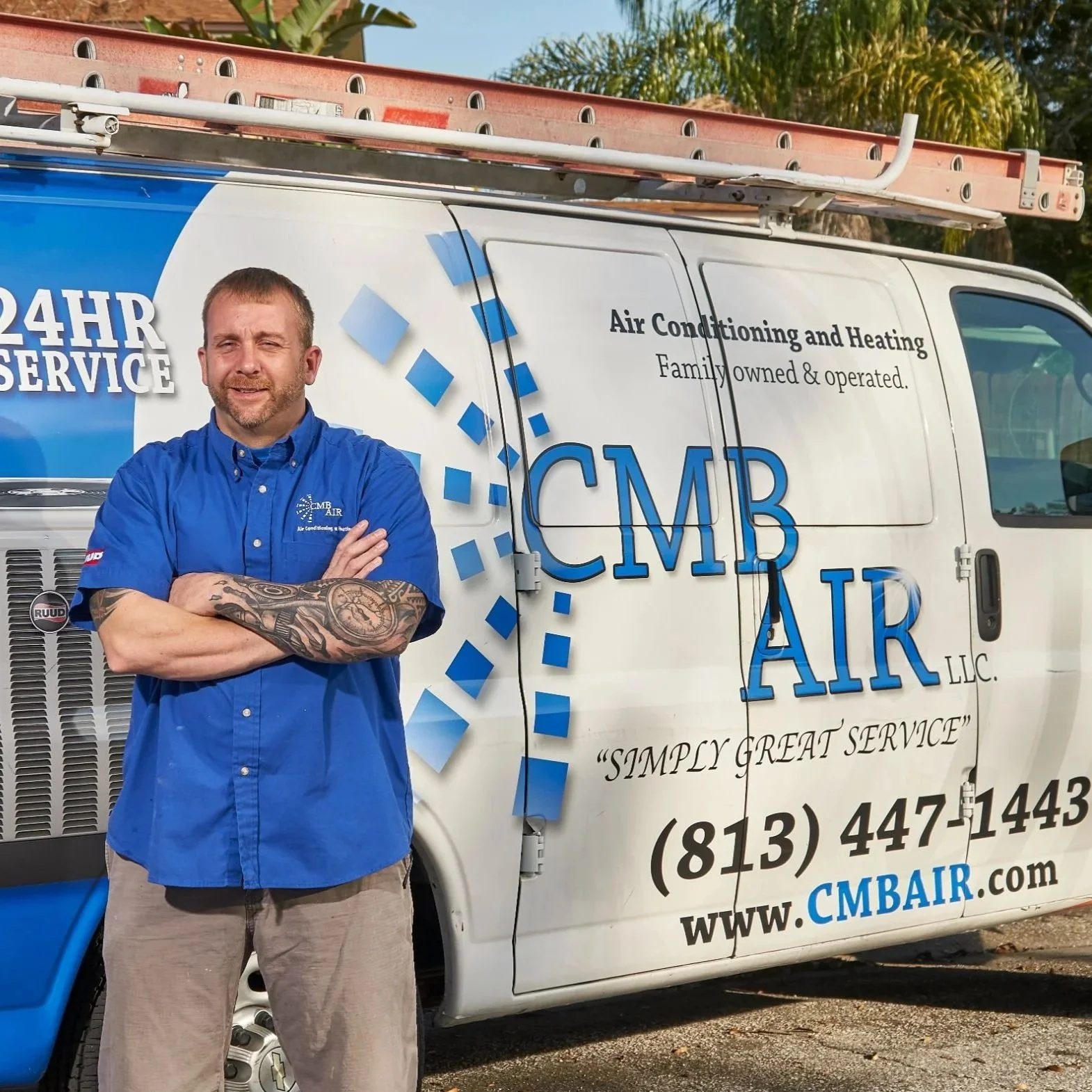
AC installation in Tampa requires careful planning for humidity control, proper drainage, and long-term system performance.
Local Climate Demands And Why Tampa Installs Are Different
Air conditioning installation in Tampa, Florida, starts from a very different baseline than cooler or drier regions. Heat remains a given, but humidity drives most of the long-term cost decisions. Systems here do not cycle occasionally. They operate daily for much of the year, often for extended stretches without meaningful breaks. That reality shapes everything from equipment selection to installation methods and labor time. An installation that might seem straightforward elsewhere requires additional planning in Tampa to handle moisture removal, airflow balance, and long runtime expectations.
Installers must size and configure systems to handle latent heat as aggressively as sensible heat. That often leads to higher-capacity components, enhanced drainage planning, and tighter installation tolerances. Condensate management alone adds cost in Tampa installations. Drain lines need proper slope, secondary protection, and placement that avoids moisture damage over time. Ignoring those details leads to callbacks, water damage, and system performance issues that surface months later rather than immediately.
Climate also affects material choices. Outdoor units face relentless sun, heavy rain, and, in some areas, salt air exposure. Installations that fail to account for these conditions often require premature repairs or replacements. Tampa installations cost more because they must survive harsher operating conditions while delivering consistent comfort, not because contractors arbitrarily raise prices.
System Type And Equipment Selection
The type of air conditioning system selected influences installation cost more than any single factor. Central air systems, ductless systems, heat pumps, and hybrid setups each require different equipment, labor, and design considerations. In Tampa, system selection often leans toward solutions that manage humidity effectively rather than those that simply cool air quickly. That preference affects equipment pricing and installation complexity.
Central air systems typically involve outdoor condensers, indoor air handlers, refrigerant lines, electrical upgrades, and duct connections. Costs rise when systems include variable-speed components or enhanced humidity control features. Ductless systems shift cost from ductwork to multiple indoor units and additional refrigerant line runs. Each indoor unit adds labor, materials, and electrical work, increasing the total installation cost even when the home footprint remains modest.
Equipment efficiency levels also matter. Higher efficiency systems often cost more upfront due to advanced compressors, controls, and fan motors. In Tampa’s long cooling season, many homeowners choose higher efficiency options for operating cost savings, even though initial installation costs increase. The decision reflects long-term ownership priorities rather than short-term budgeting alone.
Home Size, Layout, And Structural Complexity
Square footage influences AC installation cost, but layout and structure often matter more in Tampa homes. Open floor plans, vaulted ceilings, multi-story designs, and additions complicate airflow and equipment placement. Larger homes require higher-capacity systems, but complex layouts require more detailed design and installation to distribute air evenly and manage humidity consistently.
Older Tampa homes often present additional challenges. Limited mechanical space, tight attics, and outdated electrical systems increase labor time and material needs. Routing refrigerant lines or ductwork through existing structures requires careful planning to avoid damage and maintain system performance. Installers may need to modify framing, reinforce mounting surfaces, or add access points, all of which increase installation costs.
Even smaller homes can drive higher costs when layouts restrict airflow or equipment placement. Narrow hallways, enclosed rooms, and converted spaces demand customized solutions rather than standard installs. In Tampa, cost reflects how much effort it takes to integrate a system cleanly into the home rather than simply the home's size on paper.
Ductwork Condition And Modification Requirements
Ductwork plays a major role in the AC installation cost for Tampa homes with existing systems. Replacing equipment without addressing duct condition often leads to performance issues, so many installations include duct repairs or modifications. Leaky ducts, undersized runs, and poor insulation increase effective cooling load and strain new systems. Correcting those issues adds labor and materials but improves long-term comfort and efficiency.
Homes with damaged or poorly designed duct systems may require partial or full replacement. That process involves removing old ductwork, installing new insulated runs, sealing connections, and balancing airflow. Attic conditions in Tampa make this work physically demanding and time-consuming, which influences labor costs. Flexible duct material prices fluctuate as well, adding variability to installation estimates.
Even minor duct modifications affect cost. Adding returns, resizing branches, or improving insulation requires skilled labor and careful testing. Tampa installations often uncover duct issues that were masked by oversized or overworked systems. Addressing those issues during installation prevents future problems but increases upfront cost compared to equipment-only replacements.
What Factors Affect the Cost of AC Installation in Tampa?
Electrical System Upgrades And Power Requirements
Electrical infrastructure plays a bigger role in AC installation cost than many Tampa homeowners expect. Modern air conditioning systems often require more precise, stable power than older units, especially when variable-speed compressors and advanced controls are in use. Homes built decades ago may lack adequate breaker capacity, proper grounding, or updated disconnects required to support new equipment safely. When installers identify these limitations, electrical upgrades become part of the installation scope rather than optional add-ons.
Panel upgrades are costly when required. A new AC system may need a dedicated circuit with sufficient amperage that the existing panel cannot provide. In some Tampa homes, especially those with added appliances, EV chargers, or home offices, electrical capacity already runs close to its limit. Upgrading panels, adding breakers, or rerouting wiring increases labor time and material cost, but skipping these steps risks nuisance trips, voltage issues, and premature equipment wear.
Even when full-panel upgrades are not necessary, smaller electrical modifications still affect pricing. New disconnect boxes, surge protection, and code-compliant wiring routes require careful installation. Tampa’s frequent thunderstorms and power fluctuations make electrical stability particularly important for long-term system reliability. Properly designed installations that address power delivery often cost more upfront but reduce service issues and component failures over time.
Permits, Code Compliance, And Inspection Requirements
Permits and inspections represent another layer of cost that varies by location, and Tampa maintains specific requirements for AC installations. Permitting protects homeowners by verifying that systems meet safety and performance standards, but it also adds administrative and labor costs. Contractors must prepare documentation, schedule inspections, and sometimes revise work based on inspector feedback, all of which factor into pricing.
Code compliance affects installation details directly. Drainage requirements, electrical clearances, refrigerant line insulation, and equipment placement must meet local standards. Tampa’s codes account for humidity, storm exposure, and flood considerations that influence how systems get installed. Meeting these standards often requires additional materials or labor compared to minimum installations that cut corners elsewhere.
Inspection coordination also affects timelines. Delays can extend labor hours if crews must return to address minor issues or wait for approval before completing final steps. While these costs may feel frustrating, they contribute to safer, more durable installations. Tampa homeowners benefit when installations follow code closely, since compliance reduces the risk of future problems during resale or insurance evaluations.
Accessibility And Installation Conditions Inside The Home
Physical access to installation areas significantly influences labor costs. Attics in Tampa homes often present extreme heat, limited headroom, and tight access points. Working conditions affect how long tasks take and how many technicians are required. Installing or replacing air handlers in cramped attic spaces demands more time, safety precautions, and coordination than ground-level installations.
Closet or garage installations can simplify some aspects but introduce others. Limited clearance around equipment requires precise placement to allow future service access. Structural modifications may be needed to support heavier or differently shaped equipment. In some cases, installers must relocate equipment slightly to meet clearance or drainage requirements, adding to the overall cost.
Outdoor conditions matter as well. Condenser placement must account for airflow, noise, and weather exposure. Coastal Tampa areas introduce corrosion concerns that influence mounting hardware and placement strategies. Each site-specific challenge adds incremental cost, reflecting the effort required to install equipment correctly rather than quickly.
Labor Expertise And Installation Quality
Labor quality influences installation cost more than most homeowners realize. Experienced technicians command higher wages, but their work often prevents costly issues later. Tampa installations demand familiarity with humidity management, airflow balancing, and long runtime behavior that inexperienced crews may overlook. Skilled labor focuses on details that affect performance years down the line rather than simply completing the install.
Installation quality affects how systems age. Poor refrigerant charging, sloppy drainage, or rushed airflow setup leads to comfort complaints and premature wear. Fixing those issues later costs more than addressing them during installation. Tampa homeowners often discover that lower upfront bids correlate with higher long-term expenses due to callbacks and corrective work.
Time allocation also matters. Quality installations take longer because they include testing, adjustments, and verification under operating conditions. Crews measure airflow, monitor temperatures, and confirm drainage behavior rather than assuming performance. That additional labor increases cost but delivers systems that perform as expected in Tampa’s demanding climate.
Seasonal Demand And Timing Of Installation
Timing affects AC installation cost in Tampa more than in many regions. Peak summer months bring high demand, tight schedules, and limited availability. Emergency replacements during heat waves often cost more due to overtime labor and expedited service. Homeowners replacing systems proactively during cooler months often secure better pricing and scheduling flexibility.
Seasonal demand also affects equipment availability. High-demand periods strain supply chains, leading to limited model options or longer lead times. Installations scheduled during off-peak seasons allow contractors to plan more efficiently, which can translate into lower labor costs and smoother execution.
Weather conditions influence scheduling as well. Heavy rain or extreme heat can slow installations, especially attic work. Installers factor these risks into pricing during peak season. Tampa homeowners who plan replacements strategically often reduce installation stress and cost compared to reactive decisions made under pressure.
Optional Features And System Enhancements
Optional features add another layer of variability to the AC installation cost. Enhanced filtration, advanced thermostats, zoning systems, and supplemental dehumidification increase equipment and labor expenses. Many Tampa homeowners choose these upgrades to address specific comfort or air quality concerns rather than just basic cooling.
Zoning systems require additional dampers, controls, and calibration work. While they improve comfort in larger or multi-story homes, they increase installation complexity. Advanced thermostats integrate with variable-speed equipment to optimize performance, but setup and configuration demand additional time and expertise.
Supplemental humidity control appeals strongly in Tampa’s climate. Whole-home dehumidifiers or enhanced coil configurations add upfront cost but improve comfort and protect interior finishes. These enhancements reflect long-term comfort goals rather than minimum installation requirements, influencing total project pricing accordingly.
Long-Term Cost Perspective Versus Upfront Pricing
Installation cost reflects more than the price tag on equipment. Tampa homeowners who focus solely on upfront pricing often overlook long-term operating costs, repair frequency, and comfort outcomes. Lower-cost installations may skip critical steps that affect system lifespan and performance. Higher-quality installs typically cost more initially but reduce headaches over the years of ownership.
The long-term cost perspective includes energy consumption, maintenance needs, and reliability during peak heat. Systems installed with attention to airflow, drainage, and electrical stability perform more consistently and require fewer interventions. That stability matters in Tampa, where system failure during summer creates immediate discomfort.
Evaluating installation cost through a long-term lens helps homeowners make informed decisions. Tampa’s climate rewards thoughtful installation that balances upfront investment with durability and comfort rather than chasing the lowest initial cost.
FAQs
Tampa installations must withstand high humidity, long runtimes, and severe weather. These factors require additional design, materials, and labor compared to cooler regions.
Older homes often require electrical, duct, or access modifications that increase cost, but each home varies. A thorough evaluation determines the true scope.
Duct condition directly affects system performance. Repairs or replacements add labor and materials but prevent ongoing comfort and efficiency problems.
Off-peak seasons typically offer better availability and pricing. Peak summer demand increases labor pressure and emergency service costs.
Higher upfront costs often reflect better installation practices and equipment choices. In Tampa’s climate, those investments usually reduce long-term expenses and improve comfort.
