How to Find AC Installation Financing and Rebates in Tampa, FL
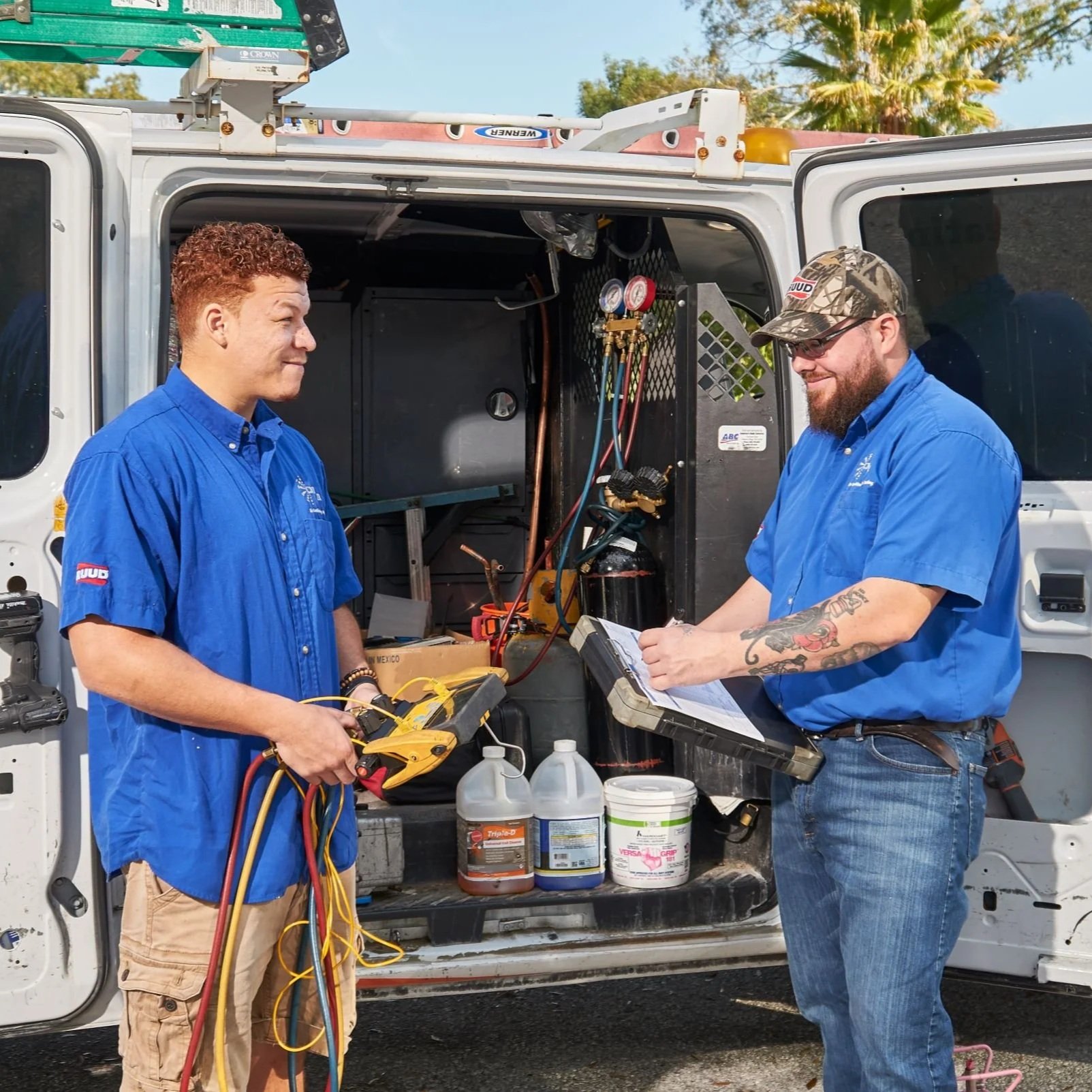
Installing a high-efficiency AC system in Tampa, where rebates and financing help homeowners manage replacement costs.
Why Financing And Rebates Matter More In Tampa Than Many Homeowners Expect
Air conditioning in Tampa, Florida, rarely feels optional. Systems run hard, often for most of the year, and when replacement becomes necessary, the cost can catch homeowners off guard. Financing and rebate options exist to soften that impact, but many people overlook them or misunderstand how they work. In Tampa’s climate, waiting to replace a failing system until it reaches total breakdown often leads to rushed decisions, emergency pricing, and missed financial opportunities that could have been avoided with a bit of planning.
Financing matters here because AC replacement often happens during peak season, when demand is high, and comfort cannot wait. Homeowners rarely budget years in advance for a major HVAC expense, especially when the existing system limps along just well enough to delay action. Financing allows homeowners to move forward with a properly sized, well-installed system rather than settling for the cheapest immediate option. That flexibility often results in better comfort, lower operating costs, and fewer long-term issues tied to rushed choices.
Rebates play a different but equally important role. Incentive programs reward energy-efficient upgrades that reduce strain on the power grid and lower long-term energy consumption. Tampa homeowners who understand how rebates work often discover that the final cost of a higher-quality system is closer to budget options once incentives are applied. Financing and rebates work best together when homeowners understand the rules, timelines, and limitations involved.
Understanding The Types Of AC Financing Available In Tampa
AC installation financing comes in several forms, each with its own structure and implications. Contractor-offered financing remains one of the most common options in Tampa. These programs often partner with third-party lenders to provide fixed monthly payments over a set term. Approval typically depends on credit history, income, and existing debt, but the process moves more quickly than with traditional loans. Many homeowners appreciate the convenience of handling financing directly through their installer rather than coordinating separate lenders.
Bank loans and credit unions offer another path. Home equity loans or lines of credit sometimes provide lower interest rates, especially for homeowners with strong equity positions. These options involve more paperwork and longer approval timelines, which may not suit urgent replacements during peak summer heat. Still, for planned upgrades, traditional financing can offer flexibility and predictable terms that appeal to homeowners who prefer familiar lending structures.
Credit cards also come into play, though they require caution. Promotional offers with deferred interest sometimes look attractive, but missed payments or delayed payoff periods can trigger high interest charges. Tampa homeowners considering this route benefit from clear payoff plans that align with promotional terms. Understanding the tradeoffs between convenience, cost, and risk helps homeowners choose financing that supports comfort without creating long-term financial strain.
How Manufacturer Financing Programs Work
Many AC manufacturers offer branded financing programs designed to encourage installation of their equipment. These programs often feature promotional rates, such as low or zero interest for a limited period, tied to approved installers. In Tampa, these offers often coincide with peak replacement seasons, when homeowners feel pressure to act quickly. Manufacturer financing can make higher-efficiency systems more accessible by spreading the cost over time without immediate interest penalties.
Eligibility requirements still apply. Credit approval determines available terms, and promotional rates often require full repayment within a specific timeframe. Homeowners who miss that window may face retroactive interest charges. Understanding the fine print matters, especially when budgeting for monthly payments or planning future expenses. Manufacturer programs work best for homeowners who are confident they can consistently meet repayment schedules.
Another factor involves equipment selection. Manufacturer financing usually applies only to specific product lines or efficiency tiers. That structure encourages upgrades that qualify for rebates or incentives but limits flexibility if homeowners prefer alternative configurations. Tampa homeowners who coordinate financing with rebate eligibility often maximize overall savings rather than focusing solely on monthly payments.
Local Utility Rebates And Incentive Programs In Tampa
Utility rebates form a key part of AC upgrade planning in Tampa, Florida. Programs offered through local utilities reward homeowners for installing energy-efficient systems that reduce peak demand. These rebates typically apply to systems meeting specific efficiency ratings and installation standards. The goal is to encourage upgrades that benefit both homeowners and the broader electrical grid.
Rebate amounts vary based on system type, efficiency level, and program availability. Some incentives offer flat dollar amounts, while others scale based on capacity or performance metrics. Application deadlines and documentation requirements matter. Homeowners often need proof of purchase, installation invoices, and efficiency certifications submitted within a defined window. Missing those steps can disqualify otherwise eligible installations.
Utility rebate programs change periodically based on funding and regulatory priorities. Tampa homeowners benefit from checking current offerings before selecting equipment. Installers familiar with local programs often guide homeowners toward options that qualify. Coordinating installation timing with rebate availability helps reduce out-of-pocket costs without compromising system quality.
State And Federal Incentives Affecting Tampa Homeowners
Beyond local utilities, state and federal incentives influence AC installation costs in Tampa. Federal tax credits sometimes apply to high-efficiency systems that meet specific performance criteria. These credits reduce tax liability rather than providing immediate cash rebates, which affects how homeowners factor them into budgeting decisions. Eligibility depends on equipment ratings, installation dates, and current tax laws.
Florida-specific programs occasionally supplement federal incentives, though availability fluctuates. These programs often focus on improving energy efficiency or disaster resilience. Homeowners upgrading AC systems as part of broader home improvement efforts may find overlapping incentives that support multiple upgrades at once. Understanding how incentives stack or interact helps homeowners avoid missed opportunities.
Documentation plays a critical role in tax-related incentives. Homeowners must retain manufacturer certifications, invoices, and installation records for filing purposes. Errors or missing paperwork can delay or invalidate credits. Tampa homeowners who treat incentive planning as part of the installation process rather than an afterthought often navigate these requirements more smoothly.
Why Timing Matters When Seeking Financing And Rebates
Timing influences both financing availability and rebate eligibility. Many promotional financing offers align with specific seasons, often peaking during spring and early summer. Rebates may operate on limited funding cycles that close once budgets are exhausted. Tampa homeowners who wait until emergency replacement scenarios risk missing favorable terms simply because programs have paused or reached capacity.
Planned replacements allow homeowners to compare financing options calmly and gather rebate information before committing. That preparation leads to better decision-making and less pressure-driven compromise. Even homeowners whose systems still operate may benefit from early exploration of options to avoid rushed choices later.
Seasonal demand also affects processing times. High-volume periods slow approvals, inspections, and rebate processing. Homeowners who act during off-peak months often experience smoother coordination and clearer communication. In Tampa’s climate, proactive timing often translates into financial and logistical advantages.
How Installer Experience Affects Financing And Rebate Access
Installer experience influences more than system performance. It directly affects whether financing and rebate opportunities remain available or get lost in the process. In Tampa, Florida, many rebate programs and manufacturer incentives require installation by approved or certified contractors. Installers who work regularly with these programs understand which systems qualify, how paperwork must be submitted, and which steps cannot be skipped without jeopardizing eligibility. That knowledge saves homeowners from discovering too late that an otherwise solid installation does not qualify for expected incentives.
Financing coordination also benefits from installer familiarity. Contractors who routinely offer financing options understand approval timelines, documentation requirements, and payment structures well enough to explain them clearly. Homeowners often feel overwhelmed by fine print, especially during stressful replacement situations. An experienced installer acts as a translator, helping homeowners understand how financing terms align with rebate timing, promotional periods, and expected out-of-pocket costs. That guidance reduces the risk of choosing a financing plan that conflicts with rebate requirements or tax credit eligibility.
Over time, installer experience prevents costly mistakes. Missed deadlines, incomplete forms, or incorrect equipment documentation can disqualify rebates entirely. Tampa homeowners who work with installers familiar with local and national programs typically navigate financing and incentives more smoothly, reducing frustration and maximizing available savings without adding unnecessary complexity to the project.
The Role Of Credit Profiles In Financing Options
Credit profiles influence which financing options Tampa homeowners can access and under what terms. Contractor-backed financing programs usually offer tiered options based on credit approval, with better terms reserved for stronger credit histories. Homeowners with excellent credit may qualify for low-interest or promotional plans that significantly reduce overall cost. Those with more limited credit still find options available, though interest rates and terms may differ.
Understanding credit impact ahead of time helps homeowners plan realistically. Applying for financing without knowing your credit standing can lead to surprises during the approval process. Tampa homeowners benefit from checking credit reports and addressing errors before initiating financing applications. Even minor improvements in credit profiles sometimes unlock better terms that reduce monthly payments or total interest over time.
Credit considerations also affect decision-making between financing types. Home equity options may offer lower rates for homeowners with sufficient equity, regardless of credit score. Conversely, unsecured financing programs rely heavily on credit history. Matching financing choices to individual financial situations prevents unnecessary stress and helps homeowners choose paths that support long-term stability rather than short-term convenience.
How Rebates Influence Equipment And System Choices
Rebate structures often guide equipment selection more than homeowners realize. Many incentive programs target specific efficiency thresholds, system types, or performance features. In Tampa, these requirements frequently favor systems with enhanced humidity control, higher efficiency ratings, or advanced compressor technology. Homeowners who understand rebate criteria early can select equipment that qualifies rather than discovering limitations after installation.
That influence sometimes shifts decision-making away from entry-level systems toward mid-range or premium options. While upfront costs increase, rebates often narrow the gap significantly. Tampa homeowners who evaluate net cost rather than sticker price frequently find that higher-quality systems become more attainable once incentives apply. That approach aligns financial planning with long-term comfort and efficiency goals.
Rebates also shape installation practices. Some programs require load calculations, airflow verification, or specific installation methods to qualify. These requirements add labor steps but improve system performance. Homeowners who embrace rebate-driven standards often receive better installations as a result, reinforcing the value of understanding incentive rules rather than viewing them as paperwork hurdles.
Navigating Application Processes Without Losing Eligibility
Rebate and incentive applications demand attention to detail. Each program sets its own deadlines, documentation requirements, and submission methods. Tampa homeowners often assume installers handle everything automatically, but responsibilities are sometimes split between the contractor and the homeowner. Understanding who submits what prevents missed steps that invalidate claims.
Timing matters throughout the process. Some rebates require application submission before installation begins, while others accept documentation afterward. Missing these windows disqualifies even perfectly installed systems. Homeowners benefit from confirming timelines early and setting reminders for required actions. Organized recordkeeping supports smoother processing and faster reimbursement.
Patience also plays a role. Rebate processing takes time, especially during high-demand periods. Tampa homeowners who expect immediate returns may feel frustrated, but understanding typical timelines reduces stress. Proper submission nearly always leads to eventual payment, while rushed or incomplete applications risk denial that no appeal can fix.
Combining Financing With Rebates Strategically
Financing and rebates work best when planned together rather than treated as separate decisions. Financing addresses cash flow, while rebates reduce overall cost after installation. Tampa homeowners who coordinate both avoid mismatches where financing terms expire before rebates arrive or promotional periods conflict with processing timelines.
Some homeowners choose financing plans that allow early payoff without penalty once rebates or tax credits arrive. That flexibility reduces interest costs and shortens repayment periods. Others prefer fixed terms that spread payments evenly regardless of rebate timing. Both approaches work when aligned with personal budgeting preferences and program rules.
Strategic planning also accounts for tax implications. Federal credits reduce tax liability rather than providing immediate cash, which affects repayment strategies. Tampa homeowners who anticipate these offsets incorporate them into broader financial planning rather than treating them as surprises. Coordination transforms financing and rebates into complementary tools rather than isolated benefits.
FAQs
Financing programs vary, but many contractor-backed options approve a wide range of credit profiles. Better credit usually unlocks lower rates, though alternatives exist for most homeowners.
Rebates depend on proper application and documentation. Eligibility alone does not guarantee payment without timely submission and compliance with program rules.
Some rebates stack with federal tax credits or manufacturer incentives. Program rules determine compatibility, so reviewing details before installation helps maximize savings.
Emergency replacements may still qualify, but rushed installations often miss application deadlines. Planning improves eligibility during urgent situations.
Waiting may risk system failure during peak heat. Evaluating current programs and planning replacement timing helps balance comfort needs with financial opportunities.
