
Understanding SEER Ratings for AC Units in Florida
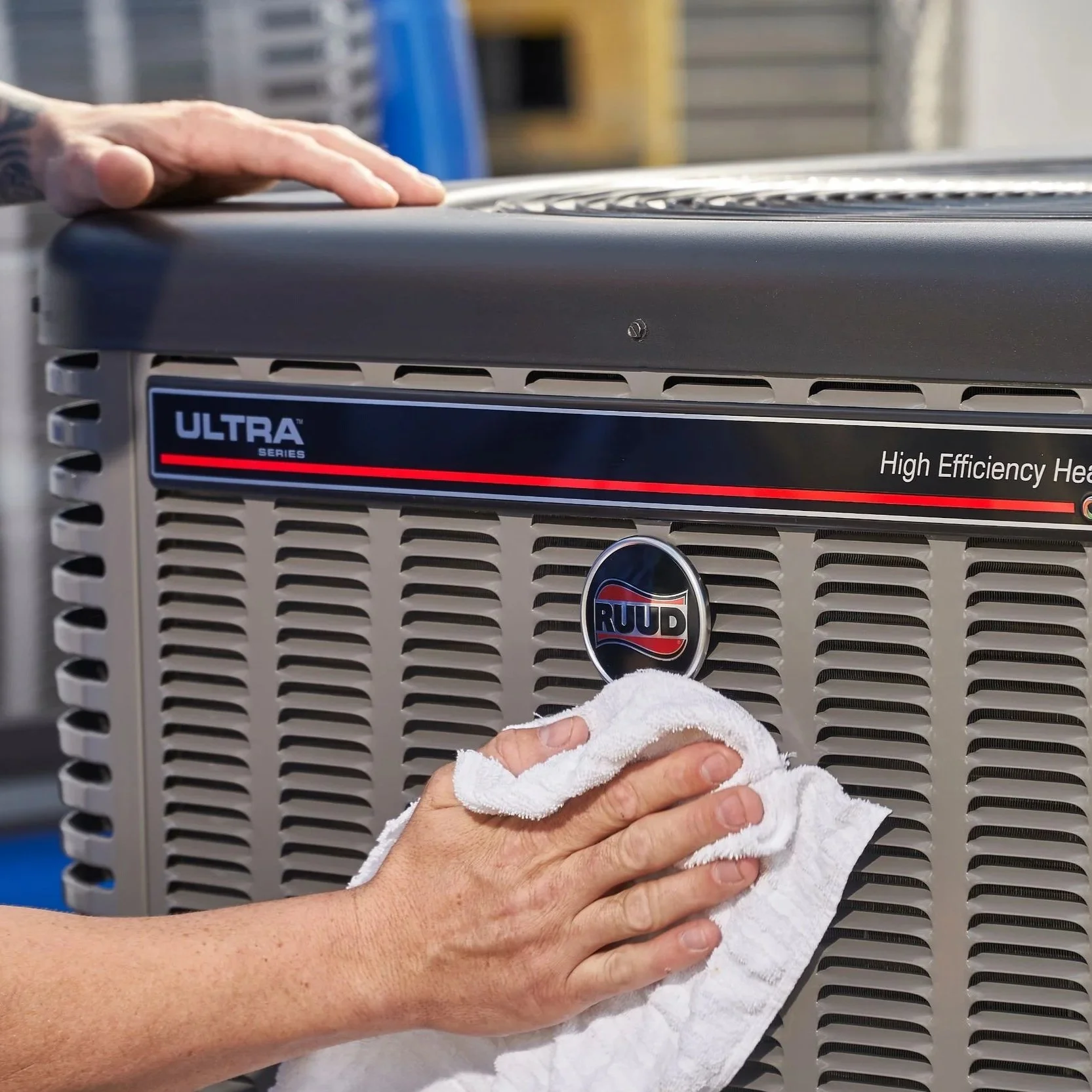
Understanding SEER ratings helps Tampa homeowners choose air conditioners that balance efficiency, comfort, and humidity control.
SEER ratings come up in almost every air conditioning conversation in Florida, especially around Tampa, where cooling systems work harder and longer than they do in most parts of the country. Homeowners hear a higher SEER means better efficiency, lower bills, and smarter choices, but the reality is more layered than that. SEER ratings matter, but only when they are understood in the context of Florida’s climate, home construction, humidity levels, and how systems actually operate day to day.
In Tampa, air conditioners are not just seasonal appliances. They run for much of the year, managing heat and moisture under constant demand. A system that looks impressive on paper may struggle in real conditions if it is mismatched to the home or installed without consideration for airflow and humidity control. Understanding what SEER ratings represent, and what they do not, helps homeowners make decisions based on performance rather than marketing language.
What SEER Ratings Actually Measure
SEER stands for Seasonal Energy Efficiency Ratio, a metric that estimates how efficiently an air conditioning system converts electricity into cooling over a typical cooling season. The rating is calculated by dividing the total cooling output during a standardized test period by the total electrical energy consumed. Higher numbers indicate greater efficiency under those controlled conditions, which is why SEER ratings often appear front and center in equipment comparisons.
The key limitation lies in the testing environment. SEER ratings are determined in laboratory conditions that do not reflect Florida’s extended cooling seasons or high humidity levels. The tests assume moderate outdoor temperatures and do not fully account for latent heat removal, which is the energy spent pulling moisture out of the air. In Tampa homes, moisture removal places a heavy load on AC systems and directly affects comfort and energy use, even though SEER calculations give it limited weight.
SEER ratings also represent average performance across a range of conditions rather than worst-case scenarios. Florida systems spend far more time operating at high demand than the national average assumed in SEER testing. Understanding this distinction helps homeowners see SEER as a comparative tool rather than a promise of real-world energy savings.
Why Florida’s Climate Changes The Meaning Of SEER
Florida’s climate alters how efficiency should be evaluated. Tampa experiences long stretches of heat and persistent humidity, which demand sustained system operation. Air conditioners in this environment spend more time running continuously and less time cycling on and off. Systems designed to perform efficiently at partial capacity tend to handle these conditions better than systems optimized for short, intense cooling cycles.
High humidity forces air conditioners to work harder even when temperatures are moderate. Removing moisture requires longer runtimes and steady airflow across the evaporator coil. Systems that cool too quickly may satisfy temperature demands but fail to control humidity, prompting homeowners to lower thermostat settings and increase energy use. SEER ratings alone do not capture this behavior, which explains why some high SEER systems disappoint in Florida homes.
The extended cooling season also magnifies small efficiency differences over time. A system that runs for ten months of the year amplifies any inefficiencies in sizing, airflow, or installation. Tampa homeowners benefit more from stable, well-matched systems than from chasing the highest SEER number available without addressing other performance factors.
Single-Stage, Two-Stage, And Variable-Speed Systems
SEER ratings interact closely with system design. Single-stage systems operate at full capacity whenever they run, which limits their ability to adapt to changing conditions. These systems often achieve lower SEER ratings because they lack flexibility, cycle on and off frequently, and consume more energy during startup.
Two-stage systems introduce an intermediate level of control by operating at a lower capacity during mild conditions and full capacity when demand rises. This design supports longer run times and better humidity control, which improves comfort in Tampa homes. Two-stage systems often achieve higher SEER ratings than single-stage units because they operate more efficiently at partial loads.
Variable-speed systems take adaptability further by adjusting output continuously rather than switching between fixed stages. These systems run longer at lower speeds, maintaining steady temperatures and consistent moisture removal. Variable-speed operation aligns well with Florida’s climate. It often delivers real-world efficiency gains that match or exceed SEER ratings, particularly when paired with proper sizing and airflow design.
The Relationship Between SEER And System Sizing
System sizing plays a major role in how SEER ratings translate into actual performance. An oversized system may carry a high SEER rating but operate inefficiently in a Tampa home. Oversizing leads to short cycling, reduced moisture removal, and increased component wear. These behaviors increase energy consumption and undermine the efficiency promised by the rating.
Undersized systems present a different problem. While they may run continuously and remove moisture effectively, they struggle to maintain comfortable temperatures during peak heat. Constant operation increases energy use and shortens equipment lifespan. SEER ratings assume proper sizing, so when systems are mismatched to the home, the rating loses relevance.
Accurate load calculations consider square footage, insulation levels, window placement, shading, occupancy, and ventilation. Homes near Tampa Bay, for example, experience different heat and moisture patterns than those in inland areas. Matching the AC's system capacity to these factors allows it to operate within its most efficient range, making the SEER rating more meaningful in practice.
Ductwork And Its Influence On SEER Performance
Ductwork condition heavily influences whether a system achieves its rated efficiency. Leaky or poorly insulated ducts waste conditioned air before it reaches living spaces. In Tampa homes, ductwork often runs through hot attics where energy losses multiply quickly. Even a high SEER system cannot perform efficiently if large portions of its output never reach the home.
Airflow restrictions also affect performance. Undersized or poorly designed ducts reduce airflow across the evaporator coil, limiting heat and moisture removal. This forces the system to run longer and harder, increasing energy use and reducing comfort. SEER ratings assume proper airflow, so duct deficiencies effectively lower real-world efficiency regardless of equipment rating.
Addressing duct issues often yields efficiency improvements equal to or greater than those from upgrading equipment alone. Sealing leaks, improving insulation, and balancing airflow allow systems to operate as designed. In many Tampa homes, these improvements unlock the efficiency potential already present in the existing system.
Installation Quality And Its Impact On Real SEER Performance
Installation quality often determines whether a system ever operates close to its rated SEER efficiency. Even minor installation errors have outsized effects in Florida’s climate, where systems run for long hours under steady load. Incorrect refrigerant charge, improper airflow, or poorly sealed connections all reduce efficiency while increasing operating costs. These problems rarely cause immediate failure, which allows them to quietly erode performance over months or years without obvious warning signs.
In Tampa homes, improper airflow remains one of the most common issues undermining SEER performance. Restricted airflow across the evaporator coil reduces heat transfer and limits moisture removal, forcing longer runtimes and higher energy use. Refrigerant issues compound the problem by increasing compressor strain and reducing cooling capacity. SEER ratings assume ideal installation conditions, so when those assumptions fail, real-world efficiency drops well below expectations regardless of how advanced the equipment may be.
Experienced installers understand how Florida conditions influence setup decisions. Attic temperatures, duct routing, and humidity levels all affect calibration choices. Attention to these details allows systems to operate smoothly within their designed efficiency range. Without that care, even the highest SEER equipment struggles to deliver meaningful savings in Tampa’s demanding environment.
Humidity Control And The Hidden Side Of Efficiency
Humidity plays a central role in how SEER ratings translate into comfort and energy use in Florida homes. Air conditioners remove both heat and moisture, but SEER calculations emphasize temperature reduction more than latent moisture removal. In Tampa, where humidity remains high even during cooler months, moisture control often drives system runtime more than temperature alone.
Systems that manage humidity effectively allow homeowners to feel comfortable at higher thermostat settings. Drier air feels cooler on the skin, reducing the need for aggressive temperature setbacks. This effect lowers overall energy use even if the SEER rating does not explicitly reflect it. Variable-speed and two-stage systems typically excel here by maintaining longer runtimes that steadily remove moisture without rapid cycling.
Poor humidity control creates a feedback loop that hurts efficiency. Homeowners lower thermostat settings to compensate for sticky indoor air, increasing runtime and energy consumption. Standalone dehumidifiers sometimes come into play, adding more electrical load and masking the underlying issue. Selecting systems with strong humidity performance matters just as much as chasing higher SEER numbers in Tampa homes.
New Construction Versus Existing Homes And SEER Expectations
SEER ratings often perform differently in new construction compared to existing homes. Newer homes typically feature better insulation, tighter building envelopes, and well-designed duct systems that support efficient operation. In these environments, higher SEER systems are more likely to deliver measurable energy savings because the surrounding conditions support optimal performance.
Existing Tampa homes present more variables. Older ductwork, air leakage, and inconsistent insulation levels place additional strain on cooling systems. Installing a high SEER unit without addressing these factors often leads to disappointing results. The system works harder to overcome structural inefficiencies, thereby reducing the benefit of higher-rated equipment.
Homeowners upgrading AC systems in existing homes often see better results when efficiency improvements extend beyond the equipment itself. Duct sealing, insulation upgrades, and airflow corrections create conditions where SEER ratings become more meaningful. Treating the home as a system rather than focusing solely on the AC unit leads to more reliable efficiency gains.
Balancing SEER Ratings With Cost And Payback In Florida
Higher SEER systems typically cost more upfront, which raises questions about payback and long-term value. In Florida, where cooling demands remain high for much of the year, energy savings accumulate faster than in cooler climates. Even so, the highest available SEER rating does not always deliver the best return on investment for every home.
Moderate SEER systems, when properly installed and sized, often deliver the most balanced results. The incremental efficiency gains of ultra-high SEER equipment may take many years to offset the higher purchase price, especially if the home has unresolved duct or insulation issues. Tampa homeowners benefit most from aligning SEER choice with realistic operating conditions rather than theoretical maximum efficiency.
Payback also depends on usage patterns. Homes occupied throughout the day see different savings than homes vacant during working hours. Shading, orientation, and internal heat gains further influence results. Evaluating SEER ratings through the lens of how the home is actually used leads to smarter financial decisions and fewer regrets over time.
How Maintenance Affects Long-Term SEER Performance
SEER ratings assume equipment remains clean and properly adjusted throughout its lifespan. In reality, dirt, wear, and airflow changes gradually reduce efficiency if maintenance is neglected. In Tampa’s climate, outdoor units accumulate debris quickly, and indoor components are constantly exposed to moisture, which accelerates buildup.
Dirty coils reduce heat transfer efficiency, forcing longer runtimes and higher energy use. Clogged filters restrict airflow, limiting moisture removal and straining system components. Over time, these issues lower effective efficiency well below the original SEER rating, even though the equipment itself remains mechanically functional.
Regular maintenance preserves efficiency by keeping airflow and heat exchange close to design conditions. Homeowners who treat maintenance as part of their efficiency strategy often experience more stable energy bills and better comfort year after year. SEER ratings describe potential efficiency, but maintenance determines how much of that potential remains available over time.
Choosing The Right SEER Rating For Tampa Homes
Selecting the right SEER rating involves balancing equipment capability, home conditions, and climate realities. Tampa homeowners rarely benefit from choosing the highest rating available without addressing supporting factors. Systems with moderate to high SEER ratings that emphasize variable operation and humidity control often outperform ultra-high SEER systems installed in less-than-ideal conditions.
Home characteristics guide these decisions. Well-insulated homes with efficient ductwork can better support higher SEER equipment. Older homes may see better results by combining moderate SEER systems with envelope improvements and airflow corrections. The goal remains consistent performance rather than chasing a single efficiency metric.
SEER ratings serve best as a comparison tool rather than a guarantee. Understanding how they interact with Florida’s climate, system design, and installation quality allows homeowners to make informed decisions grounded in real-world performance rather than marketing expectations.
FAQs
SEER indicates how efficiently an air conditioner converts electricity into cooling under standardized test conditions. It helps compare systems but does not predict exact energy savings in Tampa homes where humidity, installation quality, and usage patterns play major roles.
Higher SEER ratings can offer benefits, but real-world performance depends on system sizing, humidity control, ductwork condition, and installation quality. In many Tampa homes, a properly installed moderate SEER system outperforms a poorly matched high SEER unit.
Short cycling, poor humidity control, duct leakage, or installation issues often reduce effective efficiency. SEER ratings assume ideal conditions that may not exist in the home without supporting improvements.
Variable-speed systems align well with Florida’s climate by running longer at lower output, improving humidity control, and reducing energy spikes. Their real-world efficiency often matches or exceeds what SEER ratings suggest.
Ductwork problems frequently limit efficiency more than equipment choice. Sealing and improving ducts often deliver noticeable energy savings and allow the AC system to operate closer to its rated SEER.
