
How to Choose the Most Energy-Efficient AC for Tampa Homes
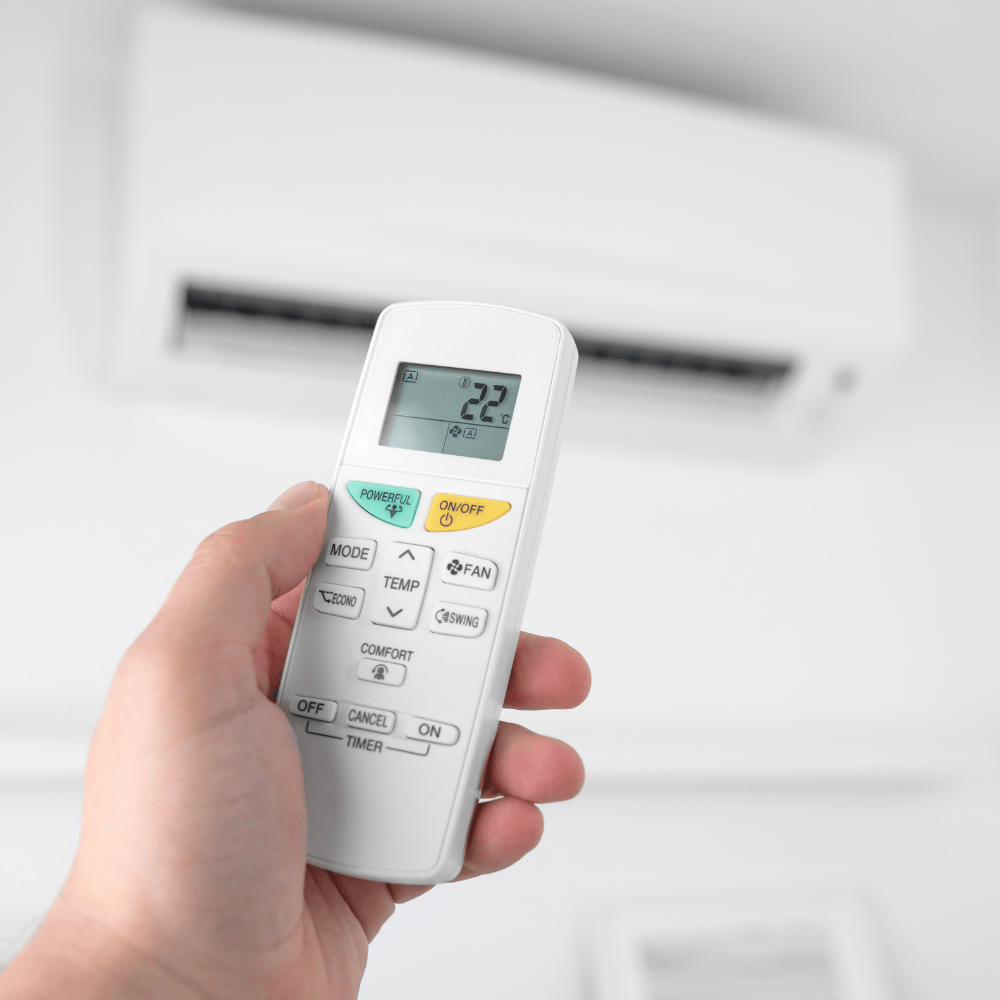
Choosing the right AC in Tampa ensures year-round comfort while maximizing energy efficiency and reducing utility costs.
Energy efficiency has a different meaning in Tampa, Florida, than in cooler or drier regions. Air conditioning systems here do far more than cool the air for a few peak months. They run for long stretches of the year, managing both heat and humidity under constant strain. Choosing an energy-efficient AC system in Tampa is not about chasing the highest efficiency rating on paper. It involves understanding how systems behave in real homes under real conditions over long periods of continuous use.
Many homeowners focus on upfront cost or advertised ratings without considering how their home’s layout, insulation, airflow, and moisture load interact with the equipment. An air conditioner that performs well in one house may struggle in another just a few streets away. Tampa’s climate exposes weaknesses quickly, whether they stem from poor sizing, mismatched components, or unrealistic expectations about how efficiency actually shows up on monthly utility bills.
Why Energy Efficiency Looks Different In Tampa’s Climate
Tampa’s heat is only half the story. Humidity accounts for much of the workload on air conditioning systems. Removing moisture from indoor air requires longer run times and steady operation, which changes how efficiency should be evaluated. Systems designed to cool quickly and shut off may look efficient on paper, but perform poorly in real Tampa homes where moisture removal remains critical for comfort.
Energy-efficient AC systems in Tampa need to operate smoothly at partial capacity. Long, steady cycles allow moisture to be removed while maintaining stable temperatures. Short cycling wastes energy, increases wear, and leaves homes feeling clammy even when the thermostat reads low. Efficiency, in this environment, favors systems that modulate output rather than rely on constant on/off operation.
Home construction further complicates efficiency. Older homes with leaky envelopes, single-pane windows, or limited insulation place higher demands on cooling systems. Even newer homes vary widely in performance depending on orientation, shading, and air sealing quality. Understanding how your specific home handles heat and moisture helps frame what energy efficiency actually means for your situation rather than relying on generic benchmarks.
Understanding SEER Ratings And Their Limitations
SEER ratings often dominate energy-efficiency discussions, but they are most useful when placed in context. SEER measures cooling efficiency under standardized test conditions that do not fully reflect Tampa’s long cooling seasons and high humidity. A higher SEER rating indicates potential efficiency, but it does not guarantee lower energy bills if the system is poorly matched to the home.
In Tampa homes, a system with a moderate SEER rating that runs steadily often outperforms a higher-rated system that short cycles. Moisture removal, airflow balance, and system sizing influence real-world performance more than incremental SEER differences. Homeowners often feel disappointed after investing in high-SEER equipment without addressing the underlying factors that prevent efficient operation.
SEER ratings also fail to account for installation quality. Duct leakage, refrigerant charge errors, and airflow restrictions can negate efficiency gains entirely. A slightly lower SEER system installed correctly often delivers better results than premium equipment installed poorly. Viewing SEER as one piece of a larger efficiency puzzle leads to smarter decisions and more reliable outcomes in Tampa’s demanding climate.
System Sizing And Its Impact On Energy Use
Proper sizing remains one of the most important factors in achieving energy efficiency. Oversized systems cool air too quickly, shutting down before removing adequate moisture. This behavior leads to frequent cycling, higher energy consumption, and increased component wear. Undersized systems run continuously, struggling to maintain comfort while driving up utility costs.
Tampa homes require sizing that accounts for both sensible heat and latent moisture load. Square footage alone does not provide enough information. Window exposure, ceiling height, insulation quality, and occupancy patterns all influence cooling demand. A professional load calculation identifies these variables and supports system selection that balances comfort and efficiency.
Correct sizing supports longer run times at lower output levels. This operating pattern aligns well with Tampa’s climate by maintaining stable indoor conditions and reducing energy spikes. Homeowners who prioritize sizing accuracy often see better humidity control, quieter operation, and more consistent monthly energy costs.
Single-Stage Versus Variable-Speed Systems
Single-stage air conditioners operate at full capacity whenever they run. While these systems remain common, they struggle to be efficient in Tampa’s climate. Full-capacity operation cools quickly but removes less moisture, leading to short cycles and uneven comfort. Energy use increases as the system repeatedly starts and stops throughout the day.
Variable-speed systems adjust output based on real-time demand. These systems run longer at lower speeds, consuming less energy while maintaining steady temperatures and improved humidity control. In Tampa, homes with variable-speed operation often see lower energy bills despite higher upfront costs.
The efficiency advantage comes from adaptability. Variable-speed systems respond to changing conditions, such as afternoon heat spikes or evening humidity, without resorting to full-power operation. Over time, this smoother operation reduces component stress and supports longer equipment lifespan. For homeowners focused on long-term efficiency rather than short-term savings, variable-speed technology often delivers more reliable results.
Ductwork Condition And Its Role In Efficiency
Ductwork condition significantly influences energy efficiency, yet it often receives less attention than equipment selection. Leaky or poorly insulated ducts waste conditioned air before it reaches living spaces. In Tampa’s hot attics, even small duct leaks lead to substantial energy loss and reduced system performance.
Older homes often have duct systems designed for earlier equipment or outdated cooling loads. Undersized or poorly routed ducts restrict airflow, forcing systems to work harder to maintain comfort. This increased workload drives up energy use and accelerates wear. Evaluating duct condition before selecting a new AC system prevents efficiency losses that no amount of advanced equipment can overcome.
Sealing and insulating ducts often delivers immediate efficiency gains. Proper airflow allows systems to operate within intended parameters, supporting longer run times and improved humidity control. In many Tampa homes, duct improvements provide some of the highest returns on investment for energy efficiency improvements.
Thermostat Technology And Control Strategies
Thermostat choice plays a quiet but powerful role in energy efficiency for Tampa homes. Basic thermostats turn systems on and off based solely on temperature, ignoring humidity, runtime behavior, and occupancy patterns. In a climate where moisture control matters as much as cooling, that limitation often leads to inefficient operation. Systems may satisfy temperature targets quickly while leaving humidity behind, prompting homeowners to lower settings and drive up energy use without gaining comfort.
Advanced thermostats offer better control by supporting longer, steadier runtimes and smarter scheduling. Programmable and smart thermostats allow homeowners to adjust cooling schedules based on daily routines rather than constantly making manual changes. Some models integrate humidity sensing and adaptive learning, allowing the system to respond more intelligently to Tampa’s fluctuating conditions. Over time, these controls help systems operate in their most efficient range rather than reacting aggressively to short-term temperature swings.
Control strategies also matter. Aggressive temperature setbacks during the day often backfire in Tampa, forcing systems to work harder later to remove accumulated heat and moisture. Moderate, consistent setpoints typically result in lower overall energy use and better comfort. Matching thermostat capability with system design supports efficiency gains that equipment alone cannot deliver.
Insulation And Building Envelope Considerations
Even the most efficient air conditioner struggles in a home that loses conditioned air quickly. Insulation and air sealing shape how hard a system must work to maintain comfort. In Tampa homes, attic insulation plays a vital role due to intense solar heat gain. Poor insulation allows heat to radiate downward into living spaces, increasing cooling demand throughout the day.
Wall insulation and window performance also influence efficiency outcomes. Older homes with minimal insulation or single-pane windows place a constant load on AC systems. Newer homes may perform better but still suffer from air leakage around penetrations, recessed lighting, and duct chases. Addressing these weaknesses reduces heat and moisture infiltration, allowing the air conditioner to operate more efficiently without oversized capacity.
Energy efficiency improves most when the building envelope and cooling system work together. Sealing air leaks, improving insulation, and managing solar exposure reduce peak loads and support longer, steadier system operation. These improvements often deliver noticeable comfort gains while reducing energy use during Tampa’s long cooling season.
Humidity Control As An Efficiency Multiplier
Humidity control directly affects perceived comfort and energy consumption in Tampa homes. Air that feels dry at higher temperatures often feels more comfortable than cooler air with high moisture content. Systems that manage humidity effectively allow homeowners to raise thermostat settings without sacrificing comfort, reducing energy use in the process.
Energy-efficient systems in Tampa prioritize latent load removal alongside sensible cooling. Variable-speed compressors and properly sized equipment support longer runtimes that steadily remove moisture. When humidity is kept under control, systems avoid the cycle of overcooling followed by rapid warm-up that drives inefficiency.
Ignoring humidity leads to hidden costs. Excess moisture encourages mold growth, material deterioration, and indoor air quality issues, prompting additional equipment use, such as standalone dehumidifiers. Selecting an AC system that manages humidity as part of normal operation supports both comfort and efficiency without relying on supplemental solutions.
Installation Quality And Its Long-Term Impact
Installation quality often determines whether an energy-efficient AC system performs as intended. Even the best equipment fails to deliver efficiency gains when installed incorrectly. Refrigerant charge errors, improper airflow, and poor duct connections all undermine performance while increasing energy use. These issues frequently go unnoticed until utility bills rise or comfort complaints persist.
In Tampa’s climate, small installation flaws compound quickly. Improper airflow reduces moisture removal and forces longer runtimes at a higher energy cost. Incorrect refrigerant levels strain compressors and reduce efficiency across the system’s lifespan. Attention to detail during installation protects the investment and supports consistent performance under heavy use.
Experienced installers account for Tampa-specific challenges such as attic heat, humidity load, and seasonal demand patterns. Their familiarity with local conditions informs decisions about equipment setup, airflow balancing, and control calibration. Installation quality remains one of the most important yet overlooked components of energy efficiency.
Maintenance And Efficiency Over Time
Energy efficiency does not remain static after installation. Filters clog, coils collect debris, and components drift out of calibration over time. Regular maintenance supports efficient operation by preserving airflow, heat transfer, and moisture removal capabilities. Neglecting maintenance gradually erodes efficiency, often without obvious warning signs.
In Tampa homes, outdoor units are constantly exposed to heat, rain, and debris. Condenser coils lose efficiency when dirty, forcing compressors to work harder. Indoor components suffer when filters restrict airflow, reducing moisture removal and increasing energy use. Consistently performing simple maintenance tasks protects efficiency gains year after year.
Long-term efficiency also depends on monitoring system behavior. Rising energy bills, increased runtime, or declining comfort often signal maintenance needs before failures occur. Homeowners who view maintenance as part of an energy-efficiency strategy rather than an optional expense typically experience more stable operating costs and fewer surprises during the peak cooling season.
Balancing Upfront Cost With Lifetime Efficiency
Energy-efficient AC systems often carry higher upfront costs, which can discourage homeowners focused on immediate budget concerns. In Tampa, where air conditioning runs much of the year, lifetime operating costs matter more than the initial price alone. Systems that consume less energy month after month often recover the cost difference through lower utility bills.
Lifetime efficiency also includes durability. Systems that run smoothly at partial capacity experience less wear than systems that cycle aggressively. Reduced strain leads to fewer repairs and longer service life, further improving overall value. Evaluating efficiency through the lens of ownership rather than purchase price produces more informed decisions.
Incentives and financing options can offset upfront costs, but the most reliable returns come from consistent performance in Tampa’s demanding climate. Homeowners who weigh efficiency, comfort, and durability together tend to achieve greater long-term satisfaction than those who chase short-term savings.
FAQs
Variable-speed air conditioning systems tend to perform best in Tampa because they run steadily and manage humidity effectively. Proper sizing and installation quality are equally important for maximum efficiency.
Higher SEER ratings indicate potential efficiency, but real-world results depend on sizing, installation, and humidity control. In Tampa, a properly matched system with a moderate SEER can outperform a poorly installed high-SEER unit.
High humidity increases cooling demand and reduces comfort. Systems that remove moisture effectively allow higher thermostat settings, saving energy while keeping Tampa homes comfortable.
Leaky or poorly insulated ducts waste conditioned air and force the AC to work harder. Fixing duct issues often improves efficiency more than upgrading the HVAC equipment alone.
Annual maintenance helps AC systems operate efficiently. In Tampa’s climate, monitoring filters, coils, and airflow throughout the cooling season supports consistent performance.
