
How to Lower Your Energy Bills After AC Installation in Tampa
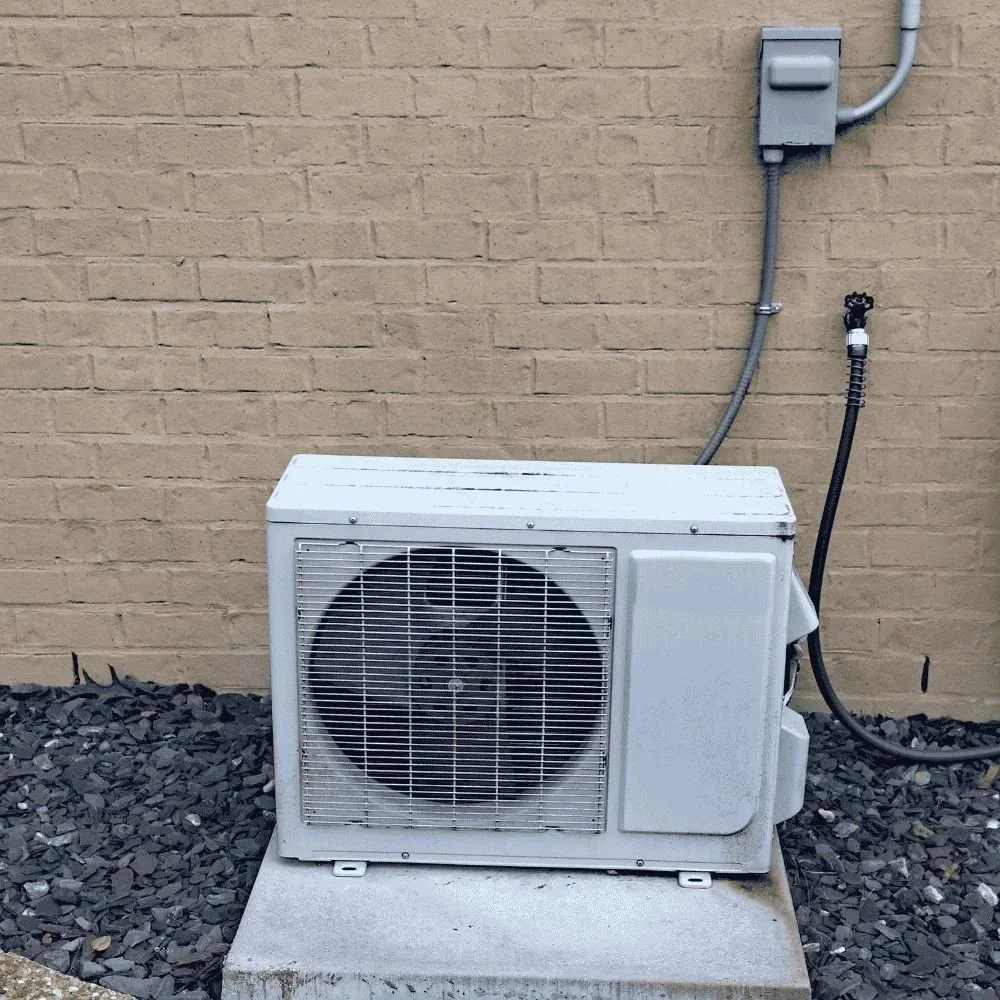
Maximize savings with your new AC: Proper thermostat settings and efficient airflow reduce energy bills in Tampa homes.
Installing a new air conditioning system in Tampa, Florida, often comes with a mix of relief and sticker shock. Relief because the house finally cools evenly, humidity drops, and sleep becomes possible again. Sticker shock because the first few electric bills after installation often don't match expectations. Many homeowners assume new equipment automatically equals lower energy costs, but real savings depend on how the system operates within the home and how the home responds to conditioned air.
In Tampa’s climate, air conditioning works almost year-round. Small inefficiencies that might go unnoticed elsewhere compound quickly here. Lowering energy bills after AC installation requires understanding how the system operates, how air moves through the home, and how daily habits affect cooling demand. The goal is not aggressive thermostat changes or constant adjustments, but creating stable operating conditions that allow the system to run efficiently without fighting heat and moisture all day long.
Why New AC Systems Do Not Automatically Lower Energy Bills
A new air conditioner improves reliability and comfort, but it does not magically correct every inefficiency in a home. Many Tampa houses have insulation gaps, leaky ductwork, or airflow imbalances that existed long before the new system arrived. When the AC turns on, it must overcome those issues before delivering measurable energy savings. Without addressing them, even high-efficiency equipment may work harder than expected.
System behavior also changes after installation. New equipment often cools faster and maintains tighter temperature control, which can tempt homeowners to lower thermostat settings or cool unused spaces. These habits increase runtime and energy use. The system performs as designed, but usage patterns shift in ways that offset efficiency gains. Understanding how comfort expectations affect energy use helps homeowners adjust habits rather than blaming the equipment.
Humidity control adds another layer. New systems often remove moisture more effectively, which improves comfort. When humidity drops, homes may feel cooler at higher temperatures, but only if thermostat settings reflect that change. Leaving old temperature habits in place prevents homeowners from taking advantage of improved moisture removal and energy efficiency.
Setting Thermostats For Tampa’s Climate
Thermostat settings play a major role in post-installation energy bills. In Tampa, aggressive temperature setbacks often backfire. Raising the thermostat significantly during the day allows heat and moisture to build inside the home. When the system turns back on, it must work harder and longer to restore comfort, driving up energy use rather than reducing it.
Stable temperature settings usually lead to lower overall energy consumption. Maintaining a consistent indoor temperature allows the system to run at lower output for longer periods, which improves efficiency and humidity control. Many homeowners find that keeping temperatures slightly higher but consistent produces better comfort than chasing dramatic swings throughout the day.
Modern thermostats offer features that support efficient operation, but only when used thoughtfully. Smart scheduling, gradual changes, and avoiding frequent manual adjustments help the system settle into efficient operating patterns. In Tampa homes, consistency often matters more than precision when controlling energy use.
Taking Advantage Of Improved Humidity Control
One of the biggest opportunities to lower energy bills after AC installation lies in humidity management. New systems often remove moisture more effectively than older units, especially if they include variable-speed technology. Drier indoor air feels cooler, which allows homeowners to raise thermostat settings without sacrificing comfort.
Many Tampa homeowners miss this opportunity by continuing to cool based solely on temperature. Paying attention to how the air feels rather than the number on the thermostat often reveals that comfort remains acceptable at higher settings. Each degree increase can reduce cooling energy use significantly over time, especially during long cooling seasons.
Ignoring humidity benefits leads to unnecessary energy use. Running supplemental dehumidifiers alongside a new AC system adds electrical load and masks underlying issues. When the AC system manages moisture properly, those devices become unnecessary, reducing overall energy consumption and simplifying indoor climate control.
Ductwork Adjustments That Reduce Energy Loss
Ductwork condition often determines whether energy savings materialize after AC installation. Leaky ducts allow conditioned air to escape into attics or crawl spaces, forcing the system to run longer to maintain comfort. In Tampa’s hot attic environments, even small leaks translate into substantial energy loss.
After installation, airflow changes may reveal duct problems that were previously less noticeable. Rooms that cool unevenly or require closed doors to feel comfortable often indicate airflow imbalance. Adjusting dampers, sealing leaks, and improving insulation help distribute air evenly and reduce wasted energy.
Return air pathways matter just as much. Inadequate airflow returns create pressure imbalances that restrict system performance. Improving return pathways allows air to circulate freely, supporting efficient operation. These adjustments often cost far less than new equipment but deliver meaningful reductions in energy bills.
Managing Solar Heat Gain Inside The Home
Solar heat gain significantly affects cooling demand in Tampa homes. After AC installation, controlling sunlight becomes one of the most effective ways to reduce energy use. Direct sun exposure through windows raises indoor temperatures quickly, forcing the system to work harder during the peak afternoon hours.
Window coverings provide immediate benefits. Blinds, curtains, and reflective treatments reduce heat entering the home without affecting airflow. Exterior shading from awnings, trees, or screens further limits solar gain and reduces peak cooling demand. These strategies complement the AC system rather than replacing it.
Ignoring solar gain often leads homeowners to blame the AC system for high bills. Addressing sunlight exposure shifts part of the cooling load away from the equipment, allowing it to operate more efficiently throughout the day. In Tampa’s bright climate, shading strategies make a noticeable difference in energy consumption.
Improving Insulation And Air Sealing After Installation
Lowering energy bills after AC installation often depends on how well the home holds onto conditioned air. In Tampa, insulation gaps and air leaks allow heat and humidity to creep inside continuously, forcing the new system to work harder than necessary. Many homeowners focus on the equipment itself and overlook how much energy escapes through attics, wall penetrations, and poorly sealed openings.
Attic insulation plays an outsized role in cooling efficiency. Heat radiating from the roof enters living spaces throughout the day, especially during summer afternoons. Improving insulation depth or quality reduces that heat transfer and lowers the system’s workload. Air sealing around attic access points, recessed lighting, and duct penetrations further limits unwanted heat gain.
Air leaks around doors, windows, and utility penetrations also undermine efficiency. Even small gaps create steady infiltration that adds to cooling demand. Sealing these leaks stabilizes indoor conditions and allows the AC system to maintain comfort with less effort. Homes that address insulation and air sealing after installation often see immediate reductions in energy bills without changing equipment or settings.
Understanding Runtime Versus Short Cycling
Energy efficiency in Tampa often improves when AC systems run longer at lower output rather than cycling frequently. Short cycling increases energy use because each startup draws more power and places stress on components. New systems may reveal short cycling patterns if they are oversized or if airflow restrictions exist.
Monitoring runtime helps identify inefficiencies. Systems that turn on and off every few minutes rarely achieve optimal humidity control or energy efficiency. Longer, steadier cycles support moisture removal and reduce energy spikes. Adjustments to airflow, thermostat settings, or system staging often correct short cycling behavior.
Homeowners sometimes misinterpret longer runtimes as inefficiency. In reality, steady operation at lower power often uses less energy overall than frequent high-power startups. Understanding this behavior prevents unnecessary thermostat adjustments that increase bills rather than reducing them.
Reducing Internal Heat Sources
Internal heat sources add to cooling demand, especially in tightly controlled indoor environments. Appliances, lighting, and electronics generate heat that the AC system must remove. After installation, managing these sources helps lower energy use without sacrificing comfort.
Lighting upgrades provide a clear example. Older incandescent bulbs generate more heat than modern LED options. Switching lighting types reduces internal heat gain while lowering electrical consumption directly. Appliances such as ovens and dryers also contribute to heat during peak hours, increasing cooling demand.
Timing matters as well. Running heat-producing appliances during cooler parts of the day reduces strain on the AC system. In Tampa homes, shifting usage patterns helps the system maintain efficiency during the hottest hours without major lifestyle changes.
Using Ceiling Fans To Support Efficient Cooling
Ceiling fans complement air conditioning by improving air circulation and perceived comfort. Moving air helps occupants feel cooler at higher temperatures, allowing thermostat settings to rise without sacrificing comfort. Fans consume far less energy than air conditioners, making them an effective efficiency tool.
Proper use matters. Fans cool people, not rooms, so running them in unoccupied spaces wastes energy. Using fans strategically in occupied areas reduces the need for aggressive cooling. In Tampa’s humid climate, improved airflow also helps evaporate moisture from the skin, enhancing comfort even when temperatures rise slightly.
Fan direction also affects performance. During the cooling season, blades should rotate to push air downward, creating a gentle breeze. This simple adjustment improves comfort and reduces reliance on lower thermostat settings, which drive up energy bills.
Monitoring Energy Bills And System Performance
Tracking energy use after AC installation helps identify patterns and opportunities for improvement. Comparing bills month to month while accounting for weather conditions provides insight into how the system responds to real demand. Sudden increases often point to airflow issues, thermostat habits, or maintenance needs.
Smart meters and utility tools provide detailed usage data that help homeowners identify peak consumption periods. Identifying when energy use spikes allows targeted adjustments rather than broad changes. In Tampa, peak afternoon demand often aligns with solar heat gain and appliance usage, making those areas prime targets for efficiency improvements.
Performance monitoring also supports early detection of problems. Gradual increases in energy use may signal dirty filters, coil buildup, or duct issues. Addressing these early prevents higher bills and protects system longevity.
Maintenance Practices That Protect Efficiency
Regular maintenance preserves the efficiency gains expected from a new AC system. Filters, coils, and drainage components all affect how efficiently the system operates. Neglect allows small issues to compound, reducing performance over time.
In Tampa’s environment, outdoor units collect debris quickly due to vegetation, storms, and humidity. Keeping condenser coils clean supports heat rejection and reduces compressor workload. Indoor components also require attention to maintain airflow and moisture removal capability.
Maintenance schedules should align with usage intensity rather than calendar dates alone. Systems running nearly year-round benefit from periodic checks throughout the cooling season. Homeowners who treat maintenance as part of energy management often see steadier bills and fewer surprises.
Avoiding Common Post-Installation Mistakes
Many homeowners unintentionally raise their energy bills after AC installation by aggressively chasing comfort. Frequent thermostat adjustments, cooling unused spaces, and closing vents disrupt system balance and increase energy use. These habits often stem from a misunderstanding of how modern systems operate.
Closing vents rarely saves energy and often increases system strain by restricting airflow. Cooling unused rooms fully may seem harmless, but it adds unnecessary load. Learning how zoning, airflow, and runtime interact helps homeowners make informed choices that support efficiency.
Patience also matters. New systems need time to settle into operating patterns, especially when paired with new thermostats or airflow adjustments. Allowing the system to operate consistently rather than reacting to short-term sensations supports lower energy use over time.
Aligning Expectations With Tampa’s Reality
Lowering energy bills after AC installation in Tampa requires realistic expectations. New equipment improves efficiency and comfort, but it does not eliminate the challenges posed by heat and humidity. Energy savings emerge through a combination of equipment performance, home improvements, and daily habits.
Homes that treat the AC system as part of a larger environment perform best. Addressing insulation, airflow, shading, and usage patterns allows the system to operate efficiently rather than compensating for avoidable losses. These efforts compound over time, resulting in more stable energy bills throughout Tampa’s long cooling season.
Understanding how each element contributes empowers homeowners to make lasting adjustments. Rather than chasing quick fixes, focusing on steady improvements delivers the most reliable reductions in energy use without sacrificing comfort.
FAQs
Higher bills often result from unchanged habits, poor airflow, or insulation issues that existed before installation. New systems cool more effectively, which can lead to increased usage if thermostat settings or daily routines change.
Consistent settings typically use less energy than aggressive setbacks. Many homes remain comfortable at slightly higher temperatures when humidity is controlled effectively.
Ceiling fans improve air movement and comfort, allowing higher thermostat settings. Used correctly, they reduce reliance on lower temperatures and support energy savings.
Cooling unused spaces adds unnecessary load to the system. Adjusting airflow or zoning to reduce cooling in those areas often lowers energy use.
Energy savings often appear after habits, airflow, and insulation adjustments align with the new system. Immediate reductions are possible, but consistent improvements typically develop over several billing cycles.
