
Green Refrigerants in ACs: What Tampa Homeowners Need to Know
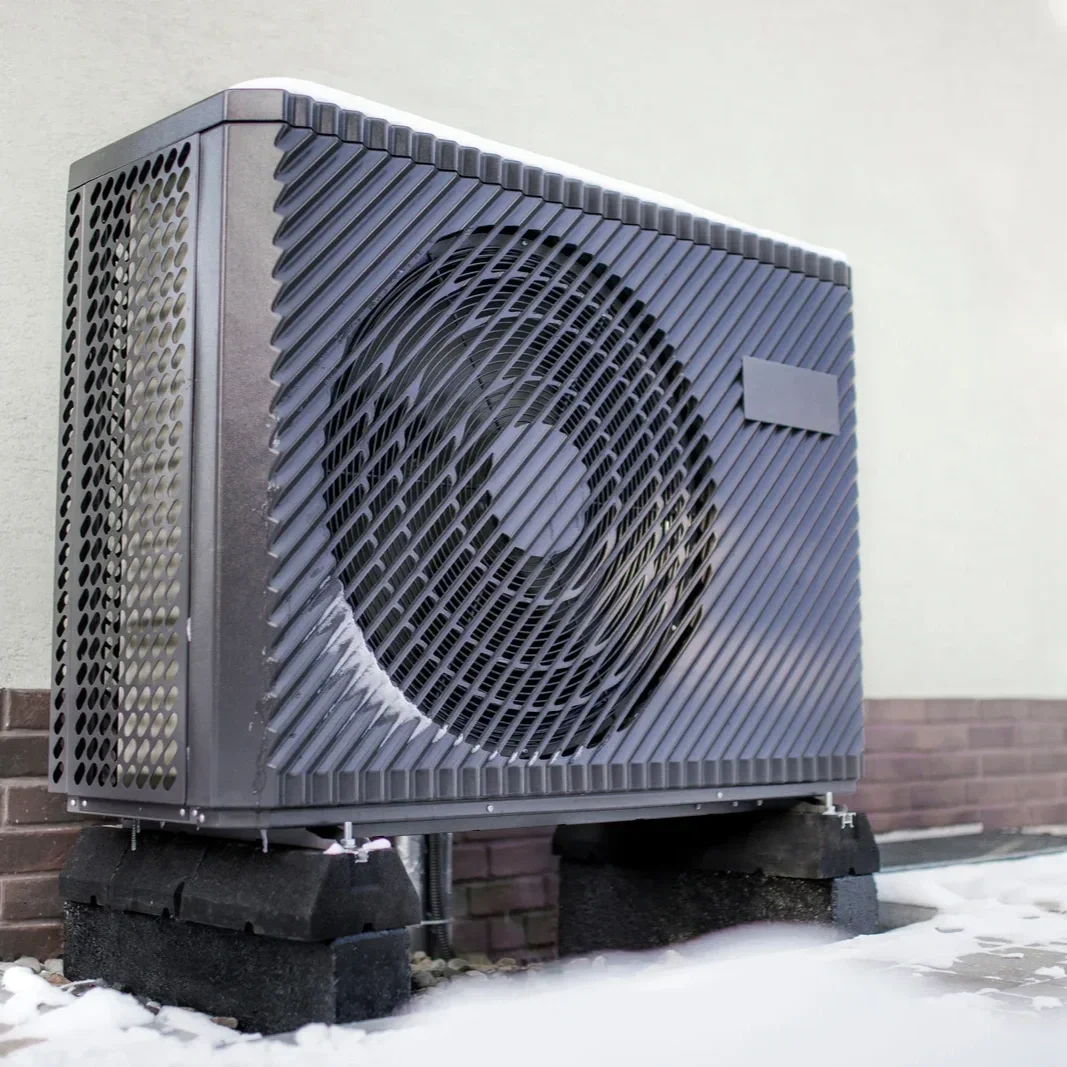
Tampa homeowners benefit from AC systems with green refrigerants, offering efficient, eco-friendly cooling and lower environmental impact.
Air conditioning in Tampa, Florida, has always been about more than comfort. Between long cooling seasons, high humidity, and growing environmental awareness, the type of refrigerant inside an AC system now matters just as much as the equipment itself. Many homeowners hear phrases like green refrigerants, eco-friendly cooling, or refrigerant phaseouts without fully understanding what those terms mean for their homes, energy bills, or future repairs. Refrigerants may be hidden inside copper lines and coils, but their impact reaches far beyond the equipment cabinet.
For Tampa homeowners, refrigerant choices affect system efficiency, environmental responsibility, long-term service costs, and even resale considerations. As older refrigerants are phased out and newer options take their place, understanding how these changes affect real-world cooling performance becomes essential. Green refrigerants are not a marketing trend. They represent a fundamental shift in how modern air conditioning systems are designed, installed, and maintained in Florida’s demanding climate.
What Refrigerants Do And Why They Matter
Refrigerant serves as the working fluid that allows an air conditioning system to move heat from inside a home to the outdoors. It absorbs heat as it evaporates and releases that heat as it condenses, repeating the cycle continuously while the system runs. Without refrigerant, an AC system cannot cool, dehumidify, or maintain indoor comfort.
The type of refrigerant used directly affects system pressure, efficiency, and operating characteristics. Different refrigerants behave differently under heat and humidity, which matters greatly in Tampa, where systems run for extended periods. Refrigerants also vary in their environmental impact. Some contribute significantly to global warming or ozone depletion if released, while newer alternatives are designed to reduce those effects.
Ignoring refrigerant differences leads homeowners to focus solely on equipment brands or efficiency ratings, without understanding the underlying chemistry that drives system performance. As refrigerant regulations evolve, homeowners who understand how refrigerants work are better prepared to make informed decisions about repairs, replacements, and long-term ownership costs.
The Environmental Impact Of Traditional Refrigerants
Older refrigerants such as R-22 were once the industry standard, but their environmental impact became impossible to ignore. R-22 contributes to ozone depletion and carries a high global warming potential. When released into the atmosphere through leaks or improper handling, it causes long-lasting environmental harm, prompting regulatory action.
In Florida, the impact of refrigerant leaks becomes increasingly concerning, given the sheer number of air conditioning systems in use. Tampa’s dense residential areas and constant cooling demand amplify the cumulative effect of small leaks across thousands of homes. Even well-maintained systems eventually lose refrigerant, making older refrigerants an ongoing environmental risk.
As regulations tightened, production of R-22 was phased out, driving up costs and limiting availability. Homeowners with older systems experienced rising repair expenses and fewer service options. The shift away from traditional refrigerants was not optional. It became a necessary step toward reducing environmental harm and stabilizing long-term cooling infrastructure.
What Makes A Refrigerant “Green”
Green refrigerants earn that label by reducing environmental impact compared to their predecessors. They typically have lower global warming potential, no ozone depletion potential, or both. These refrigerants are designed to meet modern environmental standards while still supporting effective cooling performance.
Being green does not mean being weak. Modern refrigerants deliver strong cooling capacity and often support higher efficiency when paired with compatible equipment. The difference lies in how they interact with the environment if released and how they support regulatory goals aimed at reducing long-term climate impact.
For Tampa homeowners, green refrigerants also align with practical benefits. Systems designed around newer refrigerants often feature updated components, improved efficiency, and better compatibility with modern control technologies. Environmental responsibility and homeowner benefit intersect more often than many people realize when it comes to refrigerant choices.
R-410A And Its Role In Modern AC Systems
R-410A became the most widely adopted replacement for R-22 in residential air conditioning systems. It eliminated ozone depletion concerns while delivering reliable cooling performance. Many Tampa homes have installed R-410A systems over the past two decades, making it the dominant refrigerant in the region.
Despite its success, R-410A is not without drawbacks. It operates at higher pressures than older refrigerants, which requires systems designed specifically to handle those conditions. It also carries a relatively high global warming potential compared to newer alternatives. As environmental standards continue to evolve, R-410A is now being phased down in favor of refrigerants with even lower climate impact.
For homeowners, R-410A systems remain fully functional and serviceable, but long-term planning matters. Understanding where R-410A fits into the broader refrigerant transition helps homeowners anticipate future decisions rather than reacting to sudden changes in availability or cost.
The Next Generation Of Green Refrigerants
Newer refrigerants such as R-32 and other low global warming potential blends represent the next phase of green cooling technology. These refrigerants reduce climate impact while maintaining or improving system efficiency. They operate at different pressures and require updated system designs, making them not drop-in replacements for older refrigerants.
In Tampa’s climate, these next-generation refrigerants offer advantages related to heat transfer efficiency and system responsiveness. Many newer systems paired with these refrigerants manage humidity effectively while consuming less energy at partial load. These characteristics align well with Florida’s long cooling seasons and moisture-heavy environment.
Transitioning to newer refrigerants requires thoughtful planning. Equipment compatibility, technician training, and safety considerations all play a role. Homeowners who understand these refrigerants gain clarity when evaluating new system options rather than feeling overwhelmed by unfamiliar terminology.
Safety And Performance Considerations With Green Refrigerants
Green refrigerants introduce new safety and performance considerations that homeowners should understand. Some newer refrigerants are mildly flammable under specific conditions, which requires updated installation standards and safety protocols. Modern systems account for these factors through design, component selection, and installation practices.
Performance characteristics also differ. Refrigerants influence how systems cycle, respond to load changes, and manage humidity. In Tampa homes, these behaviors directly affect comfort and energy use. Systems designed for newer refrigerants often incorporate variable-speed compressors and advanced controls that optimize performance under real-world conditions.
Homeowners benefit when installers understand how refrigerant properties interact with system design. Proper installation supports safety, reliability, and long-term performance. Refrigerant choice alone does not determine outcomes, but it shapes how the entire system operates over its lifespan.
How Refrigerant Changes Affect Repairs And Maintenance
Refrigerant transitions affect maintenance practices and repair costs. Older refrigerants like R-22 became expensive and difficult to source as production ended. Homeowners faced higher repair bills for leaks or component failures because refrigerant replacement alone could cost more than expected.
With newer refrigerants, availability improves, and environmental risk decreases, but maintenance still matters. Proper refrigerant charge, leak detection, and airflow management remain critical. Systems operating with incorrect refrigerant levels lose efficiency and strain components regardless of how green the refrigerant may be.
In Tampa, where systems run frequently, small maintenance issues escalate quickly. Understanding refrigerant differences helps homeowners appreciate why professional service matters and why shortcuts lead to higher costs over time rather than savings.
Energy Efficiency And Refrigerant Choice In Tampa Homes
Refrigerant selection influences energy efficiency in ways that are not always obvious to homeowners. Different refrigerants absorb and release heat at different rates, which affects how efficiently an AC system transfers heat from inside the home to the outdoors. In Tampa, where systems operate for long hours under steady load, small efficiency differences compound over time and show up on energy bills.
Newer green refrigerants often support higher efficiency when paired with modern system designs. Variable-speed compressors, advanced expansion devices, and smarter controls work together to leverage refrigerant properties to enable smoother operation at partial capacity. This matters in Florida, where systems rarely shut off completely and instead constantly adjust to changing heat and humidity.
Efficiency gains also depend on system compatibility. Installing a high-efficiency unit designed for a newer refrigerant allows the system to operate within its intended pressure and temperature ranges. Mismatched components reduce efficiency and increase wear. For Tampa homeowners evaluating new systems, refrigerant choice becomes part of the broader efficiency conversation rather than a standalone decision.
Refrigerant Phaseouts And What They Mean For Homeowners
Refrigerant regulations continue to evolve, and homeowners often hear about phaseouts without understanding their practical impact. Phaseouts do not mean systems suddenly stop working. They mean production and import of certain refrigerants gradually decrease, which affects availability and cost over time. R-22 provided a clear example, with prices rising sharply as supplies dwindled.
For Tampa homeowners, understanding phaseouts helps with long-term planning. Systems using refrigerants scheduled for reduction may remain serviceable for years, but repair costs tend to increase as refrigerant becomes harder to obtain. Planning for replacement before a major failure allows homeowners to make informed choices rather than rushing decisions under pressure.
Newer refrigerants entering the market are designed with these regulatory goals in mind. Choosing equipment built around current and future standards reduces uncertainty and protects against sudden cost spikes. Refrigerant awareness allows homeowners to align cooling investments with regulatory realities rather than reacting to them after the fact.
Compatibility Issues When Replacing Or Retrofitting Systems
Refrigerants are not interchangeable. Each refrigerant requires specific system components designed to handle its pressure, lubrication, and heat transfer characteristics. Attempting to retrofit older systems with newer refrigerants often leads to performance problems or equipment damage.
Homeowners sometimes hear about drop-in replacements, but these solutions rarely deliver the same reliability or efficiency as systems designed from the ground up for a specific refrigerant. In Tampa’s climate, where systems run heavily, compatibility issues surface quickly. Reduced capacity, higher energy use, and increased failure rates often follow improper conversions.
Replacing an older system with one designed for modern refrigerants avoids these risks. New systems incorporate compressors, coils, and controls engineered for the refrigerant they use. This integrated approach supports stable performance, reliable humidity control, and predictable maintenance requirements over time.
Installation Standards And Technician Training
Green refrigerants have changed installation standards and training requirements across the HVAC industry. Technicians working with newer refrigerants must understand updated safety protocols, pressure characteristics, and charging procedures. Proper installation directly affects system performance and longevity, especially in Tampa’s demanding climate.
Safety considerations include proper ventilation, leak detection, and component selection. Systems designed for newer refrigerants include safeguards that work only when installed correctly. Skipping steps or relying on outdated practices undermines those protections and increases risk.
Homeowners benefit from working with professionals who stay up to date on refrigerant technology. Knowledgeable installation supports efficiency, safety, and reliability. In a region like Tampa, where cooling systems operate nearly year-round, proper installation makes the difference between steady comfort and recurring service calls.
Refrigerants And Indoor Air Quality Considerations
Refrigerants do not circulate within living spaces during normal operation, but their role indirectly influences indoor air quality. Systems that manage heat and moisture effectively support healthier indoor conditions by limiting mold growth and maintaining stable humidity levels.
Green refrigerants, when paired with modern system designs, often support improved humidity control. Better moisture management reduces the risk of musty odors and material degradation that affect indoor air quality. In Tampa homes, where humidity remains high even during cooler months, this benefit matters year-round.
Leaks remain a concern regardless of refrigerant type. While newer refrigerants reduce environmental harm, leaks still reduce system efficiency and performance. Prompt detection and repair protect both comfort and air quality while preserving the benefits of green refrigerant technology.
Cost Considerations And Long-Term Value
Green refrigerants influence both upfront costs and long-term value. Systems designed for newer refrigerants may cost more initially due to advanced technology and regulatory requirements. Over time, however, improved efficiency, lower environmental impact, and reduced regulatory risk often offset those costs.
In Tampa’s climate, long operating seasons amplify efficiency gains. Lower energy use month after month contributes to meaningful savings that accumulate over the system’s lifespan. Reduced repair costs related to refrigerant availability further support long-term value.
Homeowners evaluating green refrigerants should consider ownership costs rather than purchase price alone. Systems aligned with current standards offer more predictable expenses and fewer surprises as regulations evolve.
FAQs
A green refrigerant is one with a lower environmental impact, including reduced global warming potential and no ozone-depleting potential. These refrigerants meet modern efficiency standards and comply with environmental regulations.
R-410A eliminated ozone depletion concerns compared to older refrigerants, but still has a relatively high global warming potential. Newer refrigerants are now being adopted with even lower environmental impact.
Existing systems will continue to operate, but refrigerant availability and cost may change over time. Planning for replacement before major failures helps avoid unexpected expenses.
New refrigerants are safe when systems are designed and installed correctly. Modern equipment includes safety features and installation standards that account for refrigerant properties.
Replacement decisions should consider system age, condition, efficiency, and long-term plans. Green refrigerants offer benefits, but replacement timing should align with practical needs rather than solely with refrigerant type.
