
The Impact of Regular Tune-Ups on Heating System Efficiency and Performance
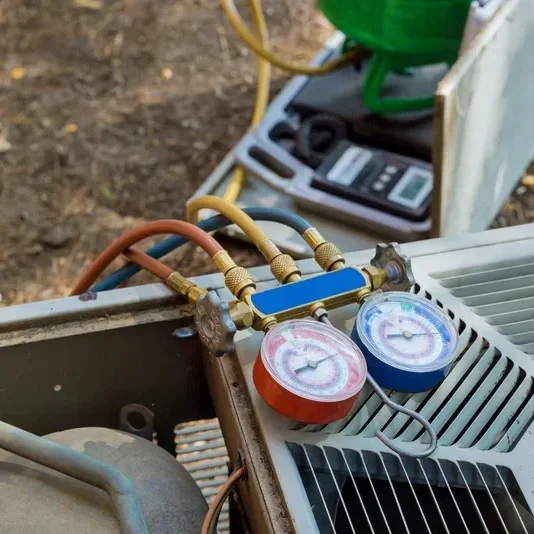
Investing in routine tune-ups allows for optimal performance and helps prevent unexpected breakdowns that could leave a space without adequate warmth.
Heating systems are fundamental in maintaining indoor comfort, especially during colder months. Regular maintenance is essential for preserving efficiency, reducing energy consumption, and lengthening the lifespan of HVAC systems. Without proper upkeep, heating systems are more likely to develop problems that lead to higher utility costs, uneven heating, and costly repairs. Investing in routine tune-ups allows for optimal performance and helps prevent unexpected breakdowns that could leave a space without adequate warmth.
Importance Of Heating System Maintenance
Routine tune-ups contribute significantly to the longevity and functionality of heating systems. Over time, dust, debris, and general wear and tear can impact system performance. A lack of maintenance often leads to inefficient operation, forcing the system to work harder to maintain a comfortable temperature. This additional strain results in increased energy usage and higher heating bills. Professional HVAC technicians conduct thorough inspections, clean components, and make necessary adjustments to restore efficiency.
Components such as filters, coils, and fans accumulate dirt over time, reducing airflow and placing stress on the system. Blocked airflow can lead to overheating and cause parts to deteriorate more quickly. A well-maintained system operates smoothly, distributing warm air evenly throughout the home or business while consuming less energy.
Energy Efficiency And Cost Savings
Energy efficiency is a concern for homeowners and businesses seeking to manage heating costs effectively. Systems working at peak efficiency require less energy to maintain indoor temperatures. A neglected system, on the other hand, struggles to function properly, leading to excessive energy consumption. HVAC professionals check for issues such as clogged filters, malfunctioning thermostats, and air leaks that contribute to heat loss. Addressing these concerns improves efficiency and results in noticeable savings on energy bills.
Routine maintenance also helps identify minor problems before they escalate into major repairs. Small concerns, if left unattended, can cause the entire system to operate inefficiently, leading to higher repair costs down the line. A proactive approach to heating system care minimizes the likelihood of emergency repairs and surprise expenses.
Improved Indoor Air Quality
Heating systems play a crucial role in indoor air quality. Over time, dust, pollen, and other airborne particles accumulate within the system and are circulated throughout the space. A poorly maintained system can spread contaminants that contribute to allergies and respiratory issues. Routine maintenance includes cleaning and replacing air filters, which helps trap pollutants and improve indoor air quality.
Duct cleaning is another essential aspect of HVAC maintenance. Dirt and debris buildup in the ductwork restricts airflow and allows contaminants to settle within the ventilation system. Professional HVAC services include duct inspections and cleaning, ensuring that clean, warm air is distributed evenly. Well-maintained heating systems not only provide comfort but also contribute to a healthier indoor environment.
Extending System Lifespan
Heating systems represent a significant investment, making it essential to maximize their lifespan. Regular tune-ups prevent excessive wear on key components, reducing the likelihood of premature system failure. When systems operate under stress due to neglect, they experience breakdowns more frequently, leading to costly replacements.
Technicians performing maintenance checks inspect all major components, including the blower motor, heat exchanger, and electrical connections. Identifying worn-out parts early allows for timely replacements, preventing further damage to the system. A properly maintained heating unit can operate efficiently for many years, delaying the need for a complete HVAC installation.
Preventing Unexpected Breakdowns
Heating systems are more likely to fail when they are pushed beyond their limits due to a lack of maintenance. A sudden system failure during cold weather can be inconvenient and expensive. Regular tune-ups help detect potential issues before they cause significant disruptions.
Technicians examine critical components such as burners, ignition systems, and safety controls to confirm they are functioning correctly. Early detection of failing parts allows for necessary repairs to be made before they cause a complete system breakdown. By maintaining the reliability of heating systems, routine servicing provides peace of mind, especially during the colder months.
Consistent Comfort Throughout The Season
A heating system that receives regular attention performs consistently, providing stable indoor temperatures regardless of outdoor conditions. Without routine maintenance, some areas of a home or business may remain colder than others due to uneven airflow. Common issues such as dirty filters, faulty thermostats, and blocked vents contribute to temperature inconsistencies.
HVAC professionals conduct thorough system calibrations, verifying that all components work together efficiently. By addressing airflow problems, sealing leaks, and cleaning essential parts, technicians help maintain even heat distribution. An optimized system delivers continuous comfort without frequent temperature fluctuations.
Environmental Benefits Of Regular Maintenance
Well-maintained heating systems not only improve efficiency but also reduce environmental impact. Systems consuming excessive energy contribute to higher carbon emissions. A properly maintained HVAC unit requires less fuel or electricity to operate, leading to lower energy consumption and a reduced carbon footprint.
Regular servicing also helps detect refrigerant leaks, which can be harmful to the environment. By addressing leaks promptly, technicians help prevent unnecessary emissions and energy waste. A cleaner, more efficient heating system benefits both homeowners and businesses while contributing to sustainability efforts.
Heating System Safety Considerations
Safety is critical when it comes to heating systems. Gas furnaces, boilers, and other fuel-burning systems produce carbon monoxide as a byproduct of combustion. A malfunctioning system may develop leaks, allowing dangerous gases to escape into the indoor environment.
Routine maintenance includes inspecting the heat exchanger and ventilation system to confirm that no leaks are present. Carbon monoxide detectors should also be checked to verify proper operation. Addressing these concerns during routine tune-ups significantly reduces safety risks associated with heating systems.
Investing in regular heating system maintenance delivers numerous advantages, from improved efficiency and lower energy costs to enhanced safety and indoor air quality. Preventive servicing extends system lifespan, reduces the likelihood of unexpected breakdowns, and supports environmental sustainability. By prioritizing routine tune-ups, homeowners and businesses maintain reliable heating performance throughout the season.
Call CMB Air when you need help with your heating system. We offer a wide variety of heating services ranging from HVAC replacement, HVAC blower motor, heating installation and replacement, and heating repair and maintenance to heat pump installation, heat pump repair, and heat pump replacement. As a family owned and operated full-service HVAC contractor, we provide quality maintenance and repair. State licensed, insured, and bonded. Get in touch with our experts.