
The Benefits of Upgrading to a Modern Heating System
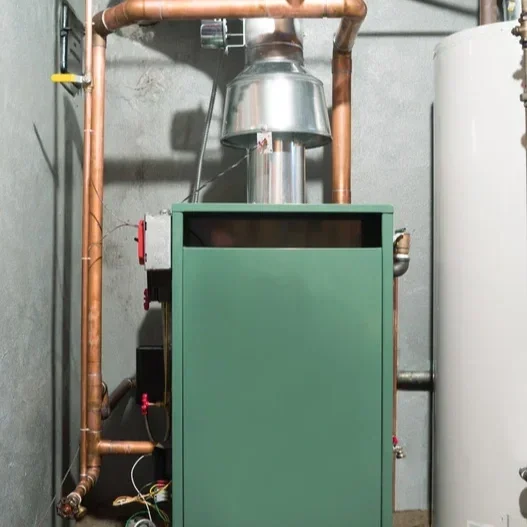
Understanding these benefits helps homeowners, landlords, and business owners make informed decisions when considering professional HVAC upgrades.
Upgrading to a modern heating system provides significant advantages in terms of efficiency, performance, comfort, and long-term value. While older equipment can still function, advancements in HVAC technology offer property owners opportunities to reduce operating costs, enhance indoor comfort, and increase overall property value. Understanding these benefits helps homeowners, landlords, and business owners make informed decisions when considering professional HVAC upgrades.
Energy Efficiency Gains
One of the most compelling reasons to upgrade a heating system is improved energy efficiency. Modern technologies convert a higher percentage of fuel or electricity into usable heat, minimizing energy waste. High-efficiency boilers, furnaces, and heat pumps are designed to operate at optimal performance levels. Professional HVAC installation verifies that these systems are correctly sized and configured, maximizing energy efficiency and delivering consistent warmth throughout the property.
Operating Cost Reduction
Improved efficiency translates directly into lower heating costs. Because modern systems require less fuel or electricity to maintain desired indoor temperatures, property owners can experience significant savings on monthly utility bills. Professional HVAC technicians can calculate potential energy savings based on property size, climate, and system specifications, helping homeowners understand the long-term financial benefits of an upgrade.
Enhanced Temperature Control
Modern heating systems offer precise temperature control capabilities, maintaining consistent comfort levels throughout every room. Advanced thermostats and controls enable homeowners to set desired temperatures precisely, minimizing fluctuations and maintaining a stable indoor environment. Proper professional installation optimizes these controls, securing maximum efficiency and comfort.
Zoning Capabilities
Many modern heating systems support multi-zone operation, allowing for separate temperature control in different areas of a building. Zoning enhances comfort by allowing occupants to adjust temperatures according to their individual preferences, while also conserving energy by heating only the areas in use. Professional HVAC installation ensures proper setup of zoning systems, including dampers, thermostats, and control panels.
Smart Technology Integration
Smart thermostats and connected heating systems provide advanced monitoring and adjustment capabilities. Homeowners can remotely control temperatures, receive system alerts, and schedule heating cycles for optimal energy use. Professional HVAC services help integrate these technologies, guaranteeing that systems operate correctly and provide the full benefits of a smart home.
Improved Air Quality
Modern heating systems often feature advanced filtration options that help remove dust, pollen, and other airborne particles. Clean air enhances indoor comfort and supports the health of occupants, particularly for those with allergies or respiratory sensitivities. Professional maintenance verifies filters are installed and replaced correctly, maximizing air quality performance.
Quieter Operation
Current heating technologies are designed with noise reduction in mind. Furnaces, heat pumps, and boilers incorporate quieter fans, insulated components, and improved airflow design. Professional installation secures a proper setup to minimize operational sound, resulting in a more peaceful indoor environment.
Reduced Environmental Impact
Modern heating systems consume less energy and emit fewer pollutants, thereby supporting environmental sustainability. High-efficiency equipment reduces carbon footprints, enabling property owners to meet their energy conservation goals. Proper installation optimizes system performance, further minimizing environmental impact.
Enhanced Reliability and Maintenance Advantages
Upgraded heating systems feature improved components and designs that reduce the risk of breakdowns. Diagnostic and monitoring capabilities enable proactive maintenance, preventing costly failures and extending equipment lifespan. Professional HVAC services leverage these features to maintain reliable operation and identify potential issues before they become significant problems.
Safety Improvements
Modern heating technologies incorporate enhanced safety features, including automatic shut-offs, compatibility with carbon monoxide detection systems, and overheat protection. Professional installation guarantees that these safety measures are correctly configured, providing peace of mind for property owners and occupants.
Space Utilization and Ventilation Integration
Contemporary heating units are often more compact than older models, offering flexible installation options. Integrated ventilation systems support proper fresh air circulation, maintaining healthy indoor environments. Professional HVAC planning certifies that heating, ventilation, and air quality systems work together efficiently, maximizing both space and performance.
Control Flexibility and Performance Monitoring
Modern systems offer a wide range of control options, from programmable thermostats to mobile app interfaces, providing users with greater flexibility and convenience. These controls enable property owners to manage heating schedules, monitor energy usage, and adjust system performance in real time. Professional HVAC services verify controls are correctly set up and monitoring capabilities are fully utilized for optimal efficiency and comfort.
Comfort Enhancement and Long-Term Value
Advanced air distribution enhances heating consistency, ensuring a uniform warmth throughout the property. Modern systems also maintain stable humidity levels, contributing to overall indoor comfort. Investing in a high-quality heating system adds long-term value by extending service life, reducing repair costs, and enhancing the property’s appeal to potential buyers or tenants.
Future Compatibility and Cost Recovery
Current heating technologies are designed with future upgrades in mind. Expansion capabilities, smart integrations, and modular components allow systems to adapt to changing needs. Energy savings from modern systems help offset the initial investment, providing ongoing financial benefits. Professional HVAC experts can estimate potential cost recovery and advise on options that balance upfront costs with long-term efficiency.
Building Value
A modern heating system enhances property market value by improving energy efficiency, comfort, and reliability. Updated HVAC equipment can attract quality tenants in rental properties or increase resale potential for homeowners. Professional installation guarantees that systems meet current standards and deliver optimal performance, thereby contributing to the long-term value of the property.
Conclusion
Upgrading to a modern heating system offers a wide range of benefits, including enhanced energy efficiency, cost savings, improved comfort, better air quality, and increased safety. Professional HVAC installation verifies that systems are correctly sized, optimized, and maintained for optimal long-term performance. By investing in modern heating technologies, property owners can enjoy reduced operating costs, enhanced indoor comfort, and increased property value, while supporting environmental sustainability and preparing for future system upgrades.
Professional HVAC expertise is crucial for realizing the full benefits of a heating system upgrade, securing the proper selection, installation, and maintenance. With a modern system in place, homes and businesses alike can enjoy reliable, efficient, and comfortable heating for years to come.
Call CMB Air when you need help with your heating system. We offer a wide variety of heating services ranging from HVAC replacement, HVAC blower motor, heating installation and replacement, and heating repair and maintenance to heat pump installation, heat pump repair, and heat pump replacement. As a family owned and operated full-service HVAC contractor, we provide quality maintenance and repair. State licensed, insured, and bonded. Get in touch with our experts.