
Repairing Frozen Heat Pump Coils
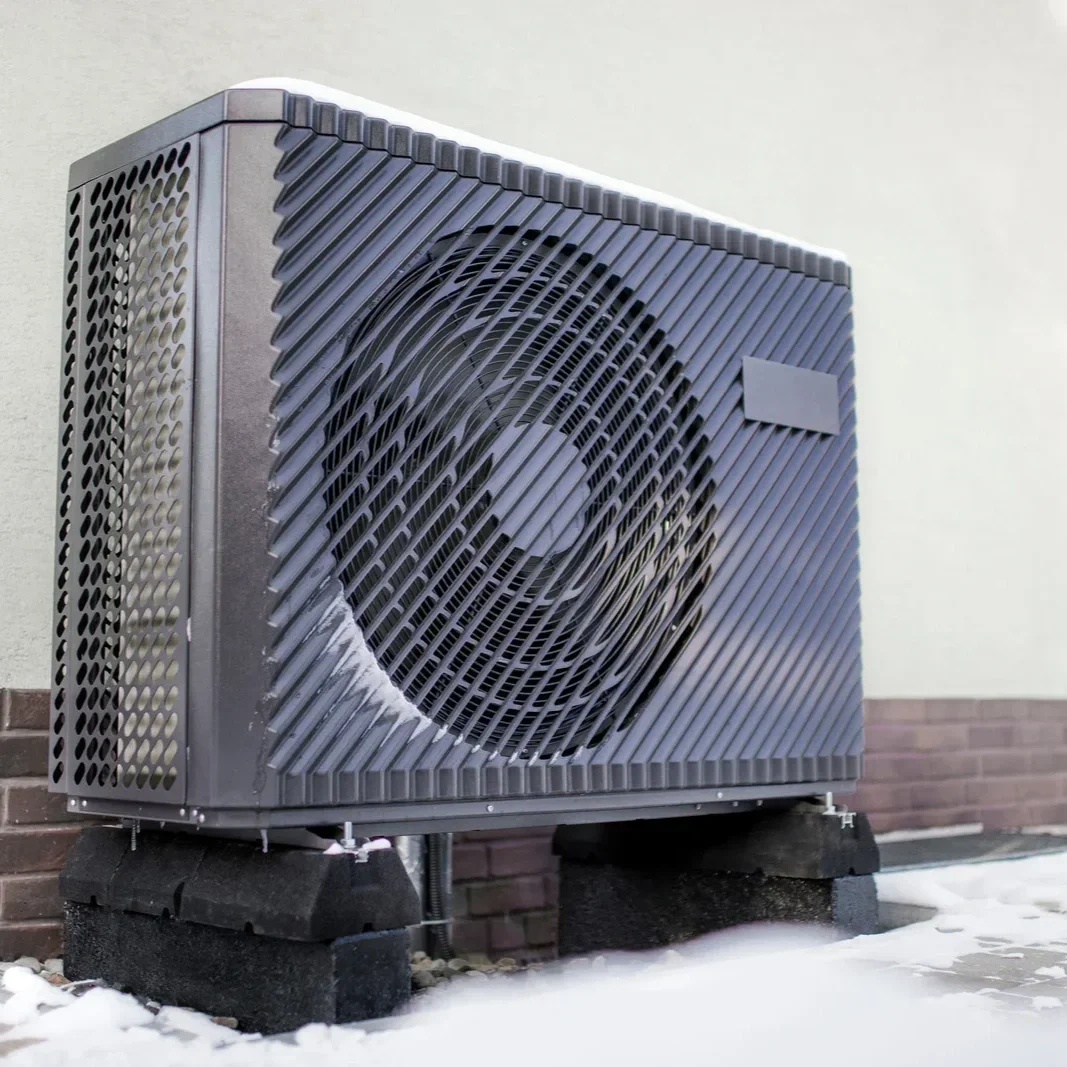
Frozen coils can be brutal for a heat pump system's efficiency, leading to reduced heating capacity and increased energy consumption.
As winter temperatures plummet, heat pumps can face significant challenges in maintaining optimal performance. One of the most common issues encountered during cold weather is the freezing of heat pump coils. Frozen coils can be brutal for a heat pump system's efficiency, leading to reduced heating capacity and increased energy consumption. Understanding the causes of coil freezing, recognizing the signs, and knowing how to address the problem can help homeowners maintain a comfortable indoor environment throughout the winter months.
Causes of Frozen Heat Pump Coils
Heat pump coils typically freeze due to a combination of factors. Cold outdoor temperatures, the high Florida humidity, and insufficient airflow can create conditions conducive to ice formation on the outdoor unit's coils. While heat pumps are designed to work in cold weather, harsh conditions can overwhelm their defrost capabilities, leading to ice accumulation.
Other factors that can contribute to coil freezing include refrigerant leaks, malfunctioning defrost controls, or blocked drainage paths. In some cases, a dirty air filter or an obstructed outdoor unit can restrict airflow, exacerbating the freezing problem.
Signs of Frozen Heat Pump Coils
Recognizing the signs of frozen coils early can prevent more serious damage to the heat pump system. Common indicators include:
-Visible ice accumulation on the outdoor unit
-Reduced heating performance or cold air blowing from vents
-Unusual noises coming from the outdoor unit
-The system is running constantly without reaching the desired temperature
-Steam or water vapor rising from the unit during defrost cycles
If any of these signs are observed, it's vital to address the concern promptly to prevent further damage and restore efficient operation.
Immediate Steps To Address Frozen Coils
When frozen coils are suspected, several immediate steps can be taken:
First, turn off the heat pump. Switching the system off can prevent further damage and allow the ice to start melting naturally.
Clear obstructions: Remove any snow, ice, or debris around the outdoor unit to improve airflow.
Check and replace air filters: A clean air filter can improve airflow and reduce the likelihood of freezing.
Activate defrost mode: If the heat pump has a manual defrost option, activating it can help melt the ice on the coils.
While these steps can provide temporary relief, it's important to note that persistent freezing issues often require professional attention from a home repair specialist.
Preventive Measures
To reduce the likelihood of future coil freezing incidents, a professional home repair specialist may recommend several preventive measures:
Install a wind baffle. This can protect the outdoor unit from harsh winds and reduce the risk of freezing.
Elevate the outdoor unit: Raising it slightly off the ground can prevent debris from accumulating around its base.
Schedule regular maintenance: Annual or bi-annual system check-ups can catch potential concerns before they cause coil freezing.
Upgrade the defrost controls: In some cases, installing more advanced defrost controls can improve the system's ability to prevent ice buildup.
Importance of Professional Service
While some homeowners may be tempted to try DIY repairs on frozen heat pump coils, professional service offers multiple advantages:
Safety: Working with HVAC systems involves electrical components and refrigerants, which can be harmful without proper training and equipment.
Comprehensive diagnosis: Professional technicians have the tools and expertise to distinguish underlying issues that may not be apparent to the untrained eye.
Warranty preservation: Many heat pump warranties require professional servicing to remain valid.
Long-term solutions: Professional repairs address the root causes of freezing, reducing the likelihood of recurrence.
Cost Considerations
The cost of repairing frozen heat pump coils can differ depending on the underlying source and the extent of the damage. While professional service may seem costly upfront, it can avoid more expensive repairs later on and improve overall system efficiency, potentially leading to energy savings.
Many home repair companies offer maintenance plans that include regular check-ups and priority service during peak seasons, which can be a cost-effective way to prevent issues like coil freezing.
Winter Preparedness
As winter approaches, taking proactive steps to stop the heat pump coil from freezing becomes crucial. Scheduling a pre-season check-up with a professional home repair service can identify potential concerns before they lead to system failures during the coldest months. Also, keeping the area around the outdoor unit clear of debris throughout the winter can help maintain proper airflow and decrease the risk of freezing.
Frozen heat pump coils can significantly impact a home's comfort and energy efficiency during winter. By understanding the causes, recognizing the signs, and understanding when to seek professional assistance, homeowners can address this issue effectively. Routine maintenance and prompt attention to any performance issues can help keep heat pump systems running smoothly, even in the harshest winter conditions. With the support of experienced home repair specialists, homeowners can preserve a warm and comfortable living environment throughout the cold season.
Call CMB Air when you need help with your heating system. We offer a wide variety of heating services ranging from HVAC replacement, HVAC blower motor, heating installation and replacement, and heating repair and maintenance to heat pump installation, heat pump repair, and heat pump replacement. As a family owned and operated full-service HVAC contractor, we provide quality maintenance and repair. State licensed, insured, and bonded. Get in touch with our experts.