
AC Installation and Mold Prevention – What Tampa Residents Need to Know
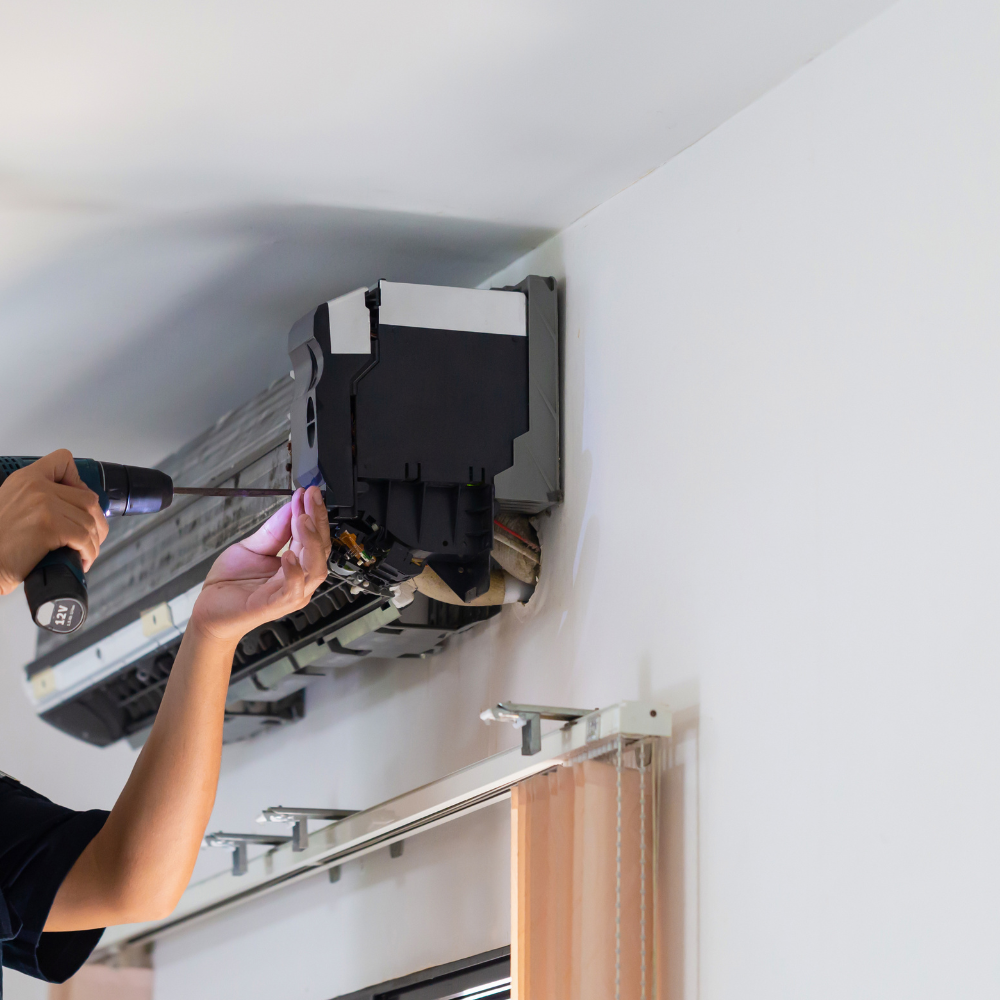
Proper AC installation in Tampa is key to controlling humidity and preventing mold inside ducts and walls.
Why Mold Risk Starts With AC Installation Choices In Tampa Homes
Mold problems in Tampa homes often begin long before anyone smells musty air or sees visible growth. Installation decisions made on day one shape how moisture moves through the home for years afterward. Tampa’s climate combines high heat with persistent humidity, which means air conditioning systems do far more than cool the air. They actively manage moisture. When an AC system is installed without careful attention to airflow, sizing, and drainage, excess moisture has nowhere to go, creating ideal conditions for mold growth inside ducts, air handlers, and surrounding building materials.
Many homeowners assume mold prevention begins with cleaning or chemical treatments, but the foundation lies in how the system was designed and installed. Oversized systems that cool too quickly often fail to run long enough to remove moisture from the air. Poorly sealed duct connections allow humid attic air to infiltrate the system, raising indoor moisture levels. Improper condensate drainage allows water to linger near components. Each of these issues traces back to installation decisions rather than maintenance neglect. In Tampa, where humidity rarely takes a break, those early choices compound quickly and quietly.
The Role Of Proper System Sizing In Moisture Control
System sizing plays a critical role in mold prevention, especially in Tampa’s environment. An air conditioner sized solely for peak cooling, without accounting for humidity control, often creates comfort issues that homeowners misinterpret as normal. Larger systems cycle on and off rapidly, dropping temperature quickly but leaving moisture behind. Over time, elevated indoor humidity can feed mold growth in hidden areas, such as duct interiors, insulation, and behind walls near supply vents.
Correct sizing considers heat load, home layout, insulation levels, and airflow characteristics rather than square footage alone. A properly sized system runs longer, steadier cycles that pull moisture from the air while maintaining comfortable temperatures. That extended operation supports consistent humidity control across the home. Ignoring proper sizing does not simply affect comfort. It alters how moisture behaves inside the structure, increasing long-term mold risk even when the home feels cool. In Tampa, where humidity remains high even during mild weather, sizing errors rarely self-correct and often worsen with time.
Ductwork Installation And Its Impact On Mold Development
Duct installation quality directly influences whether moisture stays contained or spreads throughout the home. Tampa homes frequently have duct systems routed through hot, humid attics, making sealing and insulation critical. Gaps, loose connections, or poorly sealed boots allow humid air to enter the duct system, where it condenses on cooler surfaces once the AC runs. That condensation creates a persistent moisture source inside the ducts, providing mold spores with the conditions they need to thrive.
Even well-designed AC equipment cannot compensate for leaky or improperly insulated ducts. Moisture introduced through duct leakage often goes unnoticed until mold growth becomes advanced. Homeowners may notice inconsistent airflow or lingering odors without realizing the source lies within the duct system itself. Proper duct installation involves more than connecting sections. It requires sealing joints, supporting runs to prevent sagging, and insulating surfaces exposed to extreme temperature differences. In Tampa’s climate, neglecting these details increases the risk of mold, regardless of how new or efficient the AC system is.
Condensate Drain Design And Long-Term Moisture Management
Condensate drainage remains one of the most overlooked aspects of AC installation related to mold prevention. Every air conditioning system removes moisture from the air, and that moisture must drain away efficiently. In Tampa homes, condensate systems operate nearly year-round due to persistent humidity. Improper slope, undersized drain lines, or poorly placed traps can cause water to stagnate in the system or overflow into surrounding areas.
Standing water becomes a breeding ground for mold and bacteria, often inside the air handler or drain pan, where growth remains hidden until odors or system shutdowns occur. Safety switches may interrupt operation when drainage backs up, but by the time that happens, moisture exposure may already be affecting insulation, framing, or drywall nearby. Proper condensate design directs water away from the system consistently and allows for routine flushing or maintenance access. Installation shortcuts in this area often lead to repeated moisture problems that no amount of surface cleaning can fully resolve.
Airflow Balancing And Its Effect On Hidden Moisture
Airflow balancing rarely receives attention during installation, yet it plays a major role in mold prevention. In Tampa homes, uneven airflow creates pockets where air remains stagnant, and humidity accumulates. Rooms with weak airflow often feel cooler or warmer than others, prompting homeowners to adjust thermostats in ways that disrupt moisture control across the home. Those imbalances allow moisture to settle in less-ventilated areas, such as closets, corners, and interior walls.
Proper balancing distributes conditioned air evenly, supporting consistent temperature and humidity levels throughout the home. Installation practices that overlook balancing often leave damp zones where mold can develop without obvious signs. Over time, those hidden areas may show staining, odors, or material degradation. Airflow balancing requires intentional damper adjustments and system testing, rather than relying on duct layout alone. In Tampa’s climate, balanced airflow supports both comfort and moisture control, factors that become increasingly important as homes age.
The Importance Of Return Air Placement In Mold Prevention
Return air placement influences how effectively an AC system manages humidity. Poorly located returns fail to capture moist air efficiently, allowing humidity to linger in certain areas of the home. In Tampa residences, returns placed too far from moisture sources, such as kitchens, bathrooms, or living areas, often struggle to circulate damp air back into the system for removal. That imbalance creates micro-environments where mold growth becomes more likely.
Strategic return placement supports steady circulation and moisture removal. Installation decisions that prioritize convenience over airflow dynamics often introduce long-term challenges. Homes with inadequate return pathways may experience pressure imbalances that pull humid outdoor air through gaps and cracks, further increasing indoor moisture. Addressing return air design during installation supports a closed, controlled air cycle that limits unintended moisture intrusion. In Tampa, where outdoor air is highly humid, controlling how air enters and exits the system is central to mold prevention.
Equipment Placement And Surrounding Building Materials
Where AC equipment sits inside the home influences mold risk beyond the equipment itself. Air handlers installed in tight closets, garages, or attic spaces interact closely with surrounding building materials. In Tampa, warm and humid air surrounding these components increases the likelihood of condensation forming on cabinets, framing, or nearby drywall. If installation fails to account for clearance, insulation, and ventilation, moisture can migrate into structural elements over time.
Homeowners often discover mold near air handlers not because the system malfunctioned, but because the surrounding environment encouraged condensation. Proper equipment placement considers access, airflow, drainage, and material protection together. Ignoring these relationships during installation often leads to localized mold issues that persist even when the system operates correctly. Tampa homes benefit from installation practices that treat the AC system as part of the building ecosystem rather than a standalone appliance.
Humidity Control Settings And Their Influence On Mold Growth
Humidity control does not end once the AC system is installed. How the system is configured and how it operates day to day play major roles in mold prevention in Tampa homes. Many modern air conditioning systems include settings that influence dehumidification performance, such as fan operation modes and staging behavior. When these settings are not properly configured, the system may cool the air without adequately removing moisture. Indoor temperatures may feel comfortable while humidity remains elevated, creating conditions where mold can quietly develop behind walls, inside ducts, or around vents.
Fan operation presents a common example. Continuous fan settings circulate air even when the system is not actively cooling. In Tampa’s humid climate, that circulation can reintroduce moisture back into the living space by evaporating condensation from the coil before it fully drains away. Over time, that repeated moisture redistribution raises indoor humidity levels and increases mold risk. Proper configuration favors coordinated cooling and moisture removal rather than constant air movement. Understanding how system settings affect humidity allows homeowners to support mold prevention without sacrificing comfort or efficiency.
The Relationship Between Insulation Quality And AC-Driven Moisture
Insulation interacts closely with air conditioning performance and mold prevention. In Tampa homes, insulation separates cooled indoor air from the hot, humid exterior. When insulation coverage is inconsistent or poorly installed, temperature differences across surfaces increase condensation potential. Cold air meeting warm surfaces creates moisture that accumulates inside walls, ceilings, or around duct chases. That hidden condensation often goes unnoticed until mold becomes visible or structural materials begin to deteriorate.
AC installation often reveals insulation weaknesses that previously caused only minor comfort issues. Once a new system improves cooling performance, those weaknesses become more pronounced. Areas with insufficient insulation may feel cooler but remain damp, particularly in closets, corners, or rooms with limited airflow. Addressing insulation quality alongside AC installation supports stable surface temperatures and reduces condensation risk. In Tampa’s environment, insulation functions as a moisture management tool as much as a thermal barrier, directly influencing mold potential over time.
Building Envelope Tightness And Uncontrolled Moisture Intrusion
The building envelope defines how air moves between the home and the outdoors. In Tampa, uncontrolled air infiltration introduces humid outdoor air that challenges even well-designed AC systems. Gaps around doors, windows, attic penetrations, and wall openings allow moisture-laden air to enter continuously. That moisture increases indoor humidity levels and forces the AC system to work harder to remove it. When infiltration exceeds the system’s dehumidification capacity, moisture accumulates in hidden areas.
An AC installation that does not account for envelope tightness often results in uneven performance. The system may perform well in mild conditions but struggle in prolonged, humid weather. Mold risk increases as moisture settles in wall cavities, insulation, and structural framing. Improving envelope tightness through sealing and weatherization complements AC performance and supports mold prevention. In Tampa homes, where humidity levels remain constant, managing how air enters the home is just as important as how the system cools it.
Maintenance Practices That Directly Affect Mold Risk
Post-installation maintenance practices determine whether mold remains under control or gradually becomes a problem. Coils, drain pans, and duct interiors accumulate moisture by design. Without proper maintenance, that moisture supports biological growth. In Tampa, where systems operate most of the year, maintenance intervals matter. Skipped inspections allow buildup to progress unnoticed, particularly in components hidden from view.
Professional maintenance addresses areas homeowners cannot easily access. Coil cleaning restores heat transfer efficiency and improves moisture removal. Drain inspections prevent slow backups that keep water sitting inside the system. Airflow checks confirm that moisture removal remains balanced throughout the home. Homeowner habits also play a role. Promptly addressing unusual odors, visible condensation, or drainage issues prevents small problems from escalating. Mold prevention depends on consistency rather than occasional reaction, especially in a climate that never fully dries out.
How Occupancy Patterns Influence Moisture And Mold
Daily living introduces moisture that the AC system must manage. Cooking, showering, laundry, and even breathing add water vapor to indoor air. In Tampa homes, occupancy patterns significantly influence humidity levels. Homes with frequent guests, extended cooking periods, or high bathroom usage place additional demand on moisture removal. New AC systems can handle these loads effectively when allowed to operate steadily, but sudden spikes challenge performance.
Ventilation habits also matter. Using exhaust fans during moisture-producing activities helps direct humidity outside rather than into living spaces. Leaving bathroom doors open after showers allows moisture to spread rather than being captured by the system. Over time, these habits influence where moisture settles and whether mold develops. Understanding how daily routines interact with AC operation helps homeowners support mold prevention through practical behavior adjustments rather than relying solely on equipment performance.
FAQs
AC installation affects how moisture is removed from indoor air and how condensation is managed. Improper sizing, airflow issues, or poor drainage allow moisture to linger, increasing mold risk in Tampa’s humid climate.
Yes. Oversized systems, leaky ductwork, or improper condensate drainage can create conditions that allow moisture to accumulate, leading to mold growth even with new equipment.
Mold thrives in moist environments. An AC system can maintain cool temperatures while still allowing high humidity, which supports mold growth if moisture is not properly controlled.
Poorly sealed or insulated ducts can introduce humid air, leading to condensation inside the system. That moisture supports mold growth when the duct installation quality is poor.
Mold issues can develop within months if moisture problems persist. Early warning signs often appear before visible growth, making prompt evaluation important in Tampa homes.
CMB Air is a residential heating and cooling installation, service, and repair company with 15+ years of experience serving Tampa and surrounding areas. If you need AC repairs and maintenance, AC installation, ductless AC installation, ductless AC repair, GREE ductless mini-split systems, Fujitsu mini-split systems, and Durastar mini-split systems, we can help! We ensure that your system works efficiently when needed. State licensed, insured, and bonded. Call today!
