
How AC Installation Impacts Indoor Air Quality in Tampa Homes
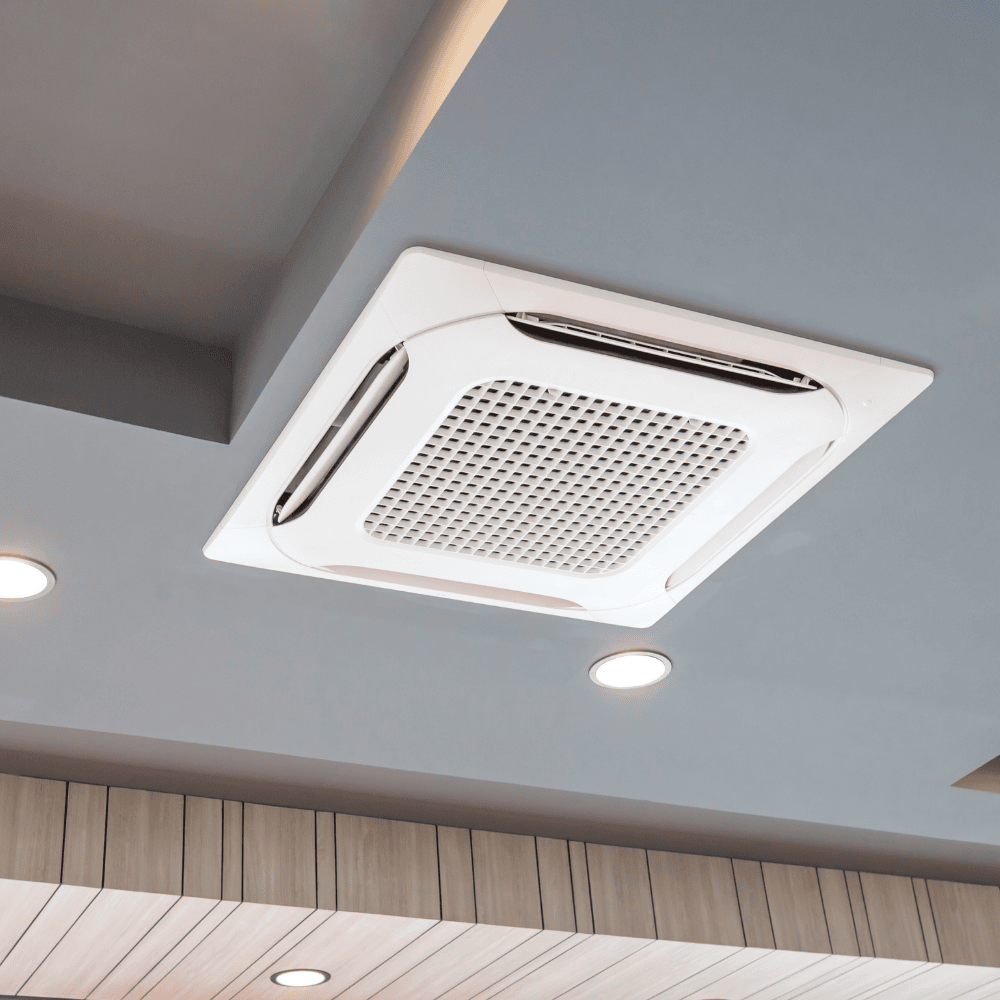
Proper AC installation in Tampa homes enhances airflow, humidity control, and overall indoor air quality.
Why Indoor Air Quality Starts With Installation Decisions
Indoor air quality in Tampa homes is shaped long before filters are changed or maintenance plans begin. Installation choices made during AC replacement or new system installation determine how air moves, how moisture is managed, and how contaminants circulate throughout the living space. Tampa’s warm, humid environment places unique pressure on air conditioning systems, making them primary tools for managing not just temperature but also airborne particles, moisture, and biological growth. When installation focuses narrowly on cooling capacity, indoor air quality often suffers, with symptoms often hidden until they appear.
Many homeowners associate indoor air quality with add-on products like air purifiers or upgraded filters, but those components cannot compensate for installation flaws. Poorly designed airflow paths, improper system sizing, and inadequate sealing introduce dust, humidity, and pollutants into the air stream. Once those elements enter circulation, they spread throughout the home repeatedly. In Tampa, where systems run for much of the year, even minor installation oversights compound quickly. Indoor air quality outcomes trace directly back to how thoughtfully the system integrates with the home’s layout and environmental conditions.
System Sizing And Its Direct Effect On Air Quality
System sizing affects far more than comfort and energy usage. It plays a direct role in the effectiveness with which airborne contaminants are captured and removed. Oversized systems common in Tampa homes cool spaces rapidly, shortening run cycles and reducing the amount of air that passes through filtration. Short cycles limit the system’s ability to capture dust, pollen, and other particulates, allowing them to remain suspended in indoor air.
Undersized systems introduce a different set of air quality concerns. Constant operation can stir contaminants continuously without adequate filtration recovery, especially if airflow rates are mismatched. Correct sizing balances runtime and airflow to allow consistent air exchange through filters and coils. In Tampa’s climate, where windows stay closed for long stretches, the AC system becomes the primary mechanism for air circulation and filtration. Improper sizing alters that balance and influences how clean or stagnant indoor air feels over time.
Duct Design And Contaminant Distribution
Ductwork design has a profound impact on indoor air quality because ducts serve as the distribution network for everything the system moves. In Tampa homes, duct systems often run through attics where heat, humidity, and dust dominate. Installation practices that leave gaps, poorly sealed joints, or uninsulated sections allow contaminants from those spaces to enter the air stream. Once inside the ducts, those particles circulate through living areas repeatedly.
Even new AC equipment cannot offset poorly designed duct systems. Leaks pull in attic dust, insulation fibers, and humid air that promote microbial growth inside the ducts. Over time, homeowners may notice persistent dust accumulation, allergy symptoms, or musty odors without realizing the source lies above the ceiling. Proper duct installation emphasizes sealing, insulation, and thoughtful routing to limit exposure to contaminants. In Tampa, where attic conditions remain harsh year-round, duct integrity directly affects the quality of air delivered into occupied spaces.
Return Air Placement And Air Mixing Quality
Return air placement determines how efficiently the system captures air from different areas of the home. Poor return placement leaves pockets of stagnant air where pollutants accumulate. In Tampa homes, moisture, cooking byproducts, and everyday particulates concentrate in high-use areas like kitchens, living rooms, and bathrooms. When return pathways fail to draw air evenly from these spaces, contaminants linger longer than they should.
Installation decisions that prioritize convenience over air mixing create pressure imbalances. Those imbalances pull outdoor air through gaps and cracks, introducing additional pollutants and humidity. Effective return placement supports balanced air movement that continuously refreshes indoor air. In Tampa’s climate, where outdoor air is high in moisture, controlling where and how air enters the system is essential for maintaining healthy indoor conditions.
Moisture Control As A Foundation For Clean Air
Moisture plays a central role in indoor air quality, particularly in Tampa. AC systems remove moisture as they cool, but only when installation supports proper airflow and drainage. Systems that cool too quickly or operate with improper fan settings fail to remove enough moisture from the air. Elevated indoor humidity encourages mold growth, dust mite activity, and microbial contamination, all of which degrade air quality.
Installation choices influence moisture removal efficiency. Coil selection, airflow speed, and condensate drainage design determine how effectively moisture exits the system. When water lingers in drain pans or ducts, it becomes a source of airborne contamination. Homeowners often associate mold or odors with cleanliness issues, but the root cause frequently lies in moisture mismanagement established during installation. In Tampa, controlling moisture through thoughtful AC design forms the backbone of healthy indoor air.
Filtration Capability And Airflow Compatibility
Filtration effectiveness depends on how well filters integrate with airflow design. Installing high-efficiency filters without adjusting airflow often reduces system performance and creates bypass issues where air slips around the filter rather than passing through it. In Tampa homes, where systems run continuously, a poor filtration setup allows dust and allergens to circulate freely.
Proper installation aligns filter selection with blower capacity and duct design. Adequate filter housing seals prevent unfiltered air from entering the system. Homeowners frequently upgrade filters after installation, but if the system was not designed to support higher resistance, those upgrades may backfire. Indoor air quality improves when filtration and airflow work together rather than competing. Installation decisions set those parameters long before homeowners consider aftermarket improvements.
The Interaction Between Building Envelope And Installed Systems
The building envelope defines how indoor air interacts with outdoor conditions. In Tampa, uncontrolled infiltration introduces pollen, vehicle emissions, humidity, and outdoor allergens that challenge indoor air quality. An AC installation that ignores envelope tightness often results in uneven pressure that pulls contaminants indoors through unintended pathways.
Proper installation considers how the system pressurizes and depressurizes the home during operation. Balanced airflow helps maintain stable indoor conditions, limiting infiltration. When installation overlooks these dynamics, the AC system inadvertently becomes a driver of pollution rather than a filter against it. Tampa homes benefit when installation aligns system performance with envelope characteristics, supporting cleaner, more stable indoor air throughout the year.
Equipment Placement And Indoor Contaminant Exposure
Where AC equipment sits inside the home influences indoor air quality in subtle ways. Air handlers installed in garages, attics, or mechanical closets interact with the surrounding air. In Tampa homes, garages often contain chemicals, vehicle exhaust residue, and stored materials that release airborne compounds. Poorly sealed equipment cabinets or return connections allow those contaminants to enter the system.
Installation practices that isolate equipment from polluted spaces reduce the risk of cross-contamination. Proper sealing, dedicated return pathways, and thoughtful placement protect indoor air from unintended exposure. Over time, even small leakage points introduce persistent low-level contamination that affects sensitive occupants. Equipment placement decisions made during installation carry long-term consequences for indoor air quality that maintenance alone cannot fully reverse.
Airflow Balance And Its Role In Pollutant Removal
Airflow balance determines whether airborne contaminants move efficiently toward filtration or linger in occupied spaces. In Tampa homes, imbalanced airflow often results from installation shortcuts that overlook damper adjustment and room-by-room delivery needs. When certain areas receive too much supply air while others receive too little, pressure differences form inside the home. Those pressure differences influence how pollutants move, sometimes trapping dust, pet dander, and moisture in low-traffic areas such as bedrooms, hallways, or closets.
Balanced airflow supports consistent air exchange across all rooms, allowing the system to pull contaminants back toward the return and through filtration continuously. Without balance, even a well-filtered system struggles to improve indoor air quality because polluted air never reaches the filter. Over time, stagnant zones develop odors, visible dust buildup, or moisture-related issues. In Tampa’s climate, where homes remain closed up for much of the year, airflow balance established during installation directly affects how clean and breathable indoor air remains as the system ages.
Ventilation Strategy And Fresh Air Integration
Ventilation plays a nuanced role in indoor air quality, especially in humid regions like Tampa. While introducing fresh air improves oxygen levels and reduces indoor pollutant concentrations, uncontrolled ventilation introduces moisture and outdoor contaminants, which strain the AC system. Installation decisions determine whether ventilation supports or undermines indoor air quality. Systems designed without a clear ventilation strategy often rely on incidental infiltration, which brings in unfiltered, humid air through cracks and gaps.
Purposeful ventilation integrates fresh air in controlled amounts, allowing the AC system to condition and filter it before distribution. An installation that includes proper intake placement and airflow coordination reduces indoor pollutant buildup without overwhelming moisture control capacity. Ignoring ventilation considerations during installation often leads to homes that feel stuffy during mild weather and overly humid during peak summer months. In Tampa, where outdoor air carries a significant moisture load, thoughtful ventilation design protects indoor air quality rather than compromising it.
Drainage Design And Airborne Contaminant Risk
Condensate drainage affects indoor air quality more than many homeowners realize. Moisture removed from the air collects within the system before being drained away. When installation results in a poor drainage slope, undersized lines, or limited access for cleaning, water remains inside the system longer than intended. Standing water supports microbial growth that releases spores and odors into the air stream.
In Tampa homes, drainage systems operate nearly year-round, making them especially vulnerable to buildup. Over time, microbial contamination inside drain pans or nearby insulation enters circulation each time the system runs. Homeowners may notice musty smells that persist despite filter changes or cleaning. Proper drainage design reduces moisture retention and limits biological growth at the source. Installation decisions regarding drainage often determine whether indoor air remains neutral or gradually degrades, leading to persistent odors and irritants.
Impact Of Fan Operation Settings On Air Quality
Fan operation settings influence how contaminants behave inside the system. Continuous fan operation circulates air even when cooling stops. In Tampa’s humid environment, that circulation can reintroduce moisture and contaminants back into living spaces. Condensation on coils may evaporate and redistribute rather than drain away fully, raising humidity and spreading odors.
Installation includes configuring fan behavior to match climate conditions and system design. Coordinated fan operation supports effective filtration and moisture removal. Improper configuration leads to air quality complaints that homeowners mistakenly attribute to filter choice or equipment defects. Understanding how fan settings interact with humidity and filtration helps maintain cleaner indoor air. In Tampa homes, fan configuration established during installation plays a quiet but persistent role in long-term air quality outcomes.
Long-Term Effects Of Installation Quality On Occupant Health
Indoor air quality influences comfort, sleep quality, respiratory health, and overall well-being. In Tampa, homes with long cooling seasons amplify the effects of installation quality because systems operate for extended periods. Poor installation leads to chronic exposure to humidity, particulates, and biological contaminants. These exposures often develop gradually, making them easy to overlook until health symptoms appear.
Installation done with air quality in mind supports healthier indoor environments by limiting contaminant circulation and controlling moisture consistently. Over years of operation, those benefits accumulate. Homeowners often focus on upfront cost without considering long-term health implications tied to installation quality. In Tampa’s climate, where indoor environments depend heavily on AC performance, installation choices quietly shape daily living conditions far beyond temperature control.
Adaptability Of Installed Systems As Homes Change
Homes change over time. Occupancy increases, renovations alter airflow, and lifestyle habits evolve. AC installation that allows for adaptability supports stable indoor air quality through those changes. Systems with limited airflow flexibility or poorly designed duct layouts struggle to accommodate new demands, leading to localized air quality issues.
In Tampa homes, additions or layout changes often expose installation limitations. Rooms added later may experience poor air circulation or humidity problems. Systems installed with balanced capacity and thoughtful distribution handle these changes more gracefully. Installation decisions that anticipate long-term use rather than immediate conditions help maintain indoor air quality as homes evolve.
FAQs
Installation determines airflow, moisture control, and filtration effectiveness. Poor sizing, leaky ducts, or improper drainage allow contaminants and humidity to circulate, reducing indoor air quality in Tampa’s humid climate.
Yes. If installed incorrectly, a new system can short cycle, trap moisture, or pull in contaminants from attics or garages, leading to dust, odors, and humidity issues.
High humidity supports mold, dust mites, and microbial growth. Proper AC installation enables consistent moisture removal, helping limit biological contaminants in indoor air.
Duct design and sealing directly affect air quality. Leaks and poor insulation introduce dust and humidity that circulate regardless of equipment age.
Filtration helps, but it cannot overcome airflow, moisture, or installation flaws. Indoor air quality improves most when filtration is integrated into a properly designed and installed system.
CMB Air is a residential heating and cooling installation, service, and repair company with 15+ years of experience serving Tampa and surrounding areas. If you need AC repairs and maintenance, AC installation, ductless AC installation, ductless AC repair, GREE ductless mini-split systems, Fujitsu mini-split systems, and Durastar mini-split systems, we can help! We ensure that your system works efficiently when needed. State licensed, insured, and bonded. Call today!
