
How to Reduce Allergens with Proper AC Installation in Tampa
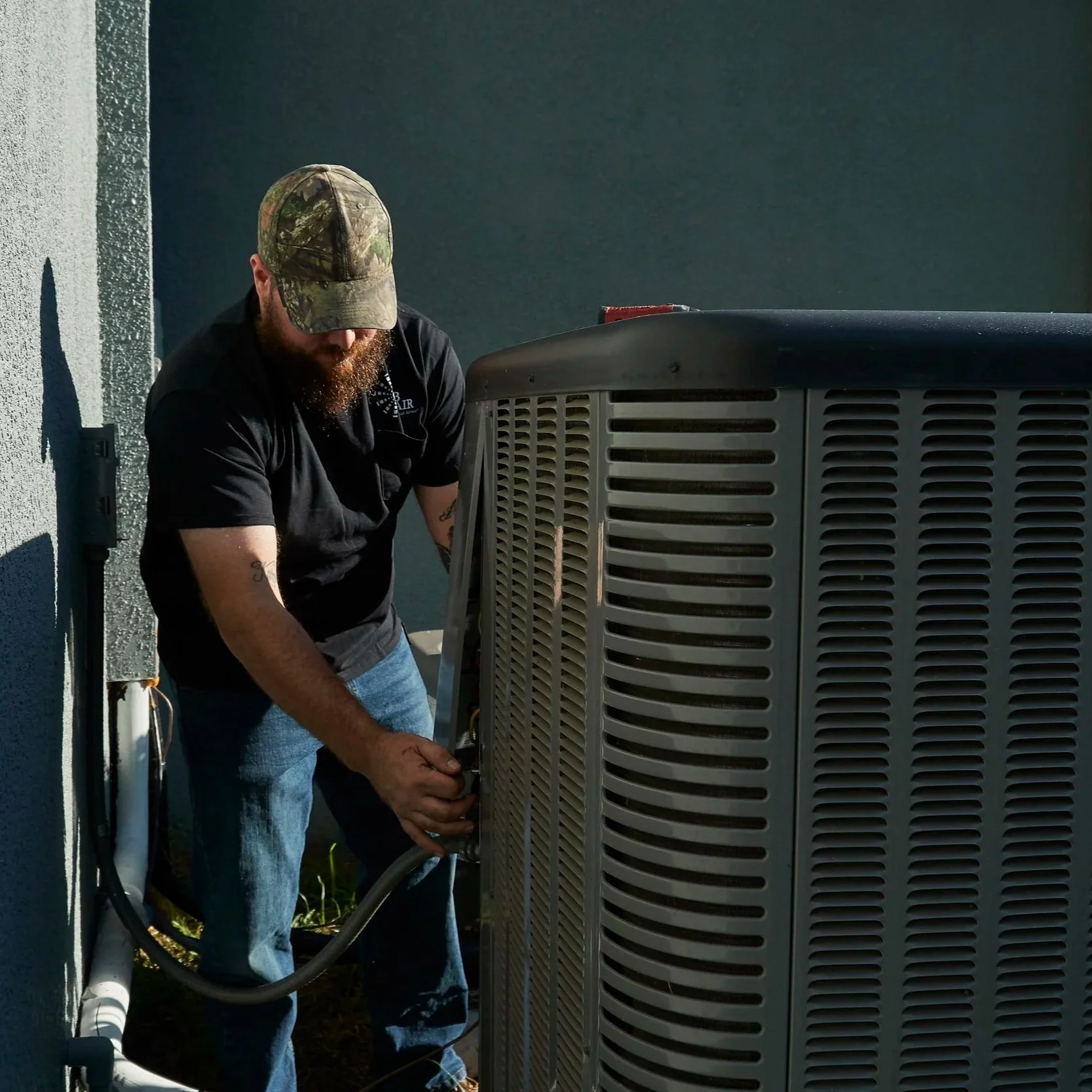
AC system installed in a Tampa home, highlighting proper ductwork and airflow to reduce allergens and improve indoor air quality.
Why Allergen Control Starts At The Installation Stage
Allergen problems in Tampa homes often get blamed on outdoor pollen or seasonal changes, but the foundation for indoor allergen control begins with how the air conditioning system is installed. In a climate where homes stay sealed for much of the year, the AC system becomes the primary pathway for air movement, filtration, and circulation. Every decision made during installation influences how dust, pollen, pet dander, mold spores, and other airborne irritants behave once they enter the home. When installation focuses solely on cooling capacity, allergen control often suffers, becoming noticeable only after occupants experience symptoms.
Improper installation allows allergens to bypass filtration, settle in stagnant areas, or circulate continuously without being effectively removed. Leaky duct connections draw in attic dust and insulation particles. Poor airflow design leaves rooms under-circulated, allowing allergens to linger longer than they should. Oversized systems cycle too quickly to pull particles through filters consistently. In Tampa, where humidity amplifies the growth of biological allergens, these issues compound rapidly. Reducing allergens begins by treating AC installation as an air quality system design process rather than a simple equipment swap.
System Sizing And Its Impact On Allergen Removal
System sizing plays a central role in reducing allergens because it determines how long air travels through the filtration system during each cycle. In Tampa homes, oversized systems remain a common installation mistake. These systems cool spaces quickly, shutting off before enough air passes through the filter to capture airborne particles effectively. As a result, allergens remain suspended in living spaces rather than being removed gradually through repeated filtration.
Properly sized systems run longer cycles at lower output levels, which improves allergen capture without creating drafts or uneven temperatures. Longer runtime increases the volume of air passing through the filter, improving overall particulate removal. Undersized systems introduce a different challenge by running constantly, which can stir allergens continuously if airflow and filtration are mismatched. Correct sizing balances runtime, airflow velocity, and filter performance to support steady allergen reduction. In Tampa’s environment, where allergen exposure remains high for much of the year, sizing decisions made during installation strongly influence daily indoor air quality.
Duct Sealing And Protection Against Outdoor Allergens
Ductwork acts as both a delivery system and a potential entry point for allergens. Tampa homes often have ducts routed through attics where dust, pollen, and insulation fibers accumulate. Poorly sealed duct joints allow these particles to enter the air stream, bypassing filtration entirely. Once inside the ducts, allergens circulate through the home repeatedly, settling on surfaces and aggravating respiratory symptoms.
Proper duct sealing during installation reduces allergen infiltration at the source. Mastic sealed joints, properly fastened connections, and insulated duct surfaces limit exposure to contaminated attic air. Duct design also matters. Sharp bends, sagging sections, and poorly supported runs create areas where dust accumulates and later becomes airborne again when airflow changes. An installation that treats ductwork as a critical component of allergen control provides long-term benefits that no filter upgrade can fully compensate for later.
Return Air Design And Allergen Capture Efficiency
Return air placement determines how effectively allergens are pulled back into the system for filtration. In many Tampa homes, return placement prioritizes convenience over airflow logic. Returns located far from high activity areas allow allergens to settle rather than circulate back toward the filter. Kitchens, living rooms, and bedrooms generate most indoor allergens through daily activity, yet poor return design often leaves these areas underserved.
Effective return design supports balanced air movement that continuously draws airborne particles toward filtration. Poor return placement creates pressure imbalances that pull outdoor air through cracks and gaps, introducing pollen and dust into the home. Over time, those pressure-driven pathways undermine allergen control regardless of filter quality. Installation decisions that prioritize even return coverage across living spaces help maintain consistent air movement and improve allergen removal throughout the home.
Humidity Control And Allergen Growth In Tampa Homes
Humidity management directly affects allergen levels, especially biological allergens such as mold and dust mites. Tampa’s climate presents a constant moisture challenge, and AC systems serve as the primary tool for humidity control. Installation practices that fail to support proper moisture removal create environments where allergens thrive. Systems that cool too quickly or operate with improper airflow remove less moisture, leaving indoor humidity elevated even when temperatures feel comfortable.
Elevated humidity encourages mold growth in ducts, air handlers, and building materials. Dust mite populations increase as moisture levels rise. Proper installation balances airflow and cooling to support steady moisture removal. Coil selection, airflow speed, and condensate drainage all influence how effectively moisture exits the system. In Tampa homes, allergen reduction depends heavily on installation that treats humidity control as equally important as temperature control.
Filter Integration And Airflow Compatibility
Filters only reduce allergens when air passes through them correctly. Installation sets the parameters that determine whether filtration works as intended. Improperly sized filter racks, poor sealing around filter housings, and airflow mismatches allow air to bypass the filter entirely. In Tampa homes, where systems operate frequently, bypassed air means continuous allergen circulation.
High-efficiency filters installed without airflow consideration often create new problems. Excessive resistance reduces airflow, causing pressure imbalances that pull allergens from unintended sources. Proper installation aligns filter selection with blower capacity and duct design. Tight-fitting filter housings prevent bypass, and airflow tuning supports effective filtration without stressing the system. Reducing allergens depends on filtration working as part of an integrated system rather than an isolated upgrade.
Equipment Placement And Allergen Exposure Risks
Where AC equipment is located within the home influences allergen exposure in subtle yet important ways. Air handlers installed in garages, attics, or utility closets interact with the surrounding air. In Tampa homes, garages often contain pollen-coated vehicles, lawn chemicals, and stored items that release particulates. Poorly sealed equipment cabinets allow these contaminants to enter the air stream.
Installation practices that isolate equipment from polluted spaces reduce allergen intrusion. Proper cabinet sealing, dedicated return pathways, and thoughtful equipment placement limit cross-contaminationn. Over time, even minor leakage points introduce allergens repeatedly, affecting sensitive occupants. Equipment placement decisions made during installation shape allergen exposure patterns long after the system begins operating.
Building Envelope Interaction With Installed Systems
The building envelope determines how outdoor allergens enter the home. In Tampa, pollen and dust infiltrate through gaps around doors, windows, and attic penetrations. An AC installation that creates pressure imbalances exacerbates infiltration by drawing outdoor air into the building. Poor airflow balance creates negative pressure zones that continuously draw allergens through the envelope.
Well-designed installations support balanced pressure that limits unintended infiltration. Sealing improvements coordinated with AC installation help stabilize indoor conditions and reduce allergen entry points. When installation ignores envelope dynamics, even advanced filtration struggles to overcome constant allergen intrusion. In Tampa’s climate, reducing allergens requires coordination between system design and the home's interaction with outdoor air.
Airflow Balance And Continuous Allergen Circulation Control
Airflow balance plays a critical role in determining whether allergens are steadily removed or repeatedly redistributed throughout a Tampa home. When airflow remains uneven, certain rooms receive strong supply air while others experience weak circulation. Those low circulation zones allow allergens to settle on surfaces, fabrics, and in wall cavities. Over time, normal activities such as walking, opening doors, or adjusting vents reintroduce those particles into the air, creating a cycle in which allergens never fully leave the living space.
Balanced airflow supports consistent air movement that carries allergens back toward the return and through filtration repeatedly. Achieving that balance requires intentional damper adjustments, correct duct sizing, and thoughtful register placement during installation. Homes installed without airflow balancing often experience rooms that feel stuffy or dusty despite frequent cleaning. In Tampa’s environment, where allergen exposure remains high year-round, airflow balance established during installation determines whether allergen levels slowly decline or remain persistently elevated across different areas of the home.
Ventilation Strategy And Outdoor Allergen Management
Ventilation affects allergen levels in complex ways, especially in Tampa, where outdoor air carries pollen and humidity throughout much of the year. An installation that relies on uncontrolled infiltration allows outdoor allergens to enter the home through cracks, gaps, and attic pathways. That infiltration bypasses filtration and introduces pollen directly into living spaces. Homeowners often misinterpret this as a seasonal issue rather than an airflow problem caused by the installation.
Purposeful ventilation strategies introduce outdoor air in controlled quantities and at controlled locations, where it can be filtered and conditioned before distribution. An installation that includes properly placed intake points and airflow coordination limits allergen entry while still supporting healthy air exchange. Without a defined ventilation approach, AC systems inadvertently draw in allergens whenever pressure imbalances occur. In Tampa homes, managing how outdoor air enters the system protects indoor air quality and reduces allergen accumulation over time.
Condensate Drainage And Biological Allergen Prevention
Moisture management inside the AC system influences allergen levels more than most homeowners realize. Condensate drains remove water extracted from the air, but installation flaws often allow moisture to linger. Standing water in drain pans, poorly sloped drain lines, or restricted drainage paths create environments where mold and bacteria grow. Those organisms release spores and byproducts that circulate through the home as airborne allergens.
Tampa’s persistent humidity keeps drainage systems active most of the year, increasing the importance of proper design. An installation that provides adequate slope, access for maintenance, and reliable drainage reduces biological allergen sources at their origin. Homeowners may notice musty odors or irritation without understanding that the cause lies within the drainage system. Proper condensate management established during installation plays a quiet but essential role in reducing long-term allergen exposure.
Fan Operation Settings And Allergen Redistribution
Fan operation settings influence how allergens behave inside the system. Continuous fan operation circulates air even when cooling stops. In Tampa’s humid climate, that circulation can redistribute allergens rather than removing them. Dust, pollen, and microbial particles that settle on coils or inside ducts may reenter the living space repeatedly when the fan runs independently of cooling cycles.
Installation includes configuring fan behavior to align with climate conditions and system design. Coordinated fan operation supports filtration and moisture removal together. Improper fan settings create air movement without adequate capture, allowing allergens to persist. Homeowners often adjust fan settings without understanding these dynamics, but the foundation for proper operation begins during installation. Correct configuration supports allergen reduction by controlling when and how air moves through the system.
Occupancy Patterns And Allergen Load Management
Daily living contributes significantly to indoor allergen levels. Pets shed dander, occupants track pollen indoors, and normal activities stir settled particles. In Tampa homes, where windows remain closed for long periods, AC systems handle nearly all air circulation. An installation that supports steady filtration and airflow helps manage these internally generated allergens effectively.
Homes with higher occupancy or pets place greater demand on allergen control systems. An installation that fails to account for these factors often struggles to maintain air quality under real conditions. Balanced airflow, proper filtration integration, and humidity control work together to manage allergen loads introduced by daily life. In Tampa’s climate, where allergens persist year-round, installation decisions determine how well the system adapts to changing occupancy patterns.
Long-Term Health Implications Of Installation Quality
Allergen exposure affects comfort, sleep quality, and respiratory health over time. In Tampa homes, extended AC operation magnifies the effects of installation quality because air recirculates continuously. Poor installation leads to chronic exposure to allergens that accumulate slowly and persistently. These conditions often go unnoticed until symptoms worsen or medical concerns arise.
Installation focused on allergen control supports healthier indoor environments by limiting circulation of irritants and supporting consistent removal. Over years of operation, these benefits compound, improving overall indoor air quality stability. Homeowners often focus on upfront cost rather than long-term health outcomes, but installation quality quietly shapes daily living conditions in ways that extend far beyond temperature comfort.
FAQs
Installation determines airflow, filtration effectiveness, humidity control, and how outdoor air enters the home. Poor installation allows allergens to bypass filters and circulate, increasing exposure in Tampa’s humid climate.
Yes. Proper sizing, sealed ductwork, balanced airflow, and effective moisture control help capture and remove allergens more consistently, improving indoor air quality.
High humidity supports mold growth and dust mite activity. AC systems that remove moisture effectively help limit biological allergens in Tampa homes.
Yes. Leaky or poorly insulated ducts introduce dust and pollen from attic spaces. Proper duct installation and sealing reduce allergen entry significantly.
Filters help, but they cannot overcome poor airflow, moisture issues, or installation flaws. Allergen reduction works best when filtration supports a properly installed system.
CMB Air is a residential heating and cooling installation, service, and repair company with 15+ years of experience serving Tampa and surrounding areas. If you need AC repairs and maintenance, AC installation, ductless AC installation, ductless AC repair, GREE ductless mini-split systems, Fujitsu mini-split systems, and Durastar mini-split systems, we can help! We ensure that your system works efficiently when needed. State licensed, insured, and bonded. Call today!
