How to Care for Your New AC After Installation in Tampa
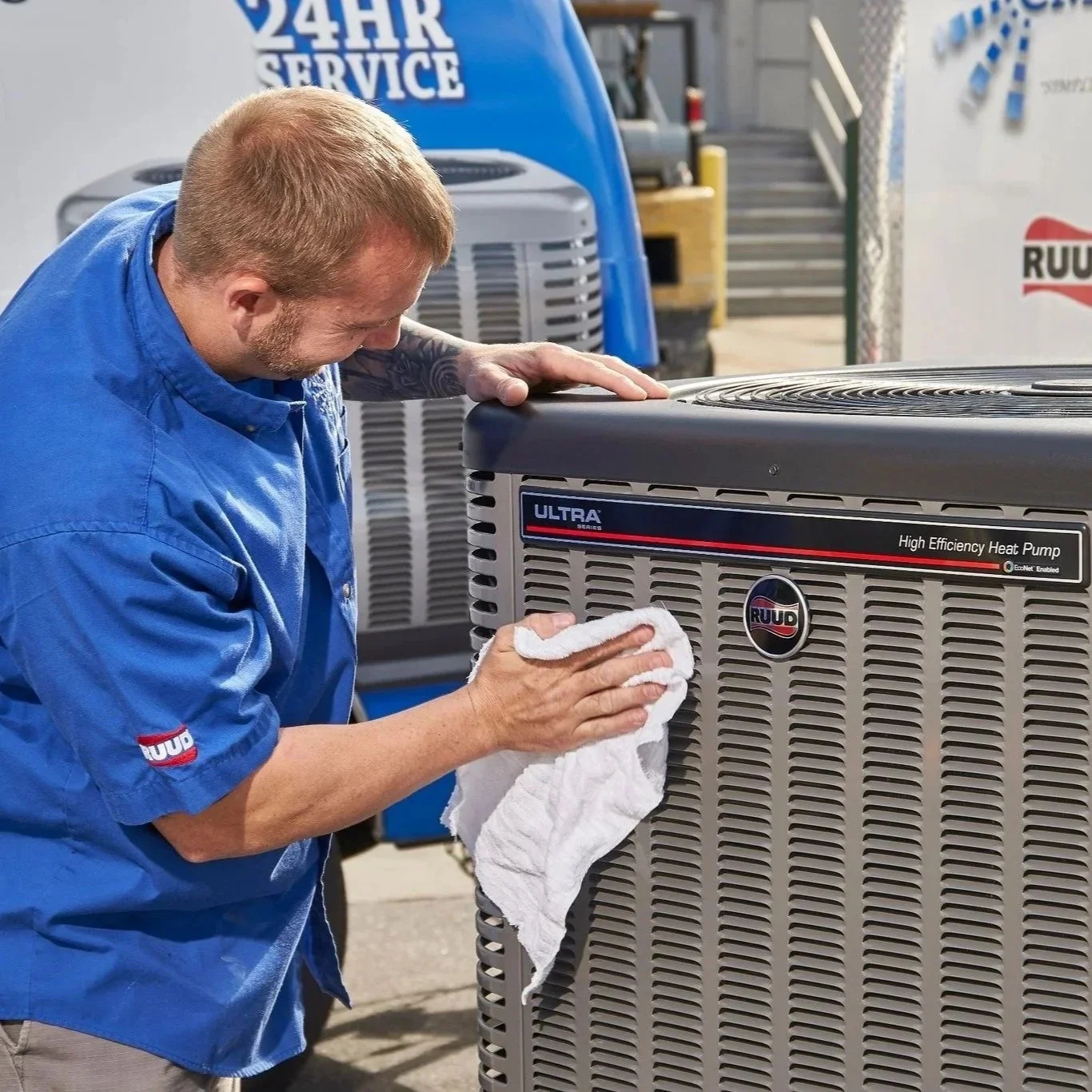
Optimizing comfort: Proper care and monitoring ensure your new AC delivers efficient cooling in Tampa homes.
Understanding What Changes After A New AC Installation In Tampa Homes
A newly installed air conditioning system changes how a home behaves, especially in Tampa, Florida, where heat and humidity place constant demand on cooling equipment. Many homeowners expect a new system to function like the old one, just colder and quieter, but modern AC systems operate differently by design. Higher efficiency equipment often runs longer cycles at lower output levels, manages humidity more actively, and responds more precisely to thermostat signals. Those differences improve comfort and energy performance, but they also require homeowners to adjust habits and expectations during the first weeks and months of operation.
Early operation sets the tone for long-term performance. During the initial break-in period, components settle, airflow stabilizes, and the system begins responding to the home's specific heat load. Tampa homes present unique challenges during this phase because attic heat, solar gain, and moisture levels fluctuate daily. Paying attention to how the system cycles, how humidity feels indoors, and how airflow distributes across rooms helps identify minor issues early, before they develop into comfort complaints or efficiency losses that linger for years.
Monitoring System Performance During The First Cooling Season
The first cooling season after installation offers valuable insight into how well the system matches the home. Tampa summers push air conditioners to run for extended periods, revealing strengths and weaknesses that mild weather can mask. Homeowners should observe temperature consistency from room to room, how quickly the system recovers after doors open, and whether indoor humidity remains controlled during long run cycles. Subtle signs, such as uneven cooling or persistent clammy air, often point to airflow-balancing issues rather than equipment defects.
Monitoring does not require technical expertise, only attention. Thermostat data, run times, and comfort patterns tell a story about how the system performs under real conditions. Many newer thermostats provide usage insights that highlight trends over time. Reviewing these patterns helps homeowners recognize normal operation versus emerging concerns. In Tampa, where AC usage rarely pauses for long, small inefficiencies compound quickly. Early awareness allows for minor adjustments that preserve efficiency and comfort throughout the system’s lifespan.
Maintaining Proper Airflow And Filter Practices
Airflow management is central to caring for a new AC system. High-efficiency equipment relies on consistent airflow to regulate temperature and humidity correctly. In Tampa homes, where dust, pollen, and humidity are constant factors, air filters load faster than many homeowners expect. A clogged filter restricts airflow, increases system strain, and undermines moisture removal, often leading to uneven cooling and elevated energy use.
Filter maintenance should align with the home’s environment and occupancy rather than a generic schedule. Homes with pets, high foot traffic, or nearby construction often require more frequent filter changes. Paying attention to the filter condition during the first few months helps establish a realistic maintenance rhythm. Airflow issues left unaddressed early can cause long-term wear on blower components and coils, gradually eroding system performance even though the equipment remains relatively new.
Understanding Thermostat Behavior And Setpoint Strategy
Modern thermostats behave differently from older mechanical models, and learning how to work with them improves system care. In Tampa’s climate, frequent manual temperature adjustments often reduce efficiency rather than improve comfort. New AC systems perform best when allowed to maintain steady indoor conditions rather than chasing rapid temperature swings. Large setpoint changes force the system to run aggressively, increasing humidity challenges and energy demand.
Establishing a thoughtful setpoint strategy helps balance comfort and performance. Gradual adjustments, consistent daytime settings, and moderate nighttime setbacks support stable operation. Smart thermostats can assist by learning usage patterns and responding to outdoor conditions, but they still depend on homeowner input. Understanding how the thermostat communicates with the system helps avoid habits that unintentionally stress components or create comfort inconsistencies over time.
Managing Humidity In Tampa’s Climate After Installation
Humidity control represents one of the most important aspects of AC care in Tampa. New systems often improve moisture removal compared to older equipment, but they still rely on correct operation and airflow to perform effectively. Homeowners sometimes misinterpret longer run times as inefficiency, when in reality the system is actively managing indoor humidity while maintaining temperature. That extended operation supports comfort and protects building materials from moisture-related issues.
Supplemental moisture sources also influence performance. Frequent door openings, unvented bathrooms, and indoor drying activities all introduce humidity that the system must remove. Understanding how daily habits affect indoor moisture helps homeowners work with the system rather than against it. Allowing the AC to operate steadily during humid periods prevents short cycling and supports consistent moisture control, which protects both comfort and equipment health.
Protecting The Outdoor Unit From Environmental Stress
The outdoor condenser is constantly exposed to Tampa’s environmental conditions. Heat, rain, salt air in coastal areas, and debris all affect long-term performance. Caring for a new AC includes maintaining clear airflow around the outdoor unit and monitoring for the accumulation of leaves, grass clippings, or mulch. Restricted airflow around the condenser reduces heat rejection, forcing the system to work harder and raising operating pressures.
Homeowners should also remain mindful of landscaping changes after installation. New plants or fencing placed too close to the unit can gradually compromise airflow without immediate symptoms. Regular visual checks help catch these issues early. Tampa’s intense sun exposure also accelerates wear on exterior components, making shade placement and clearance considerations part of responsible system care over time.
Recognizing Normal Sounds And Early Warning Signs
New air conditioning systems often sound different than older ones, and understanding those differences helps homeowners avoid unnecessary concern. Variable-speed blowers, advanced compressors, and electronic controls introduce unfamiliar but normal operating sounds. Soft hums, gradual ramping noises, and extended low-level operation reflect efficient design rather than malfunction.
At the same time, certain sounds warrant attention. Rattling, grinding, or sudden changes in operating noise can indicate loose components or airflow issues that benefit from early correction. Tampa’s long cooling seasons amplify wear when minor issues persist unchecked. Paying attention to changes rather than isolated sounds helps distinguish between normal operation and emerging concerns that deserve professional evaluation.
Scheduling Follow-Up Service And Ongoing Professional Care
Post-installation care extends beyond homeowner observation. Follow-up service appointments allow technicians to verify system performance under real operating conditions. Many installers recommend a check within the first year to confirm refrigerant levels, airflow balance, and control settings. In Tampa, where systems run nearly year-round, that early verification helps lock in performance before minor drift affects efficiency.
Ongoing professional maintenance supports long-term reliability. Regular inspections identify coil buildup, electrical wear, and airflow changes that homeowners cannot easily detect. Establishing a maintenance relationship early helps preserve efficiency gains achieved through the new installation. Caring for a new AC system involves a partnership between homeowner habits and professional oversight, especially in a demanding climate like Tampa, Florida.
Managing Electrical And Drainage Components After Installation
Electrical and drainage components are rarely given attention by homeowners after a new AC installation, yet they play a major role in system stability in Tampa homes. Condensate drains remove moisture pulled from the air, and in a humid climate, those drains remain active year-round. Algae growth, sediment buildup, or slight installation misalignment can cause slow drainage, leading to overflow issues. Homeowners may notice damp areas near the indoor unit or intermittent system shutdowns triggered by safety switches, both of which signal drainage problems rather than cooling failures.
Electrical connections also settle during the first year of operation. Temperature fluctuations, vibration, and continuous run cycles can loosen connections or expose marginal wiring issues that did not present immediately after installation. Paying attention to breaker behavior, system restarts, or unusual shutdowns helps identify electrical concerns early. Tampa homes often experience power fluctuations during summer storms, which places additional stress on AC electrical components. Regular visual checks and professional follow-ups help maintain stable operation and prevent minor electrical or drainage issues from escalating into system interruptions.
Adapting Household Habits To Support System Longevity
Daily household habits influence how well a new AC system performs over time. In Tampa, lifestyle patterns such as frequent door openings, extended cooking periods, or indoor gatherings introduce heat and moisture loads that the system must manage. New air conditioners handle these loads efficiently when allowed to operate consistently, but abrupt changes in indoor conditions challenge performance. Homeowners who understand how activities affect cooling demand can adjust habits to support smoother operation.
Simple practices like using kitchen exhaust fans, closing doors during peak heat, and coordinating thermostat adjustments with activity levels help the system maintain balance. Over time, these habits reduce strain on compressors and blowers, extending equipment life. Caring for a new AC involves recognizing that comfort results from the interaction between the system and the home environment, not just the equipment itself. In Tampa’s climate, where cooling never truly pauses, minor habit adjustments accumulate into meaningful performance benefits.
Understanding How Weather Patterns Affect AC Operation
Tampa weather patterns shift throughout the year, and new AC systems respond differently across seasons. Afternoon thunderstorms, sudden humidity spikes, and extended heat waves all influence run times and performance. Homeowners may notice longer operation on overcast but humid days, reflecting moisture-removal demands rather than temperature control alone. Understanding these patterns prevents misinterpretation of normal behavior as inefficiency.
Seasonal transitions also reveal how well the system adapts to varying loads. Mild winter days may result in shorter cycles, while shoulder seasons combine humidity with moderate temperatures that challenge comfort balance. Observing how the system responds across these conditions builds familiarity and confidence in its operation. Tampa’s variable weather tests AC systems more thoroughly than climates with distinct cooling seasons, making awareness a key part of long-term care.
Preserving Duct Integrity After A New Installation
Ductwork is often upgraded or adjusted during AC installation, and preserving those improvements supports system efficiency. In Tampa homes, ducts often run through hot attics, where temperature extremes and humidity can stress seals and insulation. Over time, vibration and thermal expansion can loosen connections or degrade tape and sealants. Homeowners benefit from periodic visual checks for displaced insulation or disconnected sections near accessible areas.
Airflow imbalances sometimes emerge months after installation as ducts settle or dampers shift. Rooms that gradually feel warmer or cooler than others often indicate duct-related changes rather than equipment problems. Addressing these issues early maintains balanced airflow and prevents the system from compensating by running longer. Caring for duct integrity protects both comfort and efficiency, especially in a climate where cooling demand rarely subsides.
Protecting The System During Storms And Power Events
Storm activity plays a major role in AC system care in Tampa. Lightning, power surges, and brief outages place stress on electronic components. Homeowners should understand how their system behaves during and after power interruptions. Allowing the system to restart naturally rather than forcing immediate operation reduces electrical stress. Surge protection devices offer additional protection for sensitive controls and compressors, especially in areas prone to frequent storms.
Outdoor units are also subject to physical exposure during severe weather. High winds can introduce debris that damages fins or obstructs airflow. After storms, visual inspections help identify issues before they affect performance. Storm awareness becomes part of responsible AC care in Tampa, where weather events occur regularly throughout the cooling season.
Planning Long-Term Maintenance From The First Year Forward
Long-term AC care begins during the first year after installation. Establishing a maintenance schedule early helps preserve efficiency and detect gradual changes before they affect comfort. Professional inspections address coil cleanliness, electrical stability, refrigerant balance, and airflow consistency. In Tampa’s demanding environment, annual or semi-annual service supports reliable operation and extends the system's lifespan.
Maintenance also provides an opportunity to recalibrate homeowner expectations. As homes age, insulation settles, landscaping changes, and occupancy patterns evolve. Regular service helps adapt system operation to these changes. Caring for a new AC is an ongoing process that blends professional expertise with homeowner awareness, particularly in a climate that challenges cooling systems year-round.
FAQs
Filter replacement frequency depends on household conditions, but many Tampa homes require replacement every 1 to 2 months due to humidity, dust, and pollen. Checking the filter monthly during the first year helps establish a routine that supports proper airflow.
Longer run times are common with modern high-efficiency systems. These systems operate at lower output levels for extended periods to better manage temperature and humidity, especially in Tampa’s climate.
Frequent manual adjustments often reduce efficiency. New systems perform best with stable setpoints that allow steady operation rather than rapid temperature changes throughout the day.
Persistent uneven cooling, unusual noises that change over time, repeated drainage issues, or frequent system shutdowns warrant professional evaluation. Early attention prevents minor issues from developing into long-term problems.
Professional maintenance remains important even during the first year. Follow-up service confirms proper operation under real conditions and helps maintain efficiency and reliability in Tampa’s demanding climate.
