Heating Troubles? Expert Repairs Restore the Warmth
Professional HVAC repair services diagnose and resolve heating issues efficiently, restoring warmth and preventing costly breakdowns.
A properly functioning heating system is critical for maintaining indoor comfort, particularly during the colder months. When a system begins to show signs of malfunction, addressing the issue promptly prevents further complications. Delayed repairs often result in increased energy consumption, uneven heating, and potential system failures. Professional HVAC repair services diagnose and resolve heating issues efficiently, restoring warmth and preventing costly breakdowns.
Signs That Indicate a Heating System Needs Repairs
A heating system rarely fails without warning. Subtle changes in performance often signal underlying issues that require immediate attention. Reduced airflow, inconsistent temperatures, or an unresponsive thermostat suggest problems within the system. Unusual noises such as banging, rattling, or squealing may indicate mechanical wear or component failure.
An unexplained rise in energy bills can also point to inefficiencies in the heating system. A unit that works harder than necessary to maintain the desired temperature consumes excess energy, leading to higher costs. Unpleasant odors, such as burning smells or musty scents, suggest electrical problems or moisture buildup within the unit. Identifying these warning signs early prevents extensive HVAC repair needs and system failure.
Common Causes of Heating System Malfunctions
A variety of factors contribute to heating system breakdowns. Clogged or dirty air filters limit airflow, causing the system to work harder to distribute warm air. A malfunctioning thermostat leads to inaccurate temperature readings, resulting in frequent cycling or inadequate heating.
Worn-out components such as blower motors, heat exchangers, and ignition systems often contribute to performance issues. Electrical problems, including faulty wiring, failing capacitors, or damaged relays, disrupt regular operation. Leaking or blocked ductwork reduces efficiency by preventing warm air from reaching all areas of the space. Addressing these issues promptly through professional HVAC repair services restores optimal performance.
The Impact of Delayed Heating Repairs
Neglecting minor heating system issues often leads to more severe damage. A failing component that remains unchecked can cause strain on other parts of the system, leading to premature failure. A minor thermostat calibration issue, if left unaddressed, can make the system operate inefficiently, resulting in increased energy consumption.
Frequent cycling places unnecessary stress on heating elements and motors, reducing their lifespan. Over time, excessive wear on components can lead to costly HVAC repair needs or even premature replacement of the HVAC system. Timely intervention minimizes these risks, preserving both efficiency and reliability.
The Role of Airflow in Heating System Performance
Restricted airflow negatively affects the efficiency and effectiveness of a heating system. Blocked or leaking ductwork prevents warm air from circulating properly, causing uneven heating. Dirty or clogged filters limit the amount of air passing through the system, forcing it to work harder to maintain the desired temperature.
Proper duct sealing, regular filter replacement, and thorough system inspections help maintain consistent airflow throughout the system. Balanced airflow reduces unnecessary strain on the system, allowing it to heat spaces evenly while conserving energy. Addressing airflow-related issues during repairs prevents recurring problems and enhances overall system performance.
Thermostat Malfunctions and Temperature Control Issues
A thermostat plays a pivotal role in regulating indoor temperature. If the thermostat fails to register accurate readings, the system may not cycle correctly, leading to over- or under-heating. Wiring problems, sensor misalignment, or outdated technology are often the causes of thermostat malfunctions.
Upgrading to a programmable or smart thermostat boosts temperature regulation by adjusting heating levels according to occupancy patterns, allowing for more precise control. Proper thermostat calibration verifies that the heating system operates efficiently, reducing unnecessary energy consumption while maintaining a comfortable indoor environment.
Electrical Failures and Their Effect on Heating Systems
Electrical issues are a common cause of heating system failures. A damaged capacitor prevents the blower motor from starting, while a faulty relay can disrupt power flow to critical components. Loose connections or corroded wiring may result in intermittent operation or a complete system shutdown.
Professional HVAC repair services include a thorough inspection of all electrical connections, guaranteeing that wiring remains intact and properly secured. Testing voltage levels and replacing worn electrical components restores safe and reliable system operation. Preventive maintenance reduces the likelihood of electrical failures, keeping the system functioning efficiently.
The Importance of Addressing Furnace Ignition Problems
Gas furnaces rely on ignition components, such as pilot lights or electronic igniters, to initiate the heating process. A malfunctioning igniter prevents the furnace from producing heat, resulting in cold indoor spaces. Ignition failures may stem from sensor malfunctions, gas supply issues, or worn-out components.
Diagnosing and repairing ignition problems in gas heating systems requires expertise. HVAC professionals inspect flame sensors, ignition controls, and gas connections to verify proper functionality is restored. Addressing ignition concerns early prevents complete system failure and improves heating reliability.
The Connection Between Heating Efficiency and Regular Maintenance
Routine maintenance significantly reduces the risk of heating system malfunctions. Regular inspections identify minor issues before they escalate into major repair needs. Cleaning components such as burners, heat exchangers, and blower fans prevents buildup that reduces efficiency.
Lubricating moving parts, testing safety controls, and checking refrigerant levels in heat pumps contribute to consistent heating performance. Scheduling regular maintenance allows the system to operate at peak efficiency, lowering energy costs and preventing unexpected breakdowns.
Preventing Emergency HVAC Repairs Through Proactive Service
Heating system failures often occur at the most inconvenient times, particularly during extreme weather conditions. Emergency HVAC repairs can be expensive and disruptive, leaving occupants without adequate heating. Preventative service reduces the likelihood of sudden system breakdowns, offering peace of mind during colder months.
Inspecting ductwork, testing ignition components, and verifying thermostat functionality help identify potential problem areas. Addressing small inefficiencies before they lead to major malfunctions ensures continuous heating without unnecessary interruptions.
Long-Term Benefits of Professional Heating System Repairs
Restoring a heating system to peak performance requires expertise in diagnostics, component repair, and airflow optimization. Professional HVAC repair services address inefficiencies, prevent future breakdowns, and enhance energy efficiency. Reliable heating reduces utility expenses while maintaining indoor comfort throughout the season.
A well-maintained heating system operates smoothly, avoiding excessive wear and tear on essential components. Prompt attention to minor issues prevents costly system failures, extending the unit’s lifespan. Trusted professionals provide solutions tailored to the specific needs of each heating system, ensuring optimal functionality for years to come.
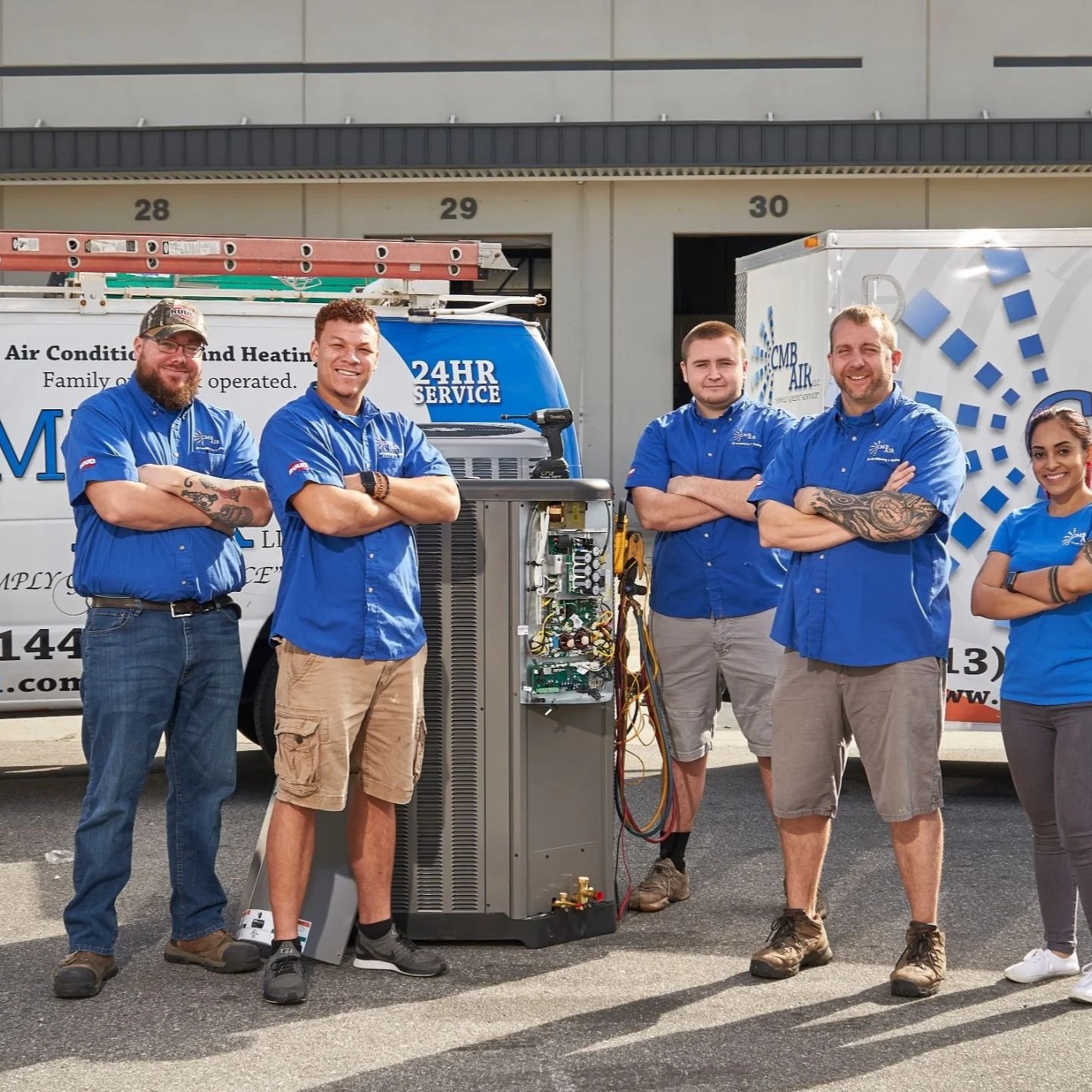
Call CMB Air when you need help with your heating system. We offer a wide variety of heating services ranging from HVAC replacement, HVAC blower motor, heating installation and replacement, and heating repair and maintenance to heat pump installation, heat pump repair, and heat pump replacement. As a family owned and operated full-service HVAC contractor, we provide quality maintenance and repair. State licensed, insured, and bonded. Get in touch with our experts.