
Is Duct Fogging Safe? Health and Environmental Considerations in Tampa, FL
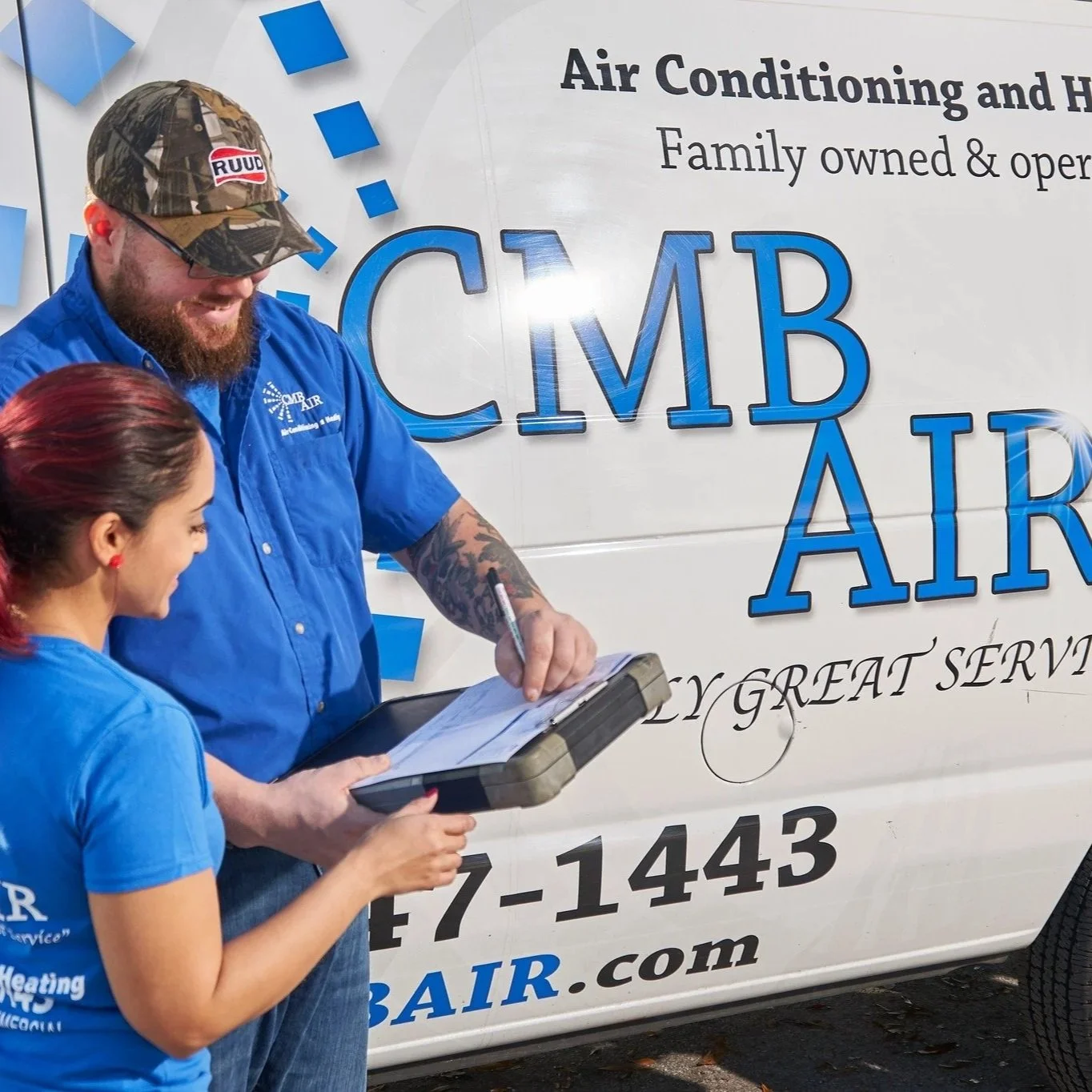
Duct fogging targets hidden surfaces inside HVAC systems, helping Tampa homeowners reduce odors, moisture-related microbes, and air-quality issues.
What Duct Fogging Involves Inside Modern HVAC Systems
Duct fogging is a process used in air conditioning systems to treat the interior surfaces of ductwork with a fine-mist solution. The fog is designed to travel with airflow, settling along duct walls, seams, and interior surfaces that remain inaccessible to physical cleaning tools. In Tampa, Florida, where HVAC systems operate year-round, duct interiors are repeatedly exposed to warm, moisture-laden air. Over time, that environment supports the growth of microbes, odor-causing residues, and organic buildup that may not always present as visible debris.
The safety conversation around duct fogging starts with understanding that the process does not involve filling living spaces with chemicals. Application occurs within the closed duct system while the HVAC fan circulates air in a controlled manner. The goal focuses on treating the air delivery pathway rather than the occupied space itself. Concerns often arise because fogging sounds invasive, yet the system remains sealed during treatment. Recognizing where fogging occurs and how limited its reach actually is helps clarify why safety depends more on product choice and execution than on the concept itself.
Types of Fogging Products and Their Intended Use
Fogging products used in HVAC systems vary widely in formulation and purpose. Some target microbial suppression, while others focus on odor neutralization or surface sanitation. Products approved for duct fogging undergo regulatory review for use in air-handling environments, distinguishing them from household disinfectants or surface sprays. In Tampa’s climate, products designed to address moisture-related contamination often receive greater attention due to the region’s humidity patterns.
Safety considerations begin with product selection. Certain solutions are formulated specifically for non-porous duct surfaces, while others accommodate lined or flexible ducts. Using a product outside its intended application increases the risk of residue buildup or irritation. Professional providers evaluate duct materials, system age, and environmental exposure before selecting a fogging agent. The chemical itself often receives blame when discomfort occurs, yet improper pairing between product and system usually plays a larger role in negative outcomes.
How Fogging Is Applied and Why Technique Matters
Application technique heavily influences both safety and effectiveness. Proper duct fogging uses controlled particle sizes that remain airborne long enough to distribute evenly without saturating duct interiors. In Tampa, homes with attic-based duct systems face legitimate concerns about excessive moisture introduction due to insulation exposure and heat. Skilled application avoids overuse by balancing airflow, pressure, and dwell time rather than relying solely on volume.
Fogging typically occurs while occupants are away from the space, allowing the system to circulate and clear residual mist before reentry. Ventilation cycles following treatment help stabilize indoor air before normal occupancy resumes. Problems arise when fogging is rushed, performed without system evaluation, or applied using consumer-grade equipment. Understanding that fogging relies on precision rather than saturation reframes safety discussions around execution quality instead of fear of the process itself.
Health Considerations for Occupants and Sensitive Individuals
Health concerns associated with duct fogging vary based on individual sensitivity, preexisting conditions, and adherence to proper protocols. Most occupants experience no noticeable reaction when fogging is performed correctly, and clearance guidelines are followed. In Tampa, Florida, tightly sealed, energy-efficient homes may require slightly longer ventilation periods to fully clear residual particles after treatment.
Individuals with asthma, chemical sensitivities, or compromised respiratory systems may experience irritation if reentry occurs too quickly or if unsuitable products are used. These reactions often present as throat irritation, headaches, or lingering odor perception rather than severe health effects. Clear communication between service providers and property owners helps tailor scheduling and ventilation to household needs. Safety improves significantly when fogging decisions account for occupant health rather than treating all spaces identically.
Environmental Considerations in a Humid Climate
Environmental impact remains a growing concern for homeowners and businesses considering duct fogging. Tampa’s climate adds complexity because high humidity influences how long treatments remain active inside duct systems. Products designed for HVAC use typically degrade over time rather than persisting indefinitely. Environmental safety depends on controlled application that limits unnecessary chemical exposure while addressing contamination effectively.
Improper fogging can introduce moisture into insulation or duct liners, creating conditions that undermine environmental goals by encouraging future microbial growth. Conversely, well-executed fogging may reduce the need for repeated chemical treatments by addressing contamination at its source. Environmental responsibility hinges less on the concept of fogging and more on whether it is applied selectively and appropriately rather than routinely without cause.
Interaction Between Duct Fogging and Indoor Air Quality
Indoor air quality shifts following duct fogging often appear gradual rather than immediate. Occupants may notice reduced odor persistence or fewer musty smells during system operation. These changes reflect altered conditions inside the duct network rather than dramatic changes in airflow or temperature. In Tampa homes where humidity control fluctuates seasonally, maintaining these improvements depends heavily on ongoing system performance.
Fogging does not prevent new contaminants from entering through doors, windows, or outdoor air exchange. Instead, it modifies the condition of surfaces already inside the system. Safety discussions often conflate fogging with air freshening, yet fogging addresses a different layer of the air quality equation. Understanding this distinction helps property owners evaluate outcomes realistically rather than attributing unrelated air quality issues to the fogging process.
Regulatory Oversight and Industry Standards
Regulatory oversight plays an important role in ensuring duct fogging safety. Products approved for HVAC use must meet guidelines on toxicity, application methods, and intended environments. Reputable providers follow manufacturer instructions and industry best practices rather than improvising solutions. In Tampa’s competitive HVAC market, adherence to standards separates professional application from shortcuts that compromise safety.
Industry guidelines emphasize inspection before treatment, proper product selection, and communication with occupants. Fogging without assessing duct condition or system performance increases risk without improving results. Safety improves when fogging remains a targeted response rather than a default service. Recognizing the role of oversight and standards reinforces that duct fogging safety depends on disciplined execution rather than blind trust in products alone.
How System Condition Influences Safety Outcomes
The condition of the HVAC system influences how safely duct fogging can be performed. Leaky ducts, deteriorated insulation, or poorly sealed plenums complicate application by allowing fog to escape unintended areas. In Tampa, homes with aging ductwork exposed to attic heat experience increased material degradation, increasing sensitivity to moisture and chemical interactions.
Addressing system deficiencies before fogging improves both safety and effectiveness. Sealing leaks, correcting drainage issues, and verifying airflow balance reduce the likelihood of unintended side effects. Fogging applied to a compromised system may amplify existing problems rather than resolve them. Safety assessments that include system condition provide a clearer picture than evaluating fogging in isolation.
Long-Term Health Implications of Repeated Duct Fogging
Long-term health considerations often come up when homeowners or building managers consider duct fogging more than once. Repeated fogging does not automatically imply increased risk, but frequent fogging without clear justification raises valid questions. Duct fogging is designed as a corrective or situational service rather than a recurring routine. In Tampa, Florida, properties that repeatedly schedule fogging without addressing moisture control or system deficiencies often see diminishing returns, leading to unnecessary chemical exposure without resolving the underlying issue.
Health implications over time depend on whether fogging addresses a specific condition or becomes a substitute for proper HVAC management. Systems with persistent condensation problems, poorly draining air handlers, or oversized equipment may continue developing surface contamination regardless of fogging. In those cases, repeated application treats symptoms rather than causes. From a health standpoint, fewer targeted treatments paired with system corrections reduce cumulative exposure while producing more stable results. Understanding fogging as a tool rather than a maintenance habit helps align health considerations with practical system care.
Duct Fogging Versus Other Air Quality Interventions
Safety discussions often place duct fogging alongside other air quality interventions such as UV lights, advanced filtration, and dehumidification upgrades. Each option carries its own health and environmental considerations. UV systems suppress microbial growth at specific system components, while filtration captures airborne particles before they enter ducts. Duct fogging differs by modifying the condition of duct surfaces rather than intercepting contaminants at entry points.
In Tampa’s humid environment, many properties combine approaches based on specific risks. A building with recurring coil growth may rely more heavily on UV treatment, while one affected by water intrusion inside ductwork may benefit from fogging after remediation. Comparing these options from a health perspective highlights that fogging plays a narrow role. It addresses existing contamination rather than preventing future exposure. Safety improves when fogging complements other measures rather than standing alone as the sole air quality strategy.
Occupant Communication and Transparency During Fogging Services
Clear communication plays a major role in how safe duct fogging feels to occupants. Anxiety often stems from uncertainty rather than actual risk. When homeowners or employees understand what product is used, how long they should remain out of the space, and what to expect upon return, concerns decrease significantly. In Tampa businesses, advance notice allows scheduling adjustments that prevent exposure during active application.
Transparency also supports informed consent. Discussing potential odors, ventilation timing, and sensitivity considerations helps occupants make decisions aligned with their comfort level. Safety improves when fogging occurs with awareness rather than surprise. Providers who explain the process and limitations foster trust, which reduces fear driven by misconceptions about chemical exposure inside HVAC systems.
Environmental Impact of Fogging Agents Over Time
Environmental considerations extend beyond indoor spaces to how fogging agents interact with the broader environment. Products approved for HVAC use typically degrade over time rather than persist indefinitely. Their environmental footprint depends on concentration, frequency, and proper application. In Tampa’s climate, where systems run frequently, minimizing unnecessary treatments reduces cumulative environmental impact.
Fogging performed without addressing moisture intrusion may inadvertently increase environmental load by requiring repeat applications. Conversely, targeted fogging following remediation may reduce the need for harsher interventions later. Environmental responsibility aligns closely with restraint and diagnosis rather than routine use. Evaluating fogging through an environmental lens reinforces the importance of addressing root causes rather than relying on repeated chemical treatments.
Common Safety Concerns Raised by Homeowners and Businesses
Many safety concerns arise from misunderstanding rather than documented risk. Homeowners often worry that fogging fills living spaces with chemicals or leaves residue in vents. Properly applied fogging confines treatment to the duct interior, with post-treatment ventilation clearing residual particles. Businesses may worry about liability or employee reactions, which underscores the importance of scheduling and communication rather than avoiding the service altogether.
Concerns also surface around pets, children, and sensitive populations. These concerns become manageable when fogging occurs during vacancy and reentry guidelines are followed. Safety discussions grounded in how the process actually works help replace speculation with practical understanding. In Tampa, properties where humidity and system use create real contamination risks, an informed evaluation often reveals that fogging presents a manageable risk when used appropriately.
When Duct Fogging Should Be Avoided
Safety also involves recognizing when duct fogging is not appropriate. Systems with heavy debris buildup require cleaning before fogging. Applying fog over dust and insulation fibers increases the risk of coating contaminants rather than neutralizing them. Fogging should also be avoided when duct materials are severely degraded or when leaks allow mist to escape into unintended areas.
Properties with occupants who cannot vacate during the application may require alternative approaches. In some cases, addressing humidity control or upgrading filtration offers safer paths to improving air quality. Recognizing these limits protects both occupant health and system integrity. Fogging remains safest when applied selectively rather than universally.
FAQs
Duct fogging can be safe when performed using approved products, proper application techniques, and appropriate ventilation. Safety depends more on execution and system condition than on the concept itself.
Sensitive individuals may experience irritation if reentry occurs too soon or if unsuitable products are used. Proper scheduling and ventilation reduce this risk significantly.
Properly applied fogging does not leave visible residue in vents. Products are designed to settle on interior duct surfaces and break down over time.
When used selectively and as intended, duct fogging has a limited environmental impact. Overuse without addressing underlying moisture issues increases unnecessary chemical exposure.
Duct fogging works best as a situational service rather than a routine one. Frequency should depend on documented contamination events rather than a set schedule.
