
How to Select AC for Condos and Apartments in Tampa, FL
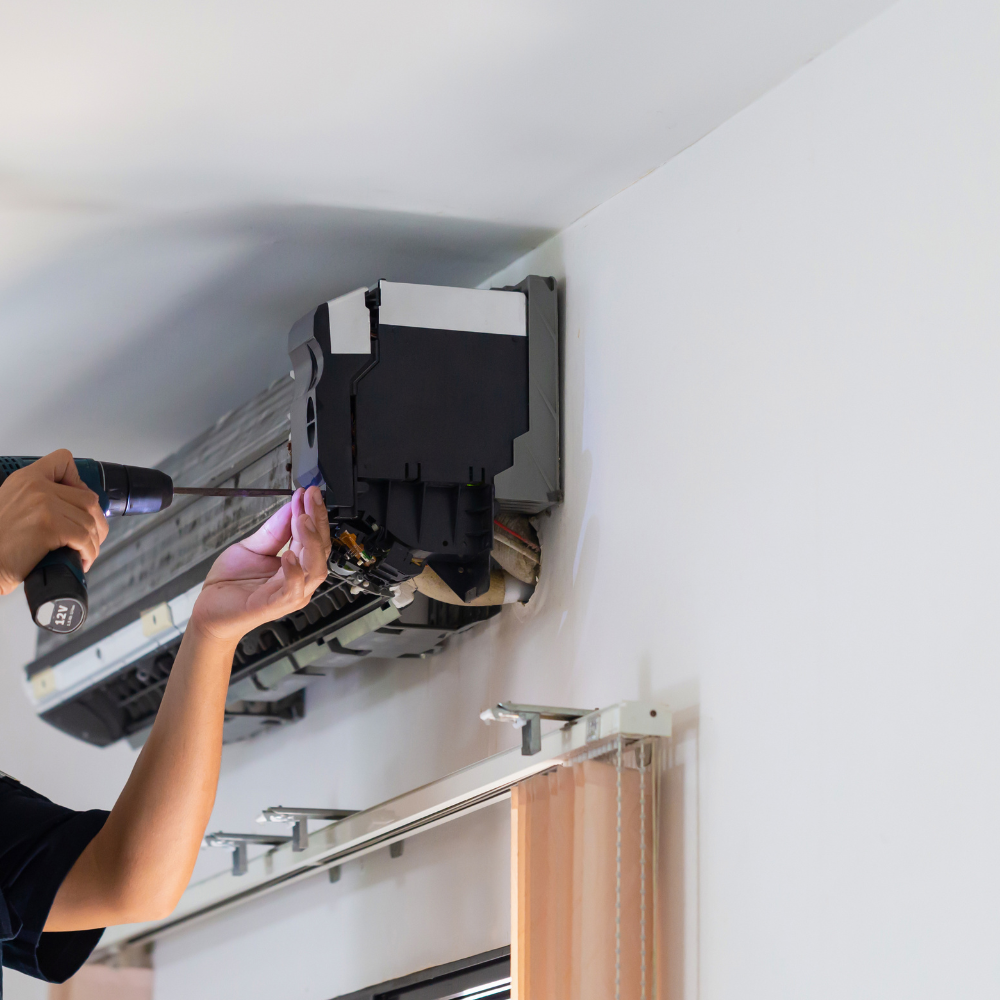
Proper AC selection ensures comfort, efficiency, and quiet operation for condos and apartments in Tampa’s humid climate.
Cooling a condo or apartment in Tampa, Florida, presents very different challenges than cooling a single-family home. Space limitations, shared infrastructure, building rules, and proximity to neighbors all influence which type of air conditioning actually works long term. Many residents focus solely on square footage, assuming smaller spaces automatically simplify system selection. In reality, condos and apartments often demand more careful planning because fewer options exist once mistakes are made.
Tampa’s climate amplifies those challenges. Long cooling seasons, persistent humidity, and salt air exposure near the coast place constant strain on equipment. A system that feels adequate during mild months may struggle during peak summer conditions if it was not selected with building constraints and environmental factors in mind. Choosing the right air conditioning system means balancing comfort, efficiency, noise control, moisture management, and compliance with building regulations that vary widely across Tampa properties.
Understanding Building Restrictions And HOA Requirements
Condo and apartment buildings in Tampa often operate under strict association rules that directly affect air conditioning choices. Exterior modifications, condenser placement, roof access, and even electrical upgrades may require approval before installation begins. These rules exist to protect shared structures and maintain uniform appearance, but they also limit available system types. Ignoring these restrictions early can halt a project midstream or force expensive redesigns.
Many buildings restrict rooftop equipment or exterior wall penetrations. Others limit noise output or require specific mounting methods to prevent vibration transfer between units. Some older condos still rely on centralized chilled-water systems, while newer buildings use individual condensers with defined placement zones. Understanding these details before selecting equipment prevents conflicts that delay installation and increase costs.
HOA timelines also affect planning. Approval processes may take weeks or months, especially during peak renovation seasons. Selecting an air conditioning system that aligns with existing guidelines speeds approval and avoids unnecessary friction. Working within building rules protects both the homeowner and the property’s long-term infrastructure, especially in densely populated Tampa communities.
Assessing Existing Mechanical And Electrical Infrastructure
Condos and apartments often share mechanical pathways, electrical risers, and structural elements that limit modification. Before selecting an AC system, evaluating existing infrastructure becomes essential. Electrical panel capacity, available circuit space, and load limitations determine what equipment can operate safely. Many older buildings were not designed for modern cooling demands, even in smaller units.
Mechanical access presents another constraint. Some apartments lack attic or crawl space access entirely. Vertical chases may be shared between units, restricting modifications. Window openings, balcony layouts, and ceiling heights influence where indoor and outdoor components can be placed. Understanding these constraints early prevents choosing systems that cannot be installed without violating building rules or structural limitations.
Infrastructure assessment also reveals opportunities. Some buildings offer shared condenser platforms or designated utility zones. Others support ductless systems with minimal modification. Matching system selection to existing pathways reduces installation complexity and supports reliable long-term operation in Tampa’s demanding climate.
Choosing Between Central Air And Ductless Options
Central air remains appealing for residents accustomed to whole-unit cooling through concealed ductwork. In some Tampa condos, especially newer construction, central systems are already in place, making replacement straightforward. When ductwork is present and in good condition, selecting a properly sized central system offers even airflow and familiar comfort control.
However, many apartments lack ductwork entirely or feature undersized, poorly insulated ducts that struggle to control humidity. Retrofitting ductwork in multifamily buildings is often impractical due to access limitations and disruption to neighboring units. In these situations, ductless mini split systems provide a flexible alternative that avoids invasive construction.
Ductless systems deliver cooling directly to individual spaces and adapt well to varied layouts. Zoning capability allows residents to control comfort in each room, which suits condos with varying sun exposure or usage patterns. While indoor units remain visible, many residents accept this tradeoff to gain efficiency and installation flexibility that central systems cannot offer in constrained environments.
Sizing AC Systems For Shared Wall Environments
Proper sizing matters even more in condos and apartments than in detached homes. Shared walls reduce heat gain compared to exterior walls, but large windows, sliding glass doors, and balconies introduce significant solar load. Oversized systems short cycle, failing to remove sufficient moisture from the air, while undersized systems run continuously without reaching comfort targets.
Humidity control plays a central role in Tampa. A system sized solely by square footage often misses the latent moisture load entirely. Condo units with good insulation but heavy sun exposure may require different sizing than similarly sized interior units. Evaluating orientation, window quality, and occupancy patterns leads to more accurate system selection.
Noise and airflow also depend on sizing. Oversized systems move air too aggressively, creating drafts and noise complaints that affect neighbors. Properly sized equipment runs longer at lower output, maintaining consistent comfort while minimizing disruption. Accurate load calculations protect comfort and building harmony in shared living environments.
Managing Noise And Vibration In Multifamily Buildings
Noise sensitivity is much higher in condos and apartments. Shared walls, ceilings, and floors transmit sound more easily than detached homes. Air conditioning systems that vibrate or cycle loudly become immediate sources of conflict between neighbors. Selecting low-noise equipment and appropriate mounting solutions becomes just as important as cooling capacity.
Outdoor condenser placement influences noise perception. Balconies, patios, and mechanical closets often sit close to neighboring units. Systems designed for quiet operation reduce complaints and protect HOA relationships. Proper isolation pads and mounting techniques prevent vibration transfer into structural elements that carry sound throughout the building.
Indoor noise matters as well. Air handlers, mini split heads, and blowers should operate quietly across operating ranges. Systems that ramp gradually rather than cycling abruptly maintain a peaceful indoor environment. Noise control considerations should guide system selection from the beginning rather than being treated as an afterthought once complaints arise.
Moisture Control And Humidity Management In Tampa Condos
Humidity behaves differently in condos and apartments than in single-family homes, particularly in Tampa, Florida, where moisture remains present year-round. Smaller living spaces cool more quickly, which often leads to short cycling when systems are not selected carefully. Short cycling drops air temperature fast but leaves moisture behind, creating that familiar sticky feeling even when the thermostat reads low. Over time, elevated indoor humidity affects comfort, furnishings, and indoor air quality in ways many residents do not immediately connect to system selection.
Shared walls and limited ventilation pathways make moisture control even more important. Condos often rely on sealed building envelopes that reduce natural air exchange. Without a system to manage latent moisture, humidity accumulates in corners, closets, and behind furniture, where airflow remains limited. Properly selected systems run longer at lower output, steadily removing moisture rather than blasting cold air in short bursts. In Tampa’s climate, consistent dehumidification often matters more than raw cooling capacity for long-term comfort.
Energy Efficiency Considerations In Smaller Living Spaces
Energy efficiency plays out differently in condos and apartments than in larger homes. Smaller square footage suggests lower energy use, but shared infrastructure, limited insulation upgrades, and fixed window designs can offset those advantages. Selecting an efficient air conditioning system requires understanding how the unit interacts with the building as a whole rather than viewing it as an isolated space.
Ductless systems offer strong efficiency benefits in multifamily settings because they avoid duct losses entirely. Central systems in older buildings often lose conditioned air through poorly sealed or inaccessible duct runs. Variable speed compressors also adapt well to fluctuating loads, which are common in condos where occupancy patterns change throughout the day. Running at partial capacity improves efficiency while maintaining steady humidity control.
Utility costs also depend on system behavior. Equipment that cycles frequently consumes more energy and wears components faster. Efficient systems designed for longer runtimes balance comfort and operating costs, which matter to residents managing monthly expenses. In Tampa, where cooling remains a constant need, selecting equipment with realistic efficiency gains supports both comfort and budget stability.
Balancing Individual Comfort With Building-Wide Systems
Some Tampa condos rely on shared cooling infrastructure such as chilled water systems or centralized cooling towers. In these buildings, individual unit control may be limited to air handlers or fan coil units rather than a full system replacement. Selecting compatible equipment becomes critical to avoid performance issues or building compliance problems.
Shared systems introduce unique considerations. Water temperature availability, flow rates, and seasonal operation schedules influence how effectively individual units cool and dehumidify. Residents may experience uneven comfort if equipment selection does not align with system design parameters. Understanding these limitations prevents unrealistic expectations and supports better equipment matching.
Even in buildings with individual condensers, shared electrical risers and structural elements influence system choice. Selecting equipment that integrates smoothly with existing building systems reduces stress on shared infrastructure and minimizes the risk of disputes or maintenance issues that affect multiple residents.
Installation Logistics In Condos And Apartments
Installing air conditioning in a condo or apartment requires coordination beyond the unit itself. Access routes, elevator usage, work hour restrictions, and protection of common areas all factor into project planning. Buildings often impose strict rules on installation timing to reduce disruption to other residents.
Equipment size and weight influence logistics significantly. Compact systems simplify transport through hallways and elevators. Outdoor units may need crane access for rooftop placement or specialized rigging for balconies. Planning these details early avoids delays and unexpected costs that arise when equipment selection overlooks building access realities.
Installer experience in multifamily environments matters greatly. Professionals familiar with Tampa condos understand how to navigate building requirements, coordinate with management, and protect shared property during installation. Smooth logistics reduce stress for residents and neighbors alike while supporting efficient project completion.
Long-Term Maintenance And Service Access
Maintenance access often determines long-term satisfaction with an air conditioning system in a condo or apartment. Equipment placed in tight mechanical closets or exterior locations with limited access complicates routine service. Selecting systems with accessible filters, controls, and service points simplifies ongoing care.
Ductless systems require filter maintenance at indoor units, which residents must manage consistently. Central systems concentrate maintenance at air handlers, but access limitations still apply. Planning for service access during installation prevents future frustration and reduces the likelihood of deferred maintenance that affects performance.
Service availability also matters. Selecting commonly supported equipment simplifies repair and replacement down the road. In Tampa’s climate, reliable service access protects comfort during peak cooling months when downtime becomes especially disruptive in shared living environments.
Planning For Future Resale Or Rental Use
Air conditioning selection influences property value in Tampa’s condo and apartment market. Buyers and renters expect reliable cooling that operates quietly and efficiently. Systems that struggle with humidity or noise quickly become negotiation points during transactions.
Ductless systems appeal to many buyers due to efficiency and zoning flexibility, though aesthetics still influence perception. Central systems remain familiar and desirable when properly designed and maintained. Documentation of system age, capacity, and maintenance history supports resale confidence and simplifies inspections.
Long-term adaptability also matters. Systems that integrate well with building infrastructure and allow future upgrades without major disruption protect property value. Thoughtful selection supports current comfort while positioning the unit favorably for future occupants.
FAQs
Ductless mini split systems and properly sized central air systems both work well, depending on building layout and restrictions. Many Tampa condos prefer ductless systems for their flexibility and humidity control, especially when ductwork is limited.
Most condos require professional installation due to HOA rules, electrical requirements, and shared infrastructure. Licensed HVAC contractors are typically required for safety and compliance.
Noise level is extremely important in multifamily buildings. A quieter system reduces disturbances and improves comfort for both you and your neighbors. Proper mounting and placement also help minimize noise.
Yes. Even smaller spaces need precise sizing that considers humidity, sun exposure, and wall placement. Sizing by square footage alone often leads to inefficiency in Tampa’s humid climate.
Upgrading to a reliable, efficient AC system increases comfort and buyer appeal. Systems installed with proper documentation and HOA compliance often boost resale and rental value in Tampa’s competitive housing market.
