
How to Install AC in Older Tampa Homes with No Ductwork
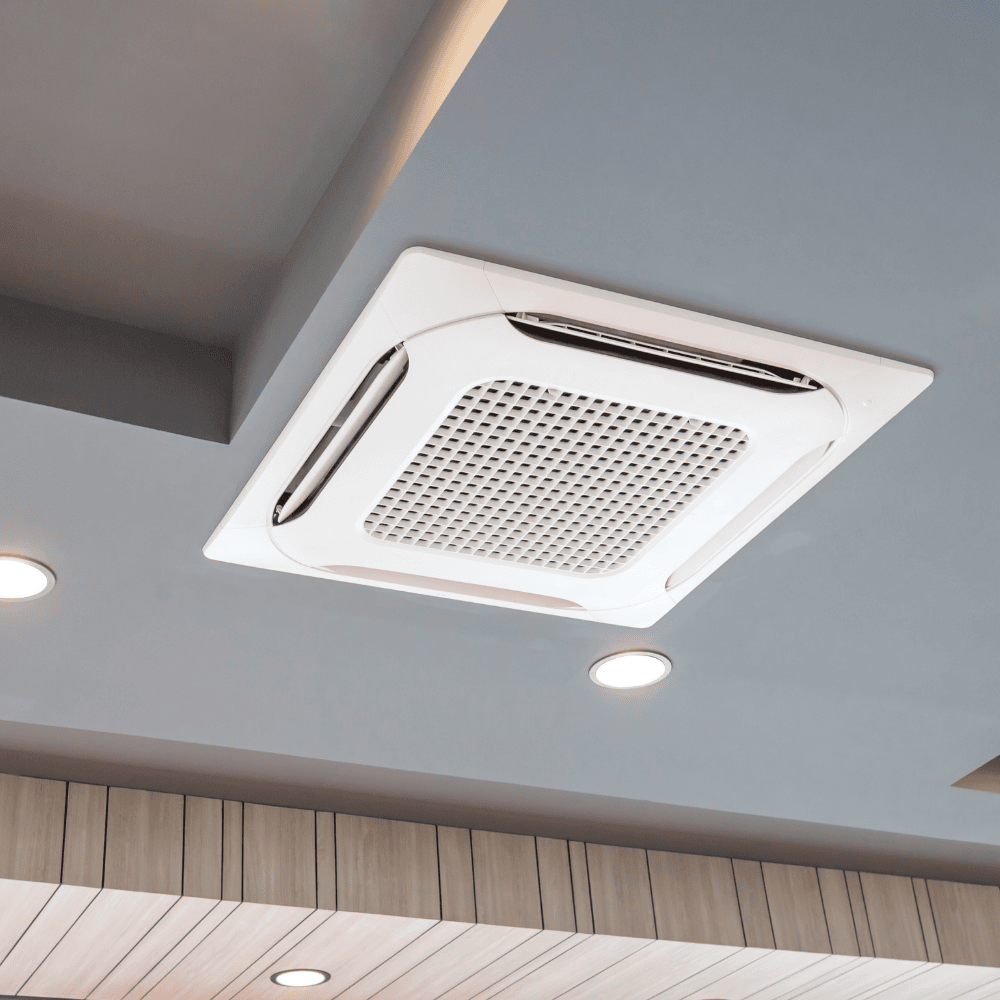
Modern AC installation in a classic Tampa home with no existing ductwork, preserving the structure and comfort.
Older homes throughout Tampa, Florida, offer charm, solid construction, and architectural details that newer builds often lack. What they rarely offer is a straightforward path to modern air conditioning. Many of these homes were built before central cooling became common, relying instead on shade, ceiling height, window placement, and natural airflow to manage heat. As Tampa’s climate has grown hotter and more humid, those original strategies no longer meet comfort expectations, leaving homeowners searching for cooling solutions that do not require tearing their homes apart.
Installing air conditioning in a house with no ductwork requires a very different mindset than working on a newer construction project. Walls may be solid masonry, framing cavities may be shallow or inconsistent, and attics may offer little usable space. Beyond physical limitations, these homes respond differently to moisture, airflow, and temperature changes. A successful installation balances comfort with preservation, efficiency with realism, and modern expectations with the realities of older construction methods common across Tampa neighborhoods.
Why Older Tampa Homes Were Built Without Ductwork
Many older Tampa homes date back to a time when air conditioning was not part of residential life. Builders relied on design choices that encouraged passive cooling, such as tall ceilings, large windows, and shaded outdoor living areas. Mechanical systems were limited to basic ventilation or heating, leaving no need for duct chases or large mechanical rooms. As a result, walls and ceilings were never designed to accommodate modern air distribution systems.
Construction materials further complicate retrofits. Plaster walls, solid block construction, and dense framing leave little room for cutting in ducts without major disruption. Attempting to add traditional ductwork often leads to widespread demolition, compromised finishes, and unintended structural issues. Many homeowners are surprised to learn that forcing a conventional system into an older Tampa home can cause more long term problems than it solves, particularly when humidity control and airflow balance suffer as a result.
Evaluating Structural And Layout Constraints Before Installation
Every older home presents a unique set of constraints that influence air conditioning options. Ceiling height, attic accessibility, wall composition, and floor plan layout all determine what systems will function effectively. Some homes have shallow attics that barely allow access, while others feature vaulted ceilings with no attic space at all. Understanding these physical limits early prevents costly redesigns during installation.
Room layout also plays a major role in cooling strategy. Older homes often contain smaller, enclosed rooms rather than open floor plans. Cooling needs vary widely between sun-exposed rooms, shaded spaces, and interior areas. Without ductwork to distribute air evenly, systems must address each space intentionally. Proper evaluation looks beyond square footage and considers how each room is used throughout the day, which directly affects comfort and efficiency outcomes over time.
Mini Split Systems And Why They Work Well In Older Homes
Ductless mini split systems have become one of the most effective solutions for older Tampa homes without ductwork. These systems deliver conditioned air directly into individual rooms through compact indoor units connected to an outdoor condenser. Refrigerant lines replace bulky ducts, allowing installation with minimal disruption to walls and ceilings. This approach respects the home’s original structure while providing modern cooling performance.
Mini splits also support zoning, which aligns well with older floor plans. Each indoor unit operates independently, allowing homeowners to cool occupied spaces without conditioning the entire house. This flexibility improves comfort and reduces energy use during Tampa’s long cooling season. While indoor units remain visible, thoughtful placement minimizes visual impact and avoids the extensive demolition required by traditional ducted systems.
High Velocity HVAC Systems In Ductless Homes
High-velocity HVAC systems offer another alternative for older homes that cannot accommodate standard ductwork. These systems use small-diameter, flexible ducts that can fit in wall cavities, closets, or attics where traditional ducts would never work. Air enters rooms through small outlets rather than large registers, preserving much of the home’s original appearance.
Performance differs from conventional systems. High velocity airflow mixes air more aggressively, reducing temperature layering and improving humidity control. In Tampa’s climate, that added moisture removal can significantly improve comfort. Installation quality matters greatly, however. Poor duct routing or improper system sizing can lead to noise complaints or uneven cooling, making experienced design and installation essential for long-term satisfaction.
Electrical Infrastructure And Load Considerations
Older Tampa homes often operate on electrical systems designed decades before modern cooling demands. Panel sizes may be limited, wiring may be outdated, and circuit capacity may not support new equipment without upgrades. Evaluating electrical infrastructure is a necessary step before selecting any air conditioning system, especially when multiple indoor units or high-capacity equipment are involved.
Mini split systems generally place less strain on electrical systems than traditional central air, but they still require dedicated circuits. High-velocity systems may also require electrical upgrades depending on the blower requirements. Addressing electrical limitations during planning avoids delays, safety concerns, and unexpected expenses later in the project, and improves the home’s overall readiness for future upgrades.
Moisture Control Challenges In Older Tampa Homes
Humidity behaves differently in older homes than in newer construction, especially in Tampa, Florida, where moisture remains a constant presence for much of the year. Many older houses were designed to release heat and moisture naturally through airflow, porous materials, and loosely sealed structures. Once mechanical cooling comes into play, that balance changes. Air conditioning cools surfaces quickly, and without proper design, moisture can condense in wall cavities, ceilings, and flooring assemblies that were never meant to trap damp air.
Improper system sizing often worsens the problem. Equipment that cools spaces too quickly shuts off before pulling enough moisture from the air, leaving indoor humidity levels elevated even when temperatures feel comfortable. Over time, that lingering moisture affects plaster, wood framing, and original finishes, leading to staining, odor issues, and material breakdown that homeowners may misinterpret as isolated maintenance problems. Systems designed with Tampa’s latent moisture load in mind manage humidity gradually and consistently, protecting the home while improving comfort.
Preserving Architectural Features During Installation
Architectural character remains one of the primary reasons homeowners invest in older Tampa homes, making preservation a major priority during air conditioning installation. Original trim, plaster ceilings, wood floors, and masonry walls contribute both aesthetic and financial value. Installing cooling systems without ductwork offers flexibility, but only when placement and routing decisions respect these features rather than working against them.
Mini split installations require careful planning to avoid visual disruption. Indoor units must be positioned with attention to room proportions, sightlines, and furniture placement. Refrigerant lines and electrical connections need discreet routing to avoid exposed pathways that detract from the home’s appearance. High velocity systems demand even more precision, as outlet placement and duct routing must avoid damaging finishes that cannot be easily repaired. Installers experienced with older homes understand how to work within these constraints while maintaining system performance.
Noise Considerations In Retrofitted Cooling Systems
Sound behaves differently in older homes due to solid construction methods and room separation. While thick walls can dampen some noise, poorly planned cooling systems introduce new sound sources that become immediately noticeable. Mini split systems operate quietly when mounted and isolated correctly, but improper installation can transmit vibration through framing, creating low-level hums that carry across rooms.
High velocity systems introduce their own acoustic considerations. Air moves faster through smaller ducts, producing a distinct sound profile that some homeowners find acceptable and others find intrusive. Noise issues often stem from poor system sizing or rushed duct design rather than the technology itself. Thoughtful planning that accounts for room use, duct length, and outlet placement keeps sound levels consistent with the home’s character rather than overpowering it.
Energy Efficiency Expectations In Older Tampa Homes
Energy efficiency improvements often motivate air conditioning upgrades, but older homes require realistic expectations. Insulation levels, window performance, and air leakage significantly influence the efficiency of any cooling system. Installing advanced equipment without addressing these factors limits achievable gains, even when technology performs as designed.
Mini split systems offer efficiency advantages through zoning and variable speed operation. Cooling only occupied rooms reduces energy use during long Tampa summers. High-velocity systems improve air mixing, allowing comfortable conditions at higher thermostat settings. Both approaches benefit from complementary improvements such as sealing air leaks or upgrading insulation. Treating the cooling system and building envelope as a combined system produces better long-term results than focusing on equipment alone.
Maintenance Responsibilities With Ductless And Retrofitted Systems
Maintenance expectations change when ductwork is no longer part of the equation. Mini split systems require filter cleaning at each indoor unit, a responsibility that homeowners must understand from the start. Neglecting routine care reduces airflow, affects humidity control, and shortens equipment lifespan. Clear guidance during installation helps homeowners integrate maintenance into normal household routines.
High-velocity systems centralize filtration but still require periodic inspection of outlets and ductwork. Access planning during installation simplifies long-term care and avoids damage to original finishes. Older homes also benefit from occasional moisture and airflow evaluations after installation. Cooling systems interact with aging materials over time, and early detection of condensation or imbalance issues prevents costly repairs down the road.
Balancing Comfort Upgrades With Long-Term Property Value
Air conditioning upgrades in older Tampa homes influence both daily comfort and long term property value. Buyers increasingly expect reliable cooling, even in historic or character-driven properties. Well-designed installations add appeal by improving livability without sacrificing originality. Poorly executed systems, on the other hand, raise red flags during inspections and reduce buyer confidence.
Ductless systems appeal to buyers who value efficiency and flexibility, while high-velocity systems attract those seeking a central air feel with minimal visual impact. Documentation of installation quality, electrical upgrades, and maintenance history supports resale value and simplifies future transactions. Thoughtful system selection positions older homes to meet modern expectations while preserving the qualities that make them desirable.
FAQs
Yes, air conditioning can be installed using ductless mini split systems or high-velocity HVAC systems. These options avoid the need for traditional ductwork and work well with older construction styles common in Tampa.
Mini split systems manage humidity effectively when properly sized and installed. Their ability to run at variable speeds allows continuous moisture removal, which suits Tampa’s humid climate well.
Many older homes require an electrical evaluation before installing air conditioning. Panel capacity, wiring condition, and circuit availability determine whether upgrades are necessary to support new equipment safely.
When installed by experienced professionals, high-velocity systems minimize damage by using small-diameter ducts and carefully placed outlets. Proper planning protects original finishes and architectural details.
Costs can be higher due to specialized equipment and labor, but avoiding extensive demolition often offsets those expenses. Long-term comfort, efficiency, and property value help balance the initial investment.
