
How to Recycle or Dispose of Old AC Units in Tampa, FL
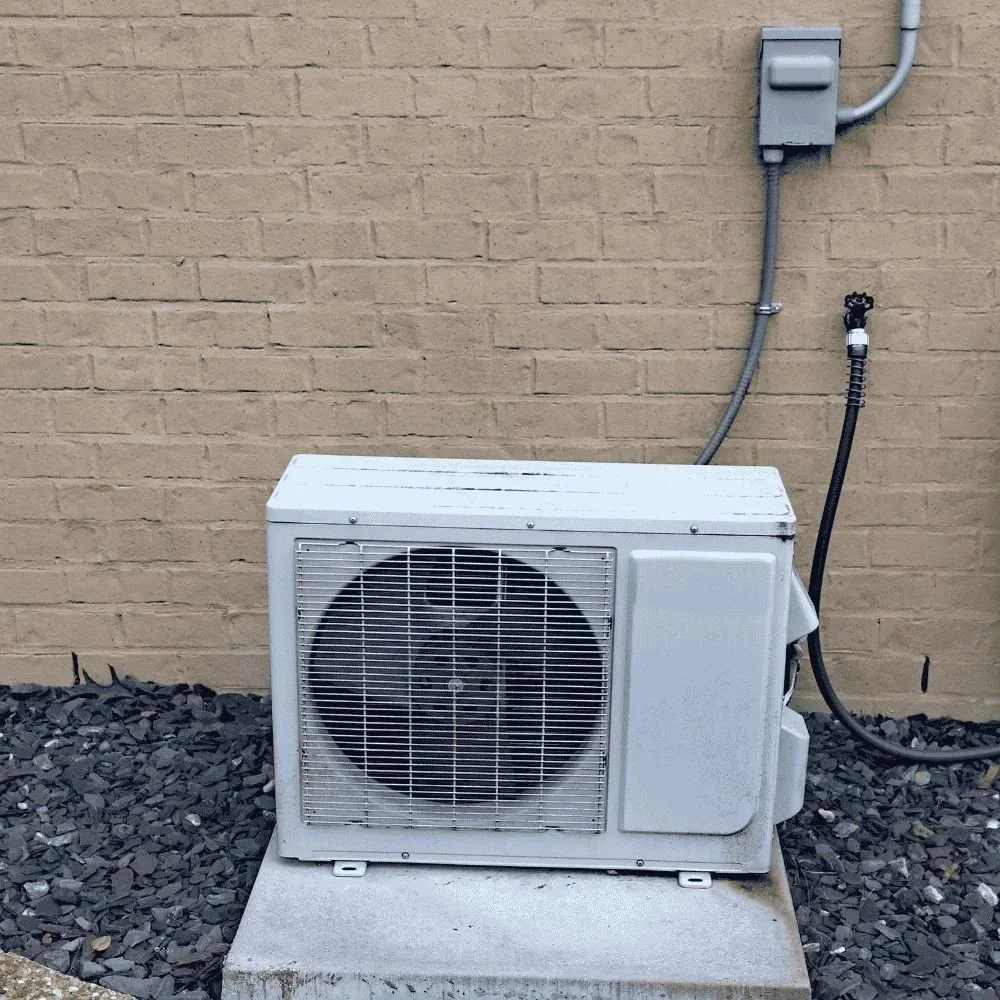
Professionals safely remove and recycle an old AC unit in Tampa, ensuring eco-friendly handling of refrigerants.
Living in Tampa, Florida, means air conditioning is more than a convenience. It becomes part of daily survival for homes and businesses alike. Over time, every system reaches a point where repairs no longer make sense and replacement becomes unavoidable. When that happens, homeowners often focus on the new equipment and forget about the old unit sitting in the yard, garage, or mechanical room. Disposing of an air conditioner involves more than dragging heavy metal to the curb. These systems contain regulated refrigerants, electrical components, and materials that require proper handling to avoid environmental harm and legal trouble.
Old air conditioners also reflect how homes evolve over decades in Tampa. Many properties still contain systems installed long before modern efficiency standards or disposal rules existed. A homeowner upgrading to a newer unit often inherits the responsibility of dealing with outdated equipment that was never designed with easy recycling in mind. Understanding how disposal works, the risks involved, and which steps protect both property owners and the environment allows homeowners to make informed decisions rather than rely on guesswork or shortcuts.
Why Old Air Conditioners Require Special Handling
An air conditioning system contains far more than metal and wires. Refrigerant sits at the center of disposal concerns, especially for systems installed before current environmental regulations. Older units may contain refrigerants that damage the ozone layer or contribute heavily to climate warming if released improperly. Federal and state regulations prohibit venting refrigerant into the air, even when a system no longer functions. That requirement alone removes curbside disposal from the list of acceptable options in Tampa, Florida.
Beyond refrigerant, compressors and coils contain oils and residues that contaminate soil and groundwater when mishandled. Many Tampa homes sit near water tables that react quickly to pollution. Improper disposal risks more than fines. It can cause long-term environmental damage to neighborhoods, wildlife, and coastal ecosystems. These risks explain why licensed recovery and recycling processes exist and why reputable HVAC professionals follow strict removal protocols before any unit is sent to a recycling facility.
Electrical components also present hazards. Capacitors, wiring insulation, and control boards degrade over time. When crushed or exposed, these materials release chemicals that pose health risks to sanitation workers and landfill operators. Treating an air conditioner like ordinary scrap ignores how complex and regulated the equipment truly is. Responsible disposal protects people who handle the equipment downstream as much as it protects the homeowner arranging removal.
Understanding Tampa Regulations And Environmental Responsibilities
Tampa follows both Florida state regulations and federal EPA guidelines regarding air conditioner disposal. Refrigerant recovery must occur before any unit enters a recycling or disposal stream. Only licensed technicians may legally perform this step. Homeowners attempting to dismantle units themselves risk violating environmental laws even when intentions are good. Enforcement agencies treat accidental releases the same as careless ones because environmental damage does not distinguish between motives.
Local waste management services in Tampa do not accept whole air conditioning units through standard pickup. Some facilities allow drop-off only after proof of refrigerant removal. Others refuse residential equipment entirely due to safety concerns. These rules exist because improper handling places municipal workers at risk and creates compliance liabilities for public services. Homeowners who ignore these guidelines often discover too late that disposal becomes more complicated and expensive after mistakes occur.
Environmental responsibility also extends beyond legal compliance. Tampa’s climate places constant strain on electrical grids and cooling infrastructure. Recycling metals from old AC units reduces demand for raw material extraction, which carries environmental costs of its own. Copper, aluminum, and steel recovered from air conditioners are recycled rather than sent to landfills. Disposal decisions made at the household level ripple outward into larger sustainability efforts across the region.
What Happens During Professional AC Unit Removal
Professional removal begins with refrigerant recovery. Technicians connect specialized equipment to extract refrigerant into sealed containers for proper reclamation or destruction. This process prevents release into the atmosphere and allows some refrigerants to be purified for reuse under controlled conditions. Homeowners rarely see this step, yet it remains the most critical part of compliant disposal.
After refrigerant removal, technicians isolate electrical components and disconnect power safely. Older units may contain brittle wiring or corroded terminals that pose a shock risk if handled carelessly. Professionals address these hazards methodically, reducing risk to property and personnel. Once electrical systems are secured, compressors and coils receive inspection to determine recycling pathways. Many components qualify for metal recycling once contaminants are removed.
Transportation follows strict handling practices. Air conditioners weigh hundreds of pounds and require proper lifting equipment. Damage during transport risks oil leakage or structural failure, complicating recycling. Licensed removal services coordinate delivery to approved recycling centers familiar with HVAC equipment. This controlled chain of custody ensures compliance from removal through final processing, protecting homeowners from liability while supporting environmentally responsible outcomes.
Scrap Metal Recycling Versus Certified HVAC Recycling
Not all recycling options offer equal environmental protection. Scrap metal yards often accept air conditioner components once stripped of refrigerant and hazardous materials. These facilities focus on metal recovery and operate efficiently for steel, aluminum, and copper extraction. When properly prepared, air conditioners contribute valuable materials to these operations. However, scrap yards typically require proof that refrigerant recovery occurred beforehand.
Certified HVAC recycling facilities handle the entire process under one roof. These centers specialize in safely dismantling systems and managing refrigerants, oils, and electronics in accordance with regulatory standards. For homeowners seeking simplicity and peace of mind, certified facilities reduce the need to coordinate multiple steps. Tampa homeowners often prefer this route when dealing with older systems that contain unknown materials or undocumented service histories.
Choosing between scrap recycling and certified HVAC recycling often depends on access, cost, and the unit's condition. Newer systems with documented refrigerant recovery may move smoothly through scrap yards. Older units benefit from certified handling due to unknown risks. Understanding these distinctions helps homeowners avoid delays and surprises during disposal.
Why Dumping Or Abandonment Creates Long-Term Problems
Improper disposal sometimes begins with convenience-driven decisions. Leaving an old unit behind a shed, in an alley, or on vacant property may seem harmless at first. Over time, exposure to Tampa’s humidity accelerates corrosion and leakage. Refrigerant lines degrade, oils seep into soil, and structural components collapse. What began as storage becomes environmental contamination.
Illegal dumping also creates community consequences. Abandoned air conditioners attract scavengers who may cut lines to extract copper without refrigerant recovery. These actions release refrigerants directly into the air. Neighborhoods suffer visual blight, increased pests, and potential code enforcement actions. Property owners connected to abandoned equipment often face fines or cleanup orders even when dumping occurred without their consent.
Long-term problems also affect future property transactions. Home inspections reveal improper disposal practices and environmental risks that complicate sales or refinancing. Addressing disposal correctly from the beginning avoids lingering issues that surface years later. Responsible handling aligns with both environmental stewardship and practical property management in Tampa, Florida.
Preparing Your Property For AC Unit Removal
Before removal, homeowners benefit from understanding what preparation entails. Clearing access paths allows technicians to move equipment without damaging landscaping, fences, or interiors. Many Tampa properties feature narrow side yards or elevated platforms that complicate removal logistics. Addressing obstacles in advance prevents delays and reduces labor risks.
Electrical disconnection remains another preparation step. While technicians handle final safety procedures, homeowners should avoid attempting a power shutoff without guidance. Older homes may feature shared circuits or mislabeled breakers. Professional verification prevents accidental outages or hazards. Communication between the homeowner and the service provider streamlines the process and minimizes surprises during removal.
Documentation also plays a role. Records of refrigerant recovery, disposal receipts, and recycling certificates protect homeowners from future liability questions. Keeping these documents with home maintenance records adds value during inspections or property transfers. Preparation extends beyond physical space into administrative readiness that supports responsible disposal practices.
Why Refrigerant Recovery Matters More In Coastal Florida
Refrigerant recovery is particularly important in Tampa, Florida, due to its coastal climate and environmental sensitivity. Warm temperatures increase pressure inside refrigeration systems, even when the systems are no longer operating. Improper handling during removal raises the risk of accidental refrigerant release as lines rupture or fittings fail. Coastal humidity accelerates corrosion, weakening older systems and increasing the chance of leaks during untrained removal attempts. These factors explain why professional recovery becomes more than a regulatory step in coastal regions.
Florida’s proximity to sensitive marine ecosystems raises environmental stakes. Refrigerants released into the atmosphere contribute to atmospheric damage that affects climate patterns, influencing coastal storms and sea levels. While individual releases seem small, cumulative effects across thousands of homes compound over time. Responsible refrigerant recovery helps limit these broader impacts while supporting compliance with environmental standards designed to protect Florida’s coastal communities.
Refrigerant recovery also intersects with public health. Improper exposure to refrigerants can pose respiratory risks and displace oxygen in confined spaces. Tampa homeowners often remove systems from garages, closets, or utility rooms where ventilation remains limited. Trained technicians understand these risks and use equipment that protects occupants during recovery. This layer of safety reinforces why recovery remains essential regardless of system age or condition.
Common Homeowner Misconceptions About AC Disposal
Many homeowners believe non-working equipment no longer poses environmental risks. In reality, refrigerant remains pressurized long after a system fails. Ignoring this fact leads to improper disposal attempts that release harmful substances. Another misconception assumes that scrap collectors handle recovery automatically. Most scrap operations refuse untreated units due to liability, leaving homeowners responsible for compliance.
Some homeowners attempt partial dismantling to reduce removal costs. Cutting lines or removing compressors without proper equipment introduces significant risk. These actions violate regulations and complicate professional recovery later. Technicians encountering damaged systems must stabilize hazards before proceeding, which increases labor and costs. Understanding limitations prevents well-intentioned mistakes.
Storage misconceptions also persist. Keeping an old unit for future recycling often results in deterioration that reduces scrap value and increases risk. Tampa’s climate accelerates decay, making delayed disposal counterproductive. Promptly addressing removal preserves material value and minimizes environmental exposure.
Selecting A Qualified Disposal Provider In Tampa
Choosing a disposal provider involves more than price comparison. Licensing and certification indicate compliance with refrigerant handling regulations. Reputable providers document recovery and recycling processes clearly. Asking about disposal pathways reveals whether materials enter certified facilities or informal scrap streams. Transparency signals professionalism and accountability.
Experience in Tampa matters due to regional building styles and climate challenges. Providers familiar with local housing layouts anticipate access constraints and environmental considerations. Their familiarity reduces complications and delays during removal. Local expertise also aligns with regulatory familiarity, reducing compliance risk for homeowners.
Scheduling coordination remains another factor. Disposal often coincides with system replacement. Providers who coordinate with installation timelines reduce downtime and logistical complexity. This integration benefits homeowners seeking smooth transitions without prolonged disruption. Selecting qualified providers supports efficient and responsible disposal outcomes.
FAQs
Legal disposal requires professional refrigerant recovery followed by delivery to an approved recycling or disposal facility. Licensed HVAC technicians handle recovery, ensuring compliance with environmental regulations. Once refrigerant removal occurs, the unit may enter certified recycling streams or approved scrap facilities. Attempting curbside disposal or dismantling without recovery violates regulations and creates liability risks.
Homeowners may not legally recover refrigerant themselves without proper licensing and equipment. Even non-working systems contain pressurized refrigerant that must be handled professionally. While scrap metal recycling remains possible after recovery, the initial step requires licensed service. Hiring professionals protects homeowners from environmental violations and safety hazards.
Most components qualify for recycling once hazardous materials are removed. Copper tubing, aluminum fins, steel housings, and certain electronic components are sent to specialized recycling streams. Refrigerants and oils require controlled handling rather than traditional recycling. Proper separation ensures materials reenter manufacturing cycles responsibly.
Standard municipal waste services do not accept air conditioning units for free. Some utility or efficiency programs offer incentives tied to system upgrades, though availability varies. Most disposal requires coordination with licensed providers who manage recovery and recycling. Checking local programs may reveal limited assistance options.
Abandoned units deteriorate over time, increasing the risk of refrigerant leakage and environmental contamination. Property owners remain responsible for any resulting damage or code violations. Removal costs often increase due to corrosion and instability. Prompt disposal reduces risk and supports responsible property management.
