
How to Estimate the Lifespan of Your AC in Tampa, FL
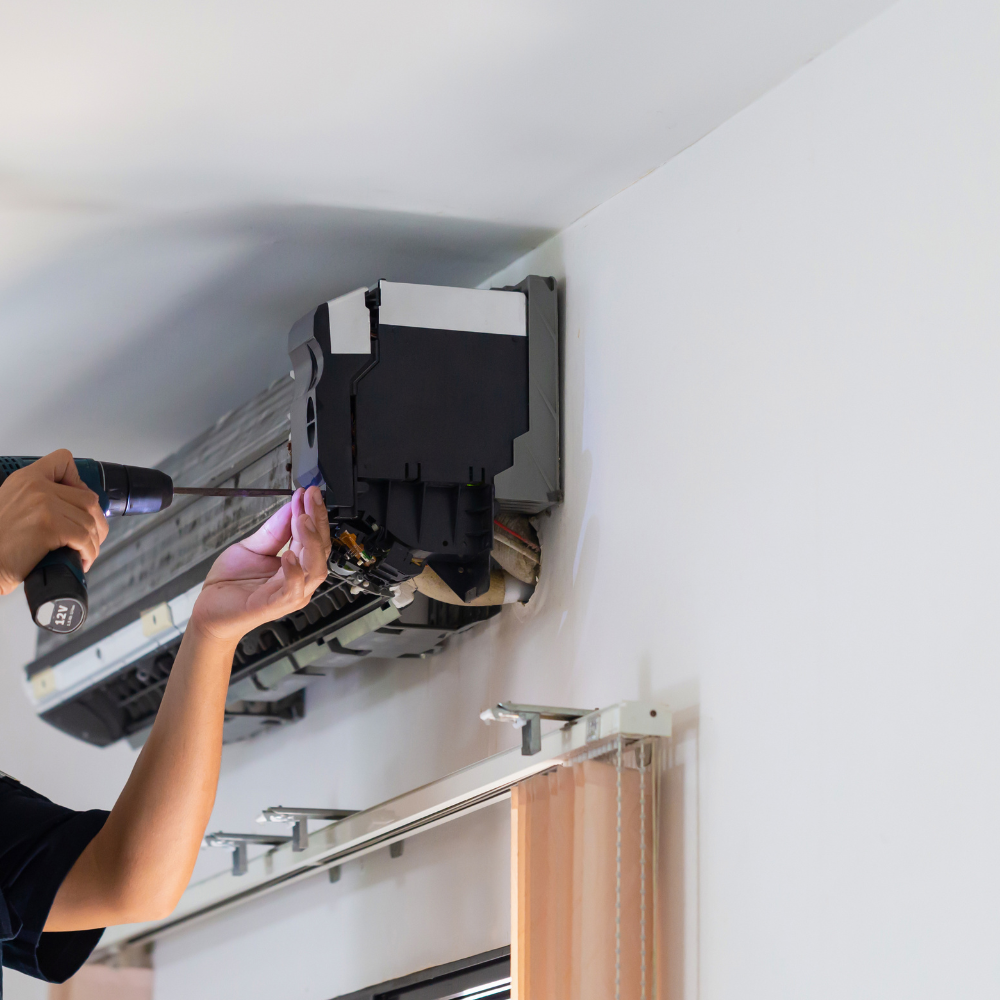
AC systems in Tampa face constant heat and humidity, reducing lifespan compared to national averages.
Why AC Lifespan Looks Different In Tampa Than In Other Regions
Air conditioning systems in Tampa, Florida, live a much harder life than systems in milder climates, and that reality reshapes how lifespan should be estimated. In many parts of the country, AC systems run heavily for a few months and then rest for long stretches. Tampa systems rarely get that luxury. Cooling seasons span most of the year, and even winter days often require some level of cooling or dehumidification. That constant demand accelerates wear in ways homeowners often do not notice until performance drops noticeably.
Humidity compounds the issue. Moisture forces systems to work harder during every cycle, placing additional stress on coils, compressors, and electrical components. Systems that might last twenty years elsewhere often show advanced wear much sooner in Tampa, even when maintained. Corrosion, electrical fatigue, and airflow degradation occur gradually under these conditions. Homeowners often misjudge system age by comparing it to national averages rather than local realities shaped by heat and moisture.
Estimating lifespan in Tampa requires shifting expectations. Age alone does not tell the full story. Runtime hours, humidity exposure, and how consistently the system operates matter more than the calendar date on the installation sticker. Systems that run daily for most of the year accumulate wear more quickly, making local context essential when evaluating remaining service life.
The Role Of System Age Versus Actual Operating Time
Chronological age offers a rough guideline, but operating time provides a far more accurate picture of AC lifespan in Tampa. Two systems installed in the same year can show vastly different wear based on how often and how hard they run. A system serving a shaded home with strong insulation may operate fewer hours than one cooling a sun-exposed home with poor airflow. Over time, that difference compounds into dramatically different system conditions.
Compressors, fans, and electrical components degrade over time, not solely with use. Every cycle adds stress, and Tampa systems accumulate cycles faster than most. Even variable-speed systems, which operate more gently, still rack up runtime hours that contribute to gradual wear. Homeowners who rely solely on age often underestimate the wear in systems that appear relatively young on paper.
Maintenance records help bridge that gap. Service history reveals how frequently components required adjustment or replacement, which offers clues about internal stress levels. A 10-year-old system with frequent repairs may approach the end of its practical lifespan sooner than expected, whereas a well-maintained system of similar age may continue to perform reliably. In Tampa, lifespan estimation improves when age and usage are evaluated together rather than in isolation.
How Installation Quality Shapes Long-Term Longevity
Installation quality plays a decisive role in how long an AC system lasts in Tampa. Even high-quality equipment struggles when installed without attention to airflow balance, refrigerant charging, and drainage. Minor errors during installation often remain hidden for years while slowly degrading system health. Improper airflow causes coils to operate outside optimal ranges, leading to icing, overheating, or excessive wear that shortens lifespan.
Refrigerant charge accuracy matters greatly in humid climates. Undercharged systems struggle to remove heat and moisture effectively, while overcharged systems place excess strain on compressors. Both conditions accelerate component fatigue. Drainage design also affects longevity. Poor condensate management leads to water intrusion, corrosion, and microbial growth, which damage internal components over time.
Homes in Tampa often reveal installation flaws faster due to constant operation. Systems rarely get extended rest periods to recover from inefficiencies. Homeowners who estimate the lifespan benefit from considering how well the system was installed originally. A properly installed system often outlasts expectations, while poorly installed equipment may fail early regardless of brand or maintenance.
Maintenance History And Its Impact On Lifespan
Regular maintenance extends AC lifespan more in Tampa than in cooler regions because systems face relentless demand. Routine inspections catch airflow issues, electrical degradation, and refrigerant imbalances before they cascade into major failures. Systems that receive consistent maintenance often age more gracefully, even under heavy use.
Neglected systems tell a different story. Dirty coils reduce heat transfer efficiency, forcing compressors to run hotter and longer. Clogged drains cause moisture buildup that corrodes components and encourages microbial growth. Electrical connections loosen under thermal stress, increasing resistance and failure risk. Each neglected detail compounds over time, shortening the system’s usable life.
Maintenance history also reveals how a system responds to Tampa’s climate. Frequent minor repairs may signal underlying stress that maintenance alone cannot resolve indefinitely. Homeowners estimating lifespan should review service patterns rather than focusing solely on recent performance. A system that requires repeated intervention often reaches a tipping point at which replacement becomes more practical than continued upkeep.
Environmental Exposure And Location-Specific Wear
Where an AC system lives within a property affects how quickly it ages in Tampa. Outdoor units exposed to direct sun experience higher operating temperatures, which accelerates wear on compressors and electronics. Coastal proximity introduces salt air that corrodes coils and fasteners, shortening component life even when systems operate normally.
Indoor unit location matters as well. Attic installations face extreme heat that stresses blower motors, control boards, and insulation. Systems installed in garages or closets often experience more stable temperatures, which supports longer component life. Drainage routing also varies by location, influencing moisture exposure and corrosion risk.
Environmental exposure shapes lifespan in subtle ways. Homeowners often overlook placement factors when estimating remaining life, focusing instead on age or brand. Tampa’s climate magnifies environmental effects, making location a meaningful variable in lifespan evaluation.
Usage Patterns And Lifestyle Influences
Household habits influence AC lifespan more than many homeowners realize. Homes occupied throughout the day place continuous demand on cooling systems, while households empty during working hours allow systems to cycle less frequently. Remote work trends have increased daytime usage, which accelerates wear compared to historical patterns.
Thermostat behavior also matters. Aggressive setbacks followed by rapid cooling demands place stress on compressors and electrical components. Steady temperature management often supports a longer lifespan by reducing extreme cycling patterns. Tampa homeowners who prioritize humidity control over rapid temperature changes often see more consistent system behavior.
Lifestyle changes over time shift system stress levels. Growing families, added appliances, or home office equipment increase internal heat loads. Systems originally sized for lighter use may struggle under increased demand, affecting longevity. Estimating lifespan requires acknowledging how usage has evolved since installation rather than assuming static conditions.
Component Wear Patterns That Reveal Remaining System Life
Individual components often tell a clearer story about remaining lifespan than the system as a whole. Compressors receive the most attention because failure usually ends a system’s service life, but supporting components reveal stress much earlier. In Tampa, Florida, capacitors, contactors, and fan motors tend to fail earlier due to constant electrical load and heat exposure. Repeated replacement of these parts within short intervals often indicates that the system is operating near its limits rather than experiencing isolated issues.
Coils also provide important clues. Evaporator coils that show signs of corrosion, repeated refrigerant leaks, or declining heat transfer efficiency indicate cumulative wear from humidity and chemical exposure. Condenser coils exposed to salt air or heavy debris accumulation often degrade faster, forcing compressors to work harder to reject heat. Homeowners may notice declining performance even after repairs because the underlying coil condition no longer supports efficient operation.
Blower assemblies offer another window into system health. Bearings, housings, and insulation degrade over time under high heat and moisture. Increased noise, vibration, or airflow inconsistency suggests advancing wear. In Tampa’s climate, these component-level patterns often appear years before complete system failure. Evaluating them together provides a more accurate estimate of remaining life than focusing on a single repair event.
Efficiency Decline As A Predictor Of End Of Life
Efficiency loss rarely happens suddenly. In Tampa homes, it creeps in gradually as systems lose their ability to transfer heat and manage moisture effectively. Homeowners often compensate by lowering thermostat settings, which masks declining performance while increasing runtime. Rising energy bills, combined with declining comfort, often indicate that the system is operating outside its optimal efficiency window.
Seasonal performance changes provide useful insight. Systems that struggle disproportionately during peak summer conditions compared to prior years often experience declining capacity rather than temporary issues. Longer runtimes, reduced dehumidification, and inconsistent temperatures reflect internal wear that maintenance can slow but not reverse indefinitely.
Efficiency decline affects more than utility costs. Extended runtime increases internal temperatures within compressors and electrical components, accelerating wear. Over time, the system enters a feedback loop where declining efficiency drives increased stress, which further reduces efficiency. In Tampa, that cycle moves faster due to climate demands, making efficiency trends a reliable predictor of approaching replacement needs.
Repair Frequency And Repair Type Trends
Repair history provides one of the clearest indicators of remaining AC lifespan. Occasional repairs occur even in healthy systems, but patterns matter more than individual events. In Tampa, systems approaching the end of their service life often require multiple different repairs within short timeframes. Each fix restores function temporarily without resolving the underlying deterioration.
The nature of repairs also matters. Repeated refrigerant-related issues suggest coil degradation rather than simple leaks. Electrical failures across different components point toward cumulative stress rather than isolated defects. When repair costs approach a meaningful percentage of replacement cost, the remaining lifespan often measures in seasons rather than years.
Homeowners sometimes hesitate to replace systems that still operate after repairs, but reliability tends to decline rapidly once repair frequency increases. Tampa’s climate offers little margin for downtime, so systems nearing the end of their lifespan often reveal themselves through escalating service needs that repeatedly disrupt comfort.
How System Design And Technology Influence Longevity
Not all AC systems age at the same rate, even under identical conditions. Design choices and technology levels influence how systems handle Tampa’s demanding environment. Variable-speed and inverter-driven systems often age more gracefully because they avoid aggressive cycling. Steady operation reduces thermal and electrical stress, supporting longer component life when installed and maintained correctly.
Single-stage systems experience sharper wear patterns due to frequent on-off cycling under high load. That cycling stresses compressors and electrical components more intensely. While simpler designs may cost less initially, they often show accelerated wear in climates where runtime remains high for most of the year.
Control systems also affect longevity. Modern systems with advanced diagnostics and adaptive controls adjust operation to protect components under stress. Older systems lack these safeguards and rely solely on mechanical tolerances. In Tampa homes, technological differences influence not just comfort but how long systems remain viable under continuous demand.
Ductwork And Airflow Effects On Lifespan
Airflow problems shorten AC lifespan quietly and consistently. Systems designed to move a specific volume of air struggle when ductwork restricts flow. Undersized, leaky, or poorly insulated ducts force systems to operate outside ideal ranges. In Tampa’s heat, those deviations accelerate wear significantly.
Restricted airflow causes coils to freeze or overheat, depending on conditions. Both scenarios damage compressors over time. Leaky ducts increase runtime by introducing unconditioned air, which further increases humidity. Homeowners often address equipment issues repeatedly without realizing that duct conditions drive those failures.
Evaluating ductwork condition helps estimate remaining system life. Systems with chronic airflow issues often exhibit advanced wear regardless of age. Addressing duct issues may temporarily extend life, but long-term damage often persists. In Tampa homes, airflow integrity plays a larger role in lifespan than many homeowners expect.
Humidity Control And Its Long-Term Impact
Humidity management stands at the center of AC longevity in Tampa. Systems that struggle to remove moisture operate under constant strain. Excess humidity prolongs runtime, increases corrosion risk, and degrades insulation and electronics over time. Systems designed or configured without proper humidity control often age faster than those optimized for latent load removal.
Homeowners may notice signs such as persistent clamminess, musty odors, or condensation issues long before mechanical failure occurs. These symptoms indicate that the system works harder than intended during every cycle. Over years of operation, that extra load shortens the usable lifespan.
Evaluating humidity performance provides valuable insight into remaining service life. Systems that maintain stable humidity levels with moderate runtime typically retain healthier internal conditions. In Tampa, where humidity rarely offers relief, effective moisture control correlates strongly with extended system longevity.
FAQs
Most systems last between ten and fifteen years in Tampa due to long runtime and high humidity. Proper installation and maintenance can extend lifespan, but climate remains a limiting factor.
Maintenance slows wear and prevents premature failure, but it cannot fully offset climate stress. Well-maintained systems usually reach the upper end of expected lifespan rather than exceeding it dramatically.
Replacing components like compressors may restore function, but supporting parts still reflect original wear. Overall lifespan rarely resets fully after major repairs.
Humidity increases runtime, corrosion risk, and electrical stress. Systems that manage moisture effectively age more slowly than those that struggle with latent load.
Proactive replacement reduces emergency risk and allows better planning. Many Tampa homeowners replace systems when indicators suggest limited remaining life rather than waiting for total breakdown.
