
How to Decide Between Central Air and Ductless AC in Tampa
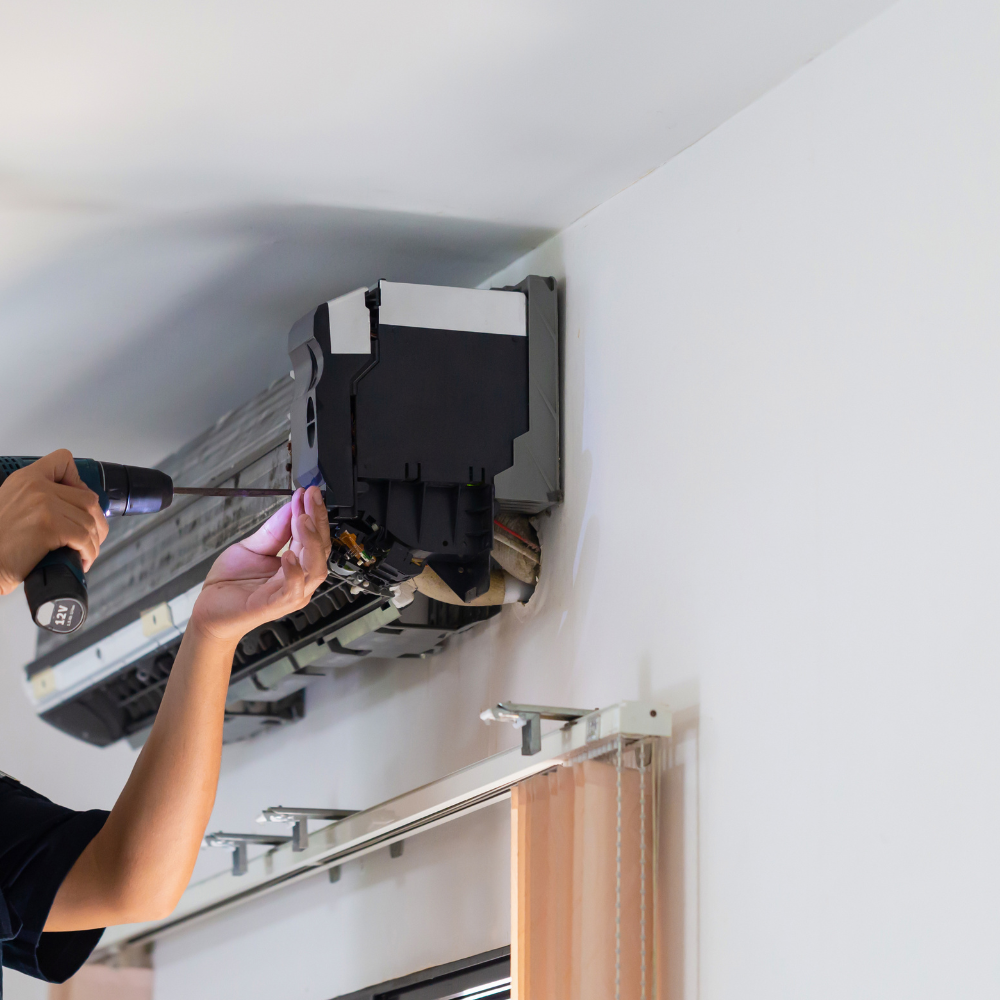
Central air conditioning remains a common whole-home cooling choice in Tampa, but performance depends heavily on duct design and system upkeep.
Central Air Conditioning As A Whole-Home Cooling Strategy In Tampa
Central air conditioning remains the default cooling system for many homes across Tampa, Florida, largely because it was designed to evenly cool entire houses through a single, centralized system. At its core, a central air system relies on an outdoor condenser, an indoor air handler, and a network of ducts that move cooled air throughout the home. When everything works as designed, central air offers a familiar experience: each room stays within a similar temperature range with little thought from the homeowner. That simplicity explains why so many Tampa neighborhoods still rely on central systems installed decades ago, even as homes change and expectations shift.
Real-world performance, however, often looks different from the original design intent. Tampa’s heat and humidity place heavy demands on ductwork, especially when ducts run through unconditioned attics that regularly exceed outdoor temperatures. Over time, insulation degrades, joints loosen, and small air leaks develop. Each of those issues forces the system to work harder to maintain comfort, increasing runtime and energy use. Homeowners frequently notice certain rooms lagging behind others, especially bedrooms far from the air handler or spaces added after the original construction. Central air can still cool effectively, but its success depends heavily on the unseen infrastructure that delivers the air, not just the equipment itself.
Long-term ownership reveals how central air systems age under Tampa conditions. Systems that start balanced gradually drift as homes settle and usage patterns change. Furniture blocks vents, renovations alter airflow paths, and household routines evolve in ways the original duct design never anticipated. Without periodic evaluation and adjustment, central air systems slowly lose their ability to deliver consistent comfort. Homeowners who understand central air as a dynamic system rather than a fixed appliance tend to make better decisions about upgrades, repairs, and whether the system still fits their home’s needs.
How Ductless AC Systems Change The Cooling Equation In Tampa Homes
Ductless AC systems approach cooling from a more targeted perspective, which appeals to many Tampa homeowners facing comfort challenges that central air struggles to solve. Instead of relying on ducts, ductless systems use individual indoor air handlers mounted directly in rooms, each connected to an outdoor unit through refrigerant lines. Cooling happens exactly where it is needed, eliminating losses associated with long duct runs through hot attic spaces. In Tampa’s climate, that direct delivery often translates into steadier temperatures and better moisture control, particularly during extended heat waves.
Installation realities shape how well ductless systems perform over time. Indoor unit placement affects airflow patterns, noise levels, and how evenly rooms cool. Poor placement can create hot spots or drafts that frustrate homeowners even when the system technically works. Condensate drainage requires careful planning in Tampa’s humid environment, where moisture removal occurs continuously rather than intermittently. Refrigerant line routing also matters, especially in masonry or block construction common throughout the area. When installed with care, ductless systems offer a level of control and consistency that many homeowners find refreshing after years of battling uneven central air performance.
The ownership experience differs notably from traditional systems. Ductless AC systems invite homeowners to think about comfort room by room instead of house-wide. That shift often aligns better with modern lifestyles, where certain spaces are heavily used while others remain mostly empty. Over time, homeowners appreciate the flexibility to adjust cooling based on actual need rather than compromise for uniformity. In Tampa, Florida, where cooling demands dominate most of the year, that adaptability becomes a practical advantage rather than a luxury feature.
The Role Of Home Age And Construction Style In System Selection
Home age plays a quiet but powerful role in deciding between central air and ductless AC in Tampa. Many older homes were built before modern insulation standards or designed airflow paths became common practice. Ductwork added years later often snakes through tight attic spaces with sharp turns and inconsistent sizing. Those compromises limit how effectively central air can distribute cooled air, even when the equipment itself performs well. Homeowners sometimes replace units repeatedly without addressing the underlying delivery issues that cause persistent comfort complaints.
Construction style also influences system behavior. Tampa homes range from low-slung ranch designs to multi-story layouts with vaulted ceilings and open floor plans. Central air systems must push air against gravity and across long distances to serve second floors or expanded living areas. Ductless systems bypass those challenges by treating each space independently. Rooms with large windows, sun exposure, or unique heat loads receive dedicated cooling without affecting the rest of the home. That independence often solves problems created by architectural features that central systems were never designed to accommodate.
Long-term implications become clear as homeowners plan renovations or additions. Extending ductwork into new spaces often introduces new airflow imbalances that ripple through the entire system. Ductless AC allows incremental expansion without disturbing existing comfort zones. Tampa homeowners who anticipate future changes often favor systems that adapt easily rather than ones that require major reconfiguration to keep pace with evolving layouts.
Humidity Control And Why It Shapes Comfort More Than Temperature
Humidity defines comfort in Tampa, Florida, far more than many homeowners realize. Air that feels sticky or heavy creates discomfort even when indoor temperatures remain low. Central air systems remove moisture as part of the cooling process, but their effectiveness depends on runtime, airflow speed, and coil temperature. Systems that cool air too quickly shut down before pulling enough moisture out, leaving homes feeling clammy despite cold thermostat readings. That problem appears frequently in homes with oversized equipment or restricted airflow.
Ductless AC systems tend to manage humidity differently due to longer, steadier operating cycles. Lower fan speeds keep coils colder longer, improving moisture removal over time. In rooms that require constant cooling, such as home offices or bedrooms, ductless systems often maintain more stable humidity levels without aggressive temperature adjustments. Tampa homeowners frequently describe the difference as air that feels lighter rather than colder, which speaks directly to moisture control rather than raw cooling power.
Long-term humidity issues affect more than comfort alone. Persistent moisture encourages mold growth, damages wood materials, and strains cooling equipment. Central air systems with duct leaks can pull humid attic air into the system, compounding the problem silently over the years. Understanding how each system handles moisture helps homeowners choose options that protect both indoor comfort and the home's long-term health under Tampa’s demanding climate.
How Energy Efficiency Actually Manifests In Tampa Cooling Systems
Energy efficiency in Tampa, Florida, rarely matches manufacturer ratings, largely because those ratings assume ideal conditions that seldom exist in real homes. Central air systems depend on ductwork to move conditioned air throughout the house, and every imperfection in that network erodes efficiency. Attic temperatures routinely exceed outdoor conditions, which means ducts operate in some of the harshest environments imaginable. Even well-insulated ducts absorb heat over long runtimes, forcing the system to work harder to maintain set temperatures. Homeowners often experience rising energy costs gradually rather than suddenly, which makes inefficiency harder to identify until bills become impossible to ignore.
Ductless AC systems reduce many of those losses by delivering cooling directly into occupied spaces. Without ducts that absorb heat or leak air, energy use aligns more closely with actual demand. In Tampa, homes where only part of the house is occupied during the day, ductless systems avoid cooling unused rooms. That efficiency advantage becomes more noticeable during long summer stretches when systems run for hours at a time. Instead of cycling aggressively, ductless units typically operate at lower output levels, stabilizing energy use and reducing peak demand.
Over time, efficiency tends to correlate with how systems age. Central air systems often lose efficiency incrementally as duct conditions worsen and airflow shifts. Ductless systems maintain efficiency more consistently but rely on proper maintenance to keep filters and coils clean. Tampa homeowners who evaluate efficiency based on lived experience rather than paperwork gain a clearer understanding of which system fits their habits and expectations.
Maintenance Responsibilities And Long-Term Reliability Differences
Maintenance demands shape system reliability more than equipment type alone, especially in Tampa’s near-constant cooling environment. Central air systems focus most service needs around the air handler and outdoor condenser, but ductwork quietly introduces long-term risks. Insulation breakdown, collapsed sections, and disconnected joints often go unnoticed for years. Each issue reduces airflow and increases strain on major components, leading to failures that feel sudden but develop gradually. Homeowners who maintain equipment but ignore duct health often face repeated service calls without lasting improvement.
Ductless AC systems distribute maintenance across multiple indoor units, which changes how homeowners interact with their cooling equipment. Filters require regular attention due to Tampa’s dust, pollen, and humidity levels. Neglected filters restrict airflow and encourage moisture buildup inside the units, which leads to odors and reduced performance. Outdoor components still face corrosion risks from humidity and coastal air, but fewer parts sit hidden in extreme attic conditions where deterioration accelerates unseen.
Service accessibility also differs. Central air systems rely on widely available components and familiar designs, making repairs straightforward in most Tampa neighborhoods. Ductless systems sometimes require brand-specific parts or specialized diagnostic tools, particularly for electronic controls. Homeowners benefit from understanding how maintenance style influences long-term reliability rather than assuming one system automatically requires less attention.
How Daily Living Patterns Influence System Satisfaction
Comfort complaints often stem from lifestyle factors rather than equipment limitations. Central air systems treat the home as a single thermal zone, cooling every room equally, regardless of use. In Tampa households with home offices, guest rooms, or changing schedules, that uniform approach often leads to wasted cooling and uneven comfort. Closing vents or adjusting thermostats frequently introduces airflow imbalances that degrade system performance over time.
Ductless AC systems adapt more naturally to modern living patterns by allowing room-specific control. Spaces used heavily during the day receive cooling without forcing the entire house to match that demand. Bedrooms can remain cooler overnight without overconditioning living areas. That flexibility appeals to Tampa homeowners whose routines vary daily, particularly those working remotely or sharing space with extended family.
Over time, satisfaction hinges on how well systems align with real behavior. Homeowners often realize that comfort improves when cooling adapts to usage rather than forcing occupants to compromise. Tampa’s climate magnifies these effects because cooling remains a constant need rather than a seasonal one.
Noise Levels And How They Affect Daily Comfort
Noise rarely tops the list during system selection, but it quickly becomes a quality-of-life issue in Tampa homes where AC runs frequently. Central air systems concentrate noise at the air handler and outdoor condenser, but duct design influences how sound travels through the house. Poorly supported ducts transmit vibration, while high airflow speeds create noticeable rushing sounds at vents. Over time, those noises become part of daily life, especially in quiet rooms like bedrooms or home offices.
Ductless AC systems shift noise generation closer to occupants but operate at lower sound levels overall. Indoor units typically run quietly during steady operation, producing background noise rather than abrupt bursts. Outdoor units modulate their output instead of cycling on and off aggressively, reducing sudden sound spikes. In densely built Tampa neighborhoods, quieter operation often matters as much outdoors as indoors.
Long-term exposure to noise influences how homeowners perceive comfort. Systems that fade into the background feel more reliable and less intrusive. Tampa homeowners who consider sound behavior alongside cooling performance often make decisions that improve day-to-day satisfaction rather than focusing solely on temperature control.
FAQs
Humidity control depends on runtime and airflow rather than the system label. Ductless AC systems often manage humidity well through longer operating cycles, while central air systems require correct sizing and duct integrity to achieve similar results.
Ductless systems work well in larger homes when designed thoughtfully, especially for zoning specific areas. Some homeowners combine ductless units with existing systems to address comfort gaps without replacing everything at once.
Central air remains effective in homes with well-designed, well-maintained ductwork. Many Tampa homes perform well with central systems when airflow, insulation, and moisture control are properly addressed.
Maintenance differs rather than increases. Ductless systems require regular filter cleaning and occasional professional service, while central air systems require attention to both the equipment and the ducts.
The decision works best when homeowners evaluate layout, usage patterns, humidity behavior, and long-term plans rather than focusing only on upfront cost or equipment ratings.
