
7 Signs Your Home Needs a New AC System
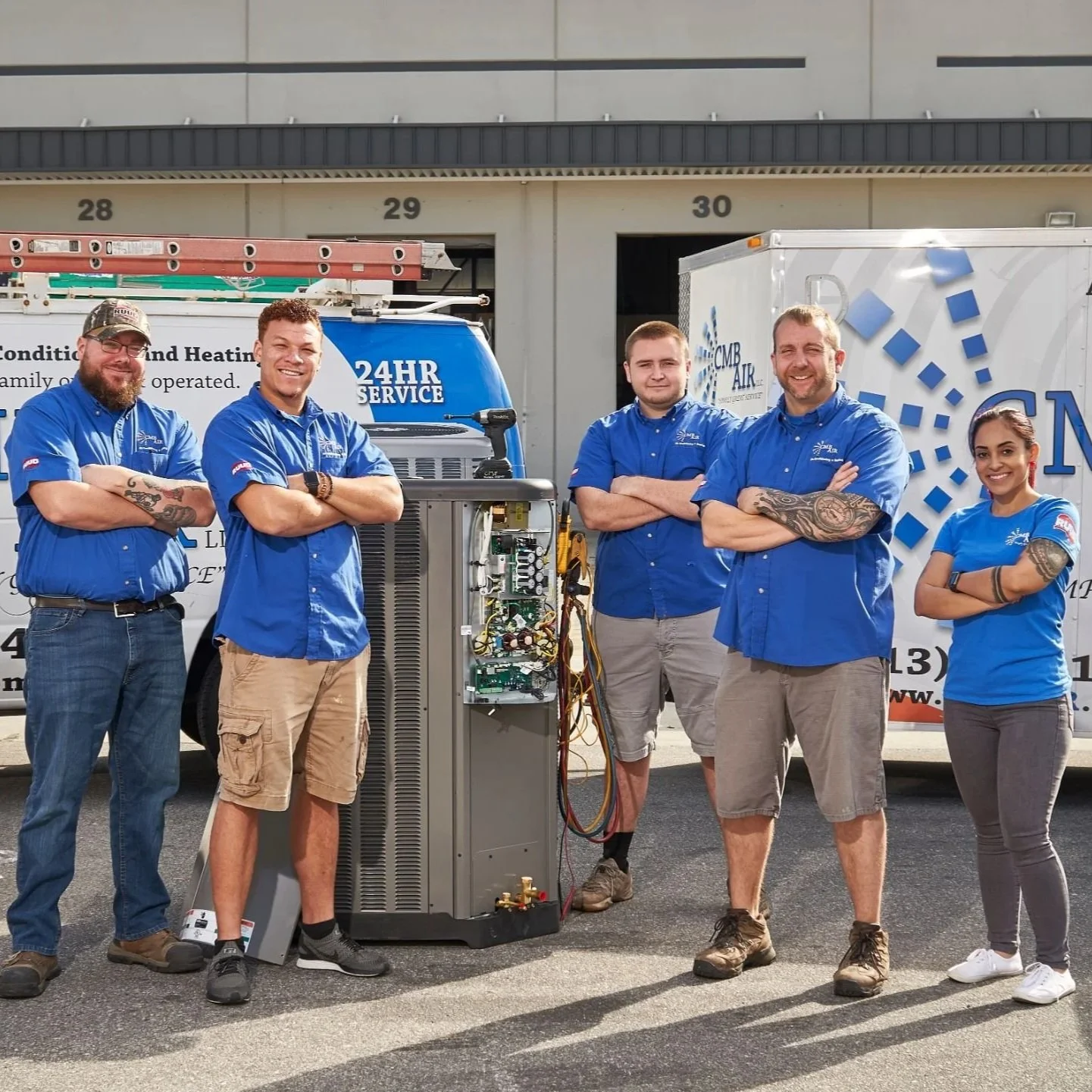
A professional HVAC technician examines an aging air conditioner, identifying warning signs that indicate it’s time for a new AC system.
Rising Energy Bills That No Longer Match Usage Patterns
Homeowners in Tampa, Florida, often notice energy bills creeping upward long before an air conditioning system fully breaks down. At first, increases seem easy to explain. Summers feel hotter, utility rates change, or someone starts working from home more often. Over time, though, those explanations stop lining up with reality. The system runs longer, yet comfort does not improve, and monthly costs continue climbing even when household habits remain stable. That pattern usually signals declining efficiency rather than external factors. Aging components lose their ability to transfer heat effectively, and minor performance losses compound into longer runtimes that quietly inflate energy use.
Many older AC systems struggle most during Tampa’s peak humidity months. As coils wear and airflow weakens, systems rely on brute force rather than efficient operation to maintain temperature. Compressors cycle more frequently, fans work harder, and electrical draw increases across the board. Homeowners often attempt to compensate by adjusting thermostat settings, which only accelerates the problem. Rising energy bills rarely stem from a single failure point. Instead, they reflect cumulative wear across multiple components that no longer operate in sync under sustained heat and moisture loads.
Ignoring persistent bill increases often leads to a cycle of minor repairs that never restore original efficiency. Capacitors, contactors, and fan motors get replaced, but the system’s core performance continues to slide. Over years of operation in Tampa’s climate, inefficiency becomes structural rather than fixable through tune-ups. When energy costs rise faster than comfort improves, replacement usually becomes the more practical long-term decision.
Uneven Cooling From Room To Room
Temperature imbalance ranks among the most common complaints in Tampa homes nearing AC replacement. Certain rooms remain warm and muggy while others cool quickly, even though vents appear open and unobstructed. Bedrooms far from the air handler often struggle the most, especially during the afternoon heat when systems operate at full capacity. Homeowners frequently blame ductwork or insulation alone, but uneven cooling often signals a system that no longer moves air or removes heat effectively across the entire home.
As AC systems age, blower performance declines, and coils accumulate wear, restricting heat transfer. Airflow weakens, static pressure rises, and the system loses its ability to push conditioned air evenly through the duct network. Tampa’s attic heat amplifies these issues by warming ducts before cooled air reaches living spaces. Over time, small imbalances grow into persistent comfort problems that resist basic adjustments. Closing vents or adjusting dampers usually worsens the situation by creating pressure imbalances that further strain equipment.
Uneven cooling also carries long-term implications beyond comfort. Areas that stay warmer and more humid become vulnerable to moisture buildup, mold growth, and material degradation. The AC system works harder to compensate, accelerating wear on already-stressed components. When uneven temperatures become the norm rather than an occasional annoyance, the system often lacks the capacity or internal condition required to serve the home reliably.
Frequent Repairs With Short-Term Results
An aging AC system in Tampa rarely fails all at once. Instead, problems surface in a steady stream of service calls that feel manageable individually but exhausting over time. One year brings a capacitor replacement. The next summer involves refrigerant adjustments or a blower motor issue. Each repair temporarily restores operation, but comfort and reliability never fully return. Homeowners often feel trapped in a cycle where the system technically works yet constantly demands attention.
Frequent repairs indicate that core components operate near their limits. Compressors run longer cycles to overcome declining efficiency. Electrical parts experience higher loads and fail more often under sustained heat. Refrigerant pressures drift as coils lose effectiveness. Tampa’s climate accelerates these failure patterns because systems run for most of the year with little recovery time. Minor fixes address symptoms rather than the underlying deterioration driving repeated breakdowns.
Over time, repair costs accumulate quietly. Each service visit seems reasonable in isolation, but total spending rivals replacement costs within a few seasons. More importantly, reliability continues to decline. Homeowners lose confidence in their system’s ability to handle extreme heat days or unexpected weather swings. When repairs become routine rather than occasional, replacement often restores both comfort and predictability that patchwork fixes cannot deliver.
Humidity Problems That Never Fully Go Away
Humidity issues often reveal deeper problems within an aging AC system, especially in Tampa’s moisture-heavy environment. Homes feel sticky even when indoor temperatures read low. Windows fog, musty odors linger, and the air feels heavy rather than refreshing. Many homeowners assume humidity relates only to outdoor conditions, but a properly functioning AC system plays a central role in moisture control. When systems lose that ability, discomfort follows quickly.
As systems age, coils struggle to remain cold long enough to extract moisture efficiently. Oversized units exacerbate the problem by cooling air too quickly and shutting down before removing sufficient humidity. Airflow issues further reduce moisture removal by moving air across coils too fast. Tampa homes feel these effects more intensely because outdoor humidity rarely drops low enough to compensate naturally. The system must handle moisture consistently rather than intermittently.
Persistent humidity problems also affect the home itself. Excess moisture encourages mold growth, damages wood materials, and stresses indoor finishes over time. Homeowners may invest in portable dehumidifiers to compensate, but those devices treat symptoms rather than causes. When an AC system no longer controls humidity effectively, replacement is often necessary to restore comfort and indoor air quality.
Unusual Noises During Normal Operation
Air conditioning systems produce some noise during operation, but changes in sound often signal developing issues. Tampa homeowners frequently report gradual, rather than sudden, rattling, buzzing, grinding, or squealing noises. At first, sounds seem harmless or occasional, but they grow more frequent as components wear. Each noise reflects mechanical stress that worsens under continuous operation during long cooling seasons.
Rattling often points to loose components or deteriorating mounts, especially in outdoor units exposed to weather and vibration. Buzzing may indicate electrical issues such as failing contactors or capacitors under increased load. Grinding and squealing are typically caused by bearings or fan motors nearing the end of their service life. Tampa’s heat accelerates wear by increasing operating temperatures and extending runtime, which magnifies even minor mechanical flaws.
Ignoring unusual noises often leads to more serious failures. Components that strain audibly today may seize or short out tomorrow during peak demand. Repairs address individual parts, but the system’s overall condition continues declining. When noise becomes part of everyday operation rather than an occasional anomaly, replacement often proves more reliable than chasing isolated mechanical issues.
AC System Age And Outdated Technology
System age alone does not mandate replacement, but it strongly influences performance expectations. Many AC systems operating in Tampa today have served for a decade or more under harsh conditions. Even well-maintained equipment experiences a gradual efficiency loss as materials fatigue and tolerances widen. Older systems also lack modern design improvements that enhance humidity control, airflow modulation, and energy management.
Technological advances change how systems respond to Tampa’s climate. Newer systems operate with variable-speed components that adjust output smoothly rather than cycling aggressively. That behavior improves comfort and reduces wear by matching capacity to demand. Older systems rely on fixed-speed operation that struggles to adapt to fluctuating heat and humidity levels. As a result, comfort feels less stable, and energy use increases even when systems remain operational.
Long-term ownership considerations matter as well. Replacement parts for older systems become harder to source and more expensive over time. Compatibility issues arise as manufacturers phase out legacy components. Homeowners often face longer repair timelines during peak season when parts availability tightens. At some point, system age shifts from a background detail to a limiting factor that affects reliability, comfort, and serviceability throughout the home.
Reduced Airflow Despite Open Vents And Clean Filters
Reduced airflow often confuses homeowners because it feels subtle at first. Vents remain open, filters get replaced regularly, and the system still turns on, yet rooms never cool the way they used to. In Tampa, Florida, this issue becomes apparent quickly during long summer stretches, when AC systems run for hours without pause. Weak airflow usually points to internal wear rather than a simple blockage. Blower motors lose efficiency over time, fan blades accumulate buildup, and evaporator coils restrict airflow as surfaces degrade. Each factor alone may seem minor, but together they choke the system’s ability to move air effectively.
As airflow declines, cooling performance suffers in ways that ripple throughout the home. Rooms farthest from the air handler struggle most, while closer areas may feel overcooled. Homeowners often adjust thermostats lower in response, which increases runtime and strain without improving distribution. Tampa’s attic heat compounds the problem by warming air inside ductwork before it reaches living spaces, masking airflow issues until comfort complaints become constant rather than occasional.
Long-term consequences extend beyond discomfort. Reduced airflow forces compressors to run hotter and longer, accelerating wear and increasing failure risk during peak demand. Moisture removal also declines as air passes too quickly or unevenly across coils. When airflow problems persist despite basic maintenance, the system often lacks the internal condition needed to recover through repairs alone.
Short Cycling And Inconsistent Run Times
Short cycling is a pattern in which an AC system turns on and off frequently without completing a full cooling cycle. Tampa homeowners often notice this behavior on days with moderate heat or high humidity, when systems should operate steadily. Short cycles create noticeable temperature swings and prevent effective moisture removal. Many homeowners assume the system works harder this way, but the opposite holds true. Frequent starts and stops increase electrical stress while reducing overall cooling efficiency.
Several factors contribute to short cycling in aging systems. Oversized equipment cools air too quickly and shuts down before stabilizing indoor conditions. Failing sensors and control components misread temperatures, triggering premature shutdowns. Refrigerant imbalances and airflow restrictions also disrupt normal operation. Tampa’s climate magnifies these issues because humidity loads remain high even when temperatures fluctuate slightly.
Over time, short cycling accelerates component wear. Compressors endure repeated startup stress, electrical parts degrade faster, and comfort remains inconsistent. Repairs may correct individual triggers, but underlying system mismatch or internal deterioration often persists. When short cycling becomes routine rather than occasional, replacement is often more effective than continued troubleshooting in restoring stable operation.
Poor Indoor Air Quality And Lingering Odors
Indoor air quality concerns often surface alongside aging AC systems, especially in Tampa’s humid environment. Homeowners notice musty smells, persistent dust, or stale air that never quite clears. While duct cleanliness and filtration matter, the AC system plays a central role in circulating and conditioning indoor air. As systems age, their ability to manage moisture and airflow weakens, allowing odors and particulates to linger longer than they should.
Moisture-related odors often stem from evaporator coils and drain systems that no longer manage condensation effectively. Biofilm buildup, restricted drainage, and inconsistent runtime create conditions that allow odors to develop and spread throughout the home. Tampa’s humidity accelerates this process by feeding microbial growth whenever moisture remains trapped inside the system. Homeowners may treat symptoms with air fresheners or duct cleaning, but those measures rarely address root causes tied to system condition.
Long-term exposure to poor indoor air quality affects comfort and health perceptions. Homes feel less fresh, and occupants may experience increased irritation or allergy symptoms. When air quality issues persist despite maintenance efforts, the AC system often lacks the performance margin needed to maintain a clean, balanced indoor environment.
Inability To Maintain Comfort During Peak Heat
One of the clearest signs an AC system nears replacement appears during Tampa’s hottest days. Systems run continuously but never quite reach the desired temperature. Indoor conditions hover several degrees above setpoints, and humidity remains noticeable. Homeowners often describe the system as doing its best but falling short, especially during late afternoon and early evening hours when heat load peaks.
Aging systems lose capacity gradually rather than suddenly. Heat transfer efficiency declines as coils wear, refrigerant circuits lose precision, and compressors weaken. Tampa’s extended heat waves expose these losses more aggressively than milder climates. Homes that once cooled comfortably now struggle, even when outdoor temperatures match past summers. Adjusting the thermostat lower only increases runtime without restoring lost capacity.
Sustained inability to maintain comfort strains every component. Systems operate at full output for extended periods, increasing failure risk precisely when cooling matters most. Replacement often becomes the only way to regain dependable performance during the conditions that define daily life in Tampa.
FAQs
Most systems last between ten and fifteen years in Tampa due to long cooling seasons and high humidity. Proper maintenance extends equipment's lifespan, but climate conditions consistently stress equipment.
Repairs can temporarily restore function, but repeated issues usually indicate broader system decline. At some point, replacement offers better reliability and comfort than continued repairs.
Efficiency helps reduce operating costs, but comfort also depends on airflow, humidity control, and system sizing. Newer systems often improve comfort through better modulation rather than solely through efficiency.
Humidity issues can involve insulation or ventilation, but AC performance plays a major role. When systems fail to remove moisture effectively, indoor humidity problems often follow.
Many Tampa homeowners choose replacement proactively to avoid breakdowns during extreme heat. Planned replacement allows better scheduling and avoids emergency conditions during peak season.
