How Preventive Maintenance Extends the Lifespan of a Heating System
Understanding the importance of preventive care helps protect valuable heating investments and maintain consistent indoor comfort throughout challenging weather conditions.
Regular preventive maintenance stands as a cornerstone of maintaining optimal heating system performance and longevity. By implementing proper maintenance strategies, property owners can significantly lengthen the operational life of their HVAC systems while maintaining peak efficiency. Understanding the importance of preventive care helps protect valuable heating investments and maintain consistent indoor comfort throughout challenging weather conditions.
The Value of Professional Maintenance
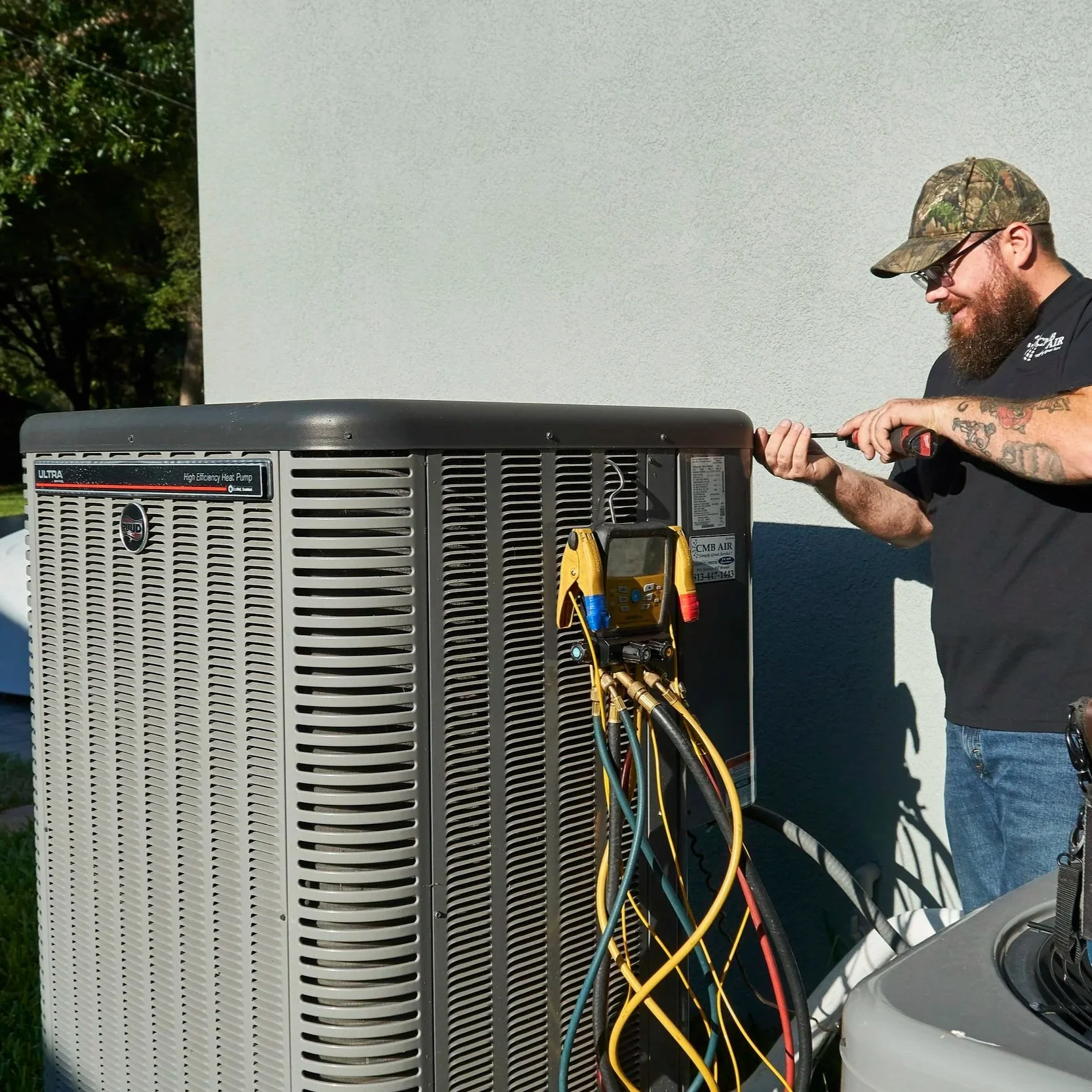
Professional HVAC technicians bring specialized knowledge and tools required for comprehensive system evaluation and maintenance. Regular professional servicing identifies potential issues before they escalate into major problems requiring costly repairs. Licensed technicians have the expertise to thoroughly inspect all components, calibrate settings, and verify compliance with manufacturer specifications for optimal performance.
Common Maintenance Procedures
Annual maintenance holds several critical procedures that make sure heating systems operate efficiently. Professional technicians clean or replace air filters, inspect electrical connections, test safety controls, and examine combustion efficiency. This inspection process involves checking heat exchangers for cracks, analyzing blower performance, and verifying the proper operation of thermostats.
Timing Maintenance Services
Scheduling maintenance services before peak heating season allows adequate time for necessary repairs and adjustments. Late summer or early fall provides an ideal window for comprehensive system inspection and servicing. Planning maintenance during these periods helps avoid emergency service calls during extreme weather conditions when HVAC companies experience high demand. Fall is typically a time when the high temperatures of summer have passed and the weather is not yet dangerously cold.
Filter Maintenance Requirements
Clean filters are fundamental in maintaining system efficiency and securing optimal air quality. Regular filter changes slow the accumulation of dust and debris that restricts airflow and forces systems to work harder. Different filter types require varying replacement schedules, based on household size, the presence of pets, and local air quality conditions.
Benefits of Clean Ductwork
Professional duct cleaning removes accumulated debris that impacts system efficiency and indoor air quality. Clean ductwork allows unrestricted airflow throughout the heating system, reducing strain on mechanical components. Regular duct maintenance prevents the circulation of contaminated air and supports overall system performance.
Impact on Energy Efficiency
Well-maintained heating systems work more efficiently, consuming less energy while delivering consistent comfort. Regular maintenance keeps components clean and properly calibrated, enabling systems to achieve optimal performance with minimal energy consumption. Lower energy usage translates directly into reduced utility costs over the system's lifetime.
Component Longevity Through Maintenance
Each heating system component benefits from regular preventive care. Motors receive proper lubrication, electrical connections maintain secure contact, and heat exchangers stay clean and efficient. These maintenance procedures help components reach or exceed their expected service life, protecting the overall system investment.
Early Problem Detection
Professional maintenance allows technicians to identify emerging issues before complete component failure occurs. Early detection enables planned repairs rather than emergency replacements, often at significantly lower costs. Regular system inspection reveals wear patterns that help predict potential future problems.
Maintaining Warranty Coverage
Many manufacturer warranties require documented professional maintenance to remain valid. Regular service records demonstrate proper system care and support warranty claims if needed. Maintaining complete service documentation protects warranty coverage throughout the equipment's specified warranty period.
Air Quality Considerations
Clean heating systems contribute to improved indoor air quality by preventing the circulation of dust, allergens, and other contaminants through living spaces. Regular maintenance includes cleaning or replacing components that impact air filtration and distribution. Professional servicing helps maintain a healthy indoor environment during the heating season.
Safety Considerations
Professional maintenance includes essential safety checks of all system components. Technicians inspect heat exchangers for dangerous cracks, test carbon monoxide sensors, and verify the proper operation of vents. These safety inspections protect building occupants while helping prevent hazardous system malfunctions.
Cost-Benefit Analysis
While professional maintenance services represent an ongoing investment, the long-term financial benefits typically outweigh the costs. Proper maintenance reduces energy consumption, prevents expensive repairs, and extends equipment life expectancy. Analyzing maintenance costs against potential repair expenses demonstrates clear economic advantages.
Common Signs of Maintenance Needs
Several indicators suggest heating systems require professional attention. Unusual noises, inconsistent heating, higher energy bills, and poor air quality often signal maintenance needs. Recognizing these warning signs allows property owners to schedule service before problems escalate.
Documentation Requirements
Maintaining detailed service records supports warranty coverage and helps track system performance over time. Professional technicians document all maintenance procedures, repairs, and recommendations in detailed service reports. These records provide valuable reference information for future maintenance planning.
Understanding Manufacturer Specifications
Professional technicians maintain systems according to specific manufacturer requirements. Following these specifications supports optimal performance and maintains warranty coverage. Manufacturer guidelines outline maintenance schedules, approved replacement parts, and required service procedures.
Long-term System Planning
Regular maintenance enables better long-term planning for eventual system replacement. Professional technicians track system age, efficiency trends, and repair histories to help property owners make informed decisions about timing future upgrades. This planning allows strategic budgeting for significant system investments.
Seasonal Considerations
Different seasons present varying maintenance requirements for heating systems. Summer maintenance focuses on preventive care and system preparation, while winter service often addresses performance issues. Understanding seasonal impacts helps determine the optimal timing for maintenance.
Professional maintenance represents a vital investment in the longevity and performance of heating systems. Regular servicing by qualified technicians supports efficient operation, prevents costly repairs, and maintains healthy indoor environments. Property owners who prioritize preventive maintenance typically experience better system reliability, lower operating costs, and extended equipment life spans. Implementing comprehensive maintenance programs delivers measurable benefits while protecting valuable heating system investments for years of dependable service.
Call CMB Air when you need help with your heating system. We offer a wide variety of heating services ranging from HVAC replacement, HVAC blower motor, heating installation and replacement, and heating repair and maintenance to heat pump installation, heat pump repair, and heat pump replacement. As a family owned and operated full-service HVAC contractor, we provide quality maintenance and repair. State licensed, insured, and bonded. Get in touch with our experts.