
How Does Duct Fogging Work in Homes and Businesses?
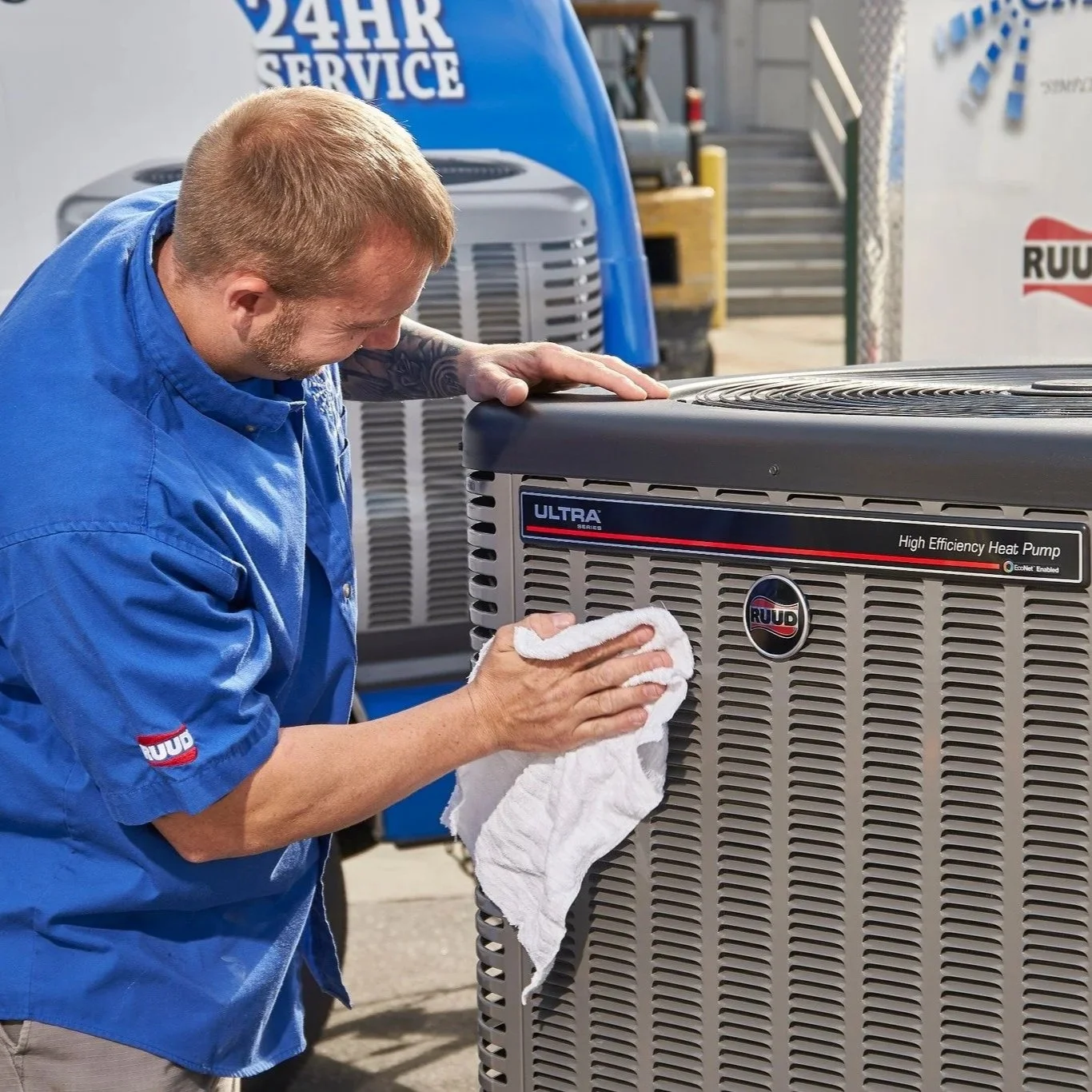
A technician distributes a controlled fogging mist through an HVAC system to help reduce odors and surface-level contaminants inside ductwork.
What Duct Fogging Is and Why It Exists in HVAC Systems
Duct fogging is a method used in air conditioning systems to apply a fine mist treatment throughout the interior of ductwork. The process targets contaminants that accumulate in ducts over time, including microbial growth, odor-causing residues, and organic material that standard filtration never captures. In homes and businesses across Tampa, Florida, HVAC systems run for long stretches of the year, moving warm, moisture-laden air through enclosed passages that remain out of sight. Over time, those conditions allow microscopic issues to develop quietly inside the system, even when living spaces appear clean and well-maintained.
The purpose of duct fogging is not to clean debris or correct airflow problems, but to address surface-level contamination within the air distribution network. Fogging agents disperse as tiny particles designed to travel with airflow and settle along duct walls, seams, and interior surfaces. These areas are rarely addressed during routine maintenance and cannot be reached with basic tools. The service exists because duct interiors serve as long-term holding zones for moisture and organic matter, especially in humid climates where condensation events are frequent. Without addressing those internal conditions, odors and air quality complaints often return despite regular filter changes and visible system upkeep.
How the Duct Fogging Process Is Carried Out
Professional duct fogging begins with system preparation rather than chemical application. Technicians isolate the HVAC system, identify appropriate access points, and evaluate airflow characteristics before any fogging agent enters the duct network. Air handlers, return plenums, or designated service ports often serve as injection locations, depending on system design. In Tampa homes and commercial spaces, duct layouts vary widely, ranging from compact residential runs to sprawling commercial networks with multiple branches, dampers, and zones that influence how fog travels.
During application, specialized equipment generates a controlled mist with particle sizes small enough to remain airborne long enough to distribute evenly. System fans operate at calculated speeds to move the fog through the ducts without forcing it into insulation layers or causing moisture accumulation. Technicians monitor distribution through visual cues at supply vents and pressure readings to confirm coverage. Improper execution can result in uneven treatment, residue buildup, or missed sections. Effective duct fogging relies on understanding airflow behavior rather than simply introducing chemicals and hoping for coverage, which separates professional application from improvised approaches.
Types of Fogging Agents Used in Air Conditioning Ducts
Duct fogging agents fall into several categories, each designed for specific conditions inside HVAC systems. Some products focus on microbial control, using disinfectants approved for HVAC use that target bacteria and mold present on duct surfaces. Others emphasize odor neutralization, binding chemically with organic compounds rather than masking smells with fragrance. In Tampa, Florida, high humidity often shifts focus toward agents that address moisture-related growth rather than cosmetic odor concerns alone.
Selection of the appropriate agent depends on duct material, system age, and the nature of the contamination. Metal ducts respond differently from flexible ducts or internally lined systems, which may absorb moisture or chemicals more readily. Some agents work effectively on non-porous surfaces but lose potency when applied to porous liners. Experienced providers evaluate these variables before choosing a product. Homeowners and business operators benefit from understanding that fogging agents are not interchangeable and that improper selection can limit effectiveness or introduce unintended side effects within the system over time.
System Conditions That Influence Fogging Performance
The performance of duct fogging depends heavily on the condition and configuration of the HVAC system itself. Airflow balance is crucial, as an uneven distribution can prevent fog from reaching all sections of the duct network. Systems with crushed flex duct, restrictive returns, or poorly sealed connections often experience inconsistent results. In Tampa, properties that have undergone additions or partial renovations may have duct modifications that create pressure imbalances, complicating fogging outcomes.
Humidity control also influences how long fogging benefits persist. Systems that struggle to manage indoor moisture can cause condensation in ducts, which can shorten the lifespan of antimicrobial treatments. Oversized air conditioning units that short cycle fail to remove sufficient moisture, while undersized systems may operate continuously, affecting how fog settles. Duct fogging does not correct these conditions, but its success depends on them. Evaluating system performance alongside fogging decisions helps align expectations with realistic outcomes.
Differences Between Residential and Commercial Applications
While the core principles of duct fogging remain consistent, residential and commercial applications differ in scope and complexity. Homes typically feature shorter duct runs with fewer branches, allowing fog to travel relatively easily throughout the system. Commercial buildings often contain extensive duct networks with multiple zones, dampers, and air handling units that require segmented application. In Tampa, businesses such as offices, retail spaces, or medical facilities may undergo duct fogging in phases to minimize disruption to operations.
Commercial systems also face stricter considerations regarding occupant exposure and ventilation timing. Larger spaces may require extended circulation periods after fogging to clear residual mist. Additionally, commercial duct systems often include a variety of materials and older infrastructure, which can affect agent compatibility. Understanding these differences helps property owners recognize why duct fogging approaches and outcomes vary between homes and businesses, even when addressing similar concerns.
Common Reasons Duct Fogging Is Recommended
Duct fogging often comes up after specific events rather than as routine maintenance. Water intrusion from roof leaks, flooding, or condensate drain failures frequently introduces moisture into duct systems, creating conditions for microbial growth. Tampa’s storm patterns and humidity increase the likelihood of such scenarios. Fogging may also follow pest intrusion, where droppings and nesting materials leave behind odors and bacteria that circulate through the system.
Another common trigger involves persistent odors that return after cleaning visible areas. Cooking smells, smoke residue, or long-term pet odors can embed within duct surfaces over years of circulation. Fogging addresses absorbed compounds rather than just surface air. In commercial settings, tenant turnover or renovations may prompt fogging to reset air quality after construction dust or material off-gassing infiltrates ductwork. Each recommendation should tie back to a documented condition rather than a generic service upsell.
Misconceptions About What Duct Fogging Can Accomplish
Duct fogging is often misunderstood, leading to unrealistic expectations. The process does not remove dust, debris, or construction material lodged inside ducts. Mechanical duct cleaning remains necessary when physical buildup exists. Fogging applied over dirty ducts may coat debris rather than neutralize it, limiting effectiveness. Another misconception concerns allergy relief: fogging does not eliminate pollen or outdoor particulates that enter through infiltration and ventilation.
Some homeowners and business owners believe fogging permanently resolves indoor air quality concerns. In reality, untreated moisture issues, leaky ductwork, or inadequate filtration continue to introduce contaminants. Fogging addresses existing conditions but does not prevent future accumulation. Recognizing these limitations helps property owners view duct fogging as a targeted intervention rather than a comprehensive solution that replaces proper HVAC maintenance.
How Duct Fogging Fits Within Broader HVAC Care
Duct fogging occupies a specific role within overall air conditioning system care. It complements other measures such as coil cleaning, filter upgrades, and airflow optimization by addressing areas that those services cannot reach. In Tampa, Florida, where HVAC systems operate heavily, internal duct conditions often receive less attention than visible components despite their influence on air quality.
When integrated thoughtfully, duct fogging supports broader maintenance goals rather than standing alone. Its value increases when paired with addressing root causes such as moisture control and system sealing. Viewing fogging as part of a coordinated approach rather than a standalone fix allows homeowners and businesses to make informed decisions based on system condition and long-term performance.
Health, Safety, and Occupancy Considerations During Duct Fogging
Duct fogging introduces chemical agents into an enclosed air distribution system, raising questions about occupant safety and exposure. In both homes and businesses around Tampa, Florida, proper planning around occupancy plays a critical role in how the service is performed. During application, technicians typically recommend that occupants and pets vacate the space while the fog circulates and settles. This precaution limits direct inhalation during the active fogging phase and allows time for excess mist to dissipate through controlled system operation.
Post-application procedures matter just as much as the fogging itself. Ventilation cycles help clear residual particles, and system run times are adjusted based on building size and layout. Commercial properties may require longer clearance periods due to larger duct volumes and more complex airflow patterns. Sensitivity varies from person to person, particularly among individuals with respiratory conditions, making clear communication essential. When fogging occurs without proper clearance planning or when unsuitable products are used, discomfort such as throat irritation or lingering odors may follow. Understanding these factors helps property owners weigh comfort considerations alongside potential benefits.
How Duct Fogging Interacts With Indoor Air Quality Over Time
Duct fogging influences indoor air quality by addressing contaminants already present within duct interiors, but its impact unfolds over time rather than delivering an instant transformation. After treatment, many property owners notice reduced odor persistence or fewer musty smells when systems cycle. These changes reflect the neutralization of existing residues rather than a shift in how air enters the building. In Tampa’s humid environment, ongoing outdoor air infiltration continues introducing moisture and particulates, which means fogging works within a dynamic system rather than a sealed environment.
Longer-term outcomes depend on how well the HVAC system manages moisture and filtration after fogging. Systems that maintain stable humidity levels tend to preserve results longer than those that struggle with condensation. Duct fogging does not prevent new contaminants from entering, so air quality improvements remain tied to broader system performance. Viewing fogging as one step in an ongoing process rather than a permanent state helps align expectations with real-world conditions experienced in both residential and commercial settings.
Comparing Duct Fogging With Other Indoor Air Treatments
Property owners often compare duct fogging with alternative indoor air treatments when deciding how to address air quality concerns. Filtration upgrades capture airborne particles before they enter ductwork, while UV systems focus on suppressing microbial growth near coils and drain pans. Duct fogging differs by addressing contamination already residing inside duct surfaces rather than intercepting it at entry points. Each approach targets a different part of the air conditioning system, which explains why no single solution fits every situation.
In Tampa, Florida, many homes and businesses combine methods based on specific conditions. A property dealing with recurring coil growth may prioritize UV treatment, while one affected by lingering odors after water damage may lean toward fogging. Understanding how these options complement rather than replace one another helps owners avoid redundant spending. Duct fogging fills a narrow but important role when duct interiors represent the primary source of air quality complaints.
Long-Term Ownership Implications for Homes and Businesses
Over the long term, duct fogging influences how property owners think about HVAC stewardship rather than changing system mechanics. Owners who understand the conditions that led to fogging often become more attentive to moisture control, drainage performance, and filtration quality. In Tampa’s climate, these factors shape system longevity and comfort far more than one-time treatments alone.
Businesses may incorporate fogging into post-renovation protocols or tenant turnover processes to address residual odors and contaminants before reoccupancy. Homeowners may reserve fogging for rare events rather than recurring appointments. In both cases, fogging serves as a corrective tool rather than a maintenance shortcut. Recognizing its place within long-term ownership planning helps prevent overreliance while still appreciating its value when circumstances warrant intervention.
FAQs
Duct fogging disperses a fine mist through the ductwork using controlled airflow. The fog settles on interior duct surfaces, targeting microbial growth and odor-causing residues that standard maintenance cannot reach.
Duct fogging can be used in residential and commercial properties, though application methods differ. Commercial systems often require phased application and longer ventilation periods due to size and complexity.
Occupants typically leave during application and return after ventilation cycles clear residual mist. Clearance time depends on system size and airflow characteristics.
Duct fogging does not replace mechanical duct cleaning. Cleaning removes physical debris, while fogging addresses surface level contamination and odors.
Duct fogging becomes most beneficial after water intrusion, pest activity, persistent odors, or renovations that introduce contaminants into duct systems.
