
What Is Duct Fogging? An Explanatory Overview for Tampa, FL Residents
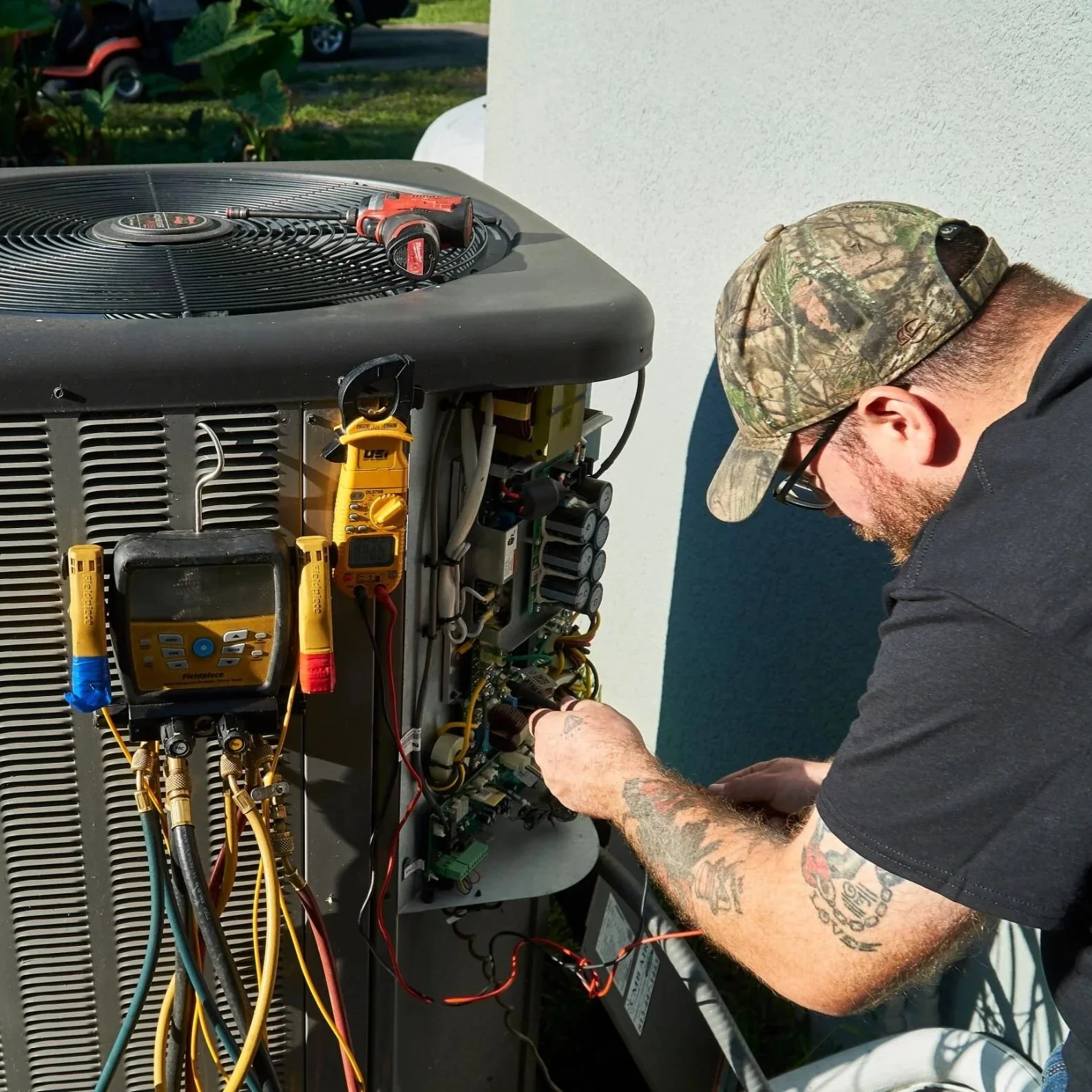
Duct fogging distributes a fine disinfectant mist through residential HVAC ducts, helping Tampa homeowners combat humidity-driven odors and hidden microbial buildup.
Understanding Duct Fogging and Why It Exists in Modern HVAC Care
Duct fogging is the controlled application of a fine mist disinfectant or deodorizing solution throughout an HVAC duct system using specialized fogging equipment. The process targets airborne and surface-level contaminants that accumulate in ductwork over time, including microbial growth, odor-causing particles, and moisture-related residue. In Tampa, Florida, where humidity remains high for much of the year, duct interiors often provide a welcoming environment for mold spores, bacteria, and organic debris that travel unnoticed through conditioned air. Duct fogging emerged as a response to these conditions, offering a way to address internal air pathway hygiene without removing or replacing duct components.
Homeowners often first hear about duct fogging after noticing persistent odors, worsening indoor allergy symptoms, or a musty smell that returns shortly after filter changes. Air conditioning systems cycle large volumes of air through enclosed duct networks, and any contamination inside those passages continues to circulate repeatedly. Fogging does not function as a substitute for mechanical duct cleaning, nor does it serve as a surface wipe-down. Instead, the technique disperses micron-sized particles designed to settle along duct walls, bends, and transitions where traditional tools cannot reach. Understanding its purpose helps clarify when duct fogging plays a meaningful role in air conditioning maintenance versus situations where it adds little value.
How Duct Fogging Is Performed Inside Residential Systems
Professional duct fogging involves sealing the HVAC system and introducing the fogging agent through access points such as the air handler or return plenum. Technicians calibrate particle size and pressure so the mist travels evenly without oversaturating insulation or flex duct materials. Tampa homes often feature a mix of rigid metal ducts and flexible runs routed through attics, which creates varied airflow resistance. A properly executed fogging procedure accounts for these differences, adjusting dwell time and distribution to prevent pooling or uneven coverage that could lead to residue buildup.
The process requires coordination with the system airflow rather than a brute-force application. Fans are typically operated at controlled speeds to guide the fog through the entire network while avoiding excessive condensation. Experienced technicians monitor pressure changes and visual indicators at supply registers to confirm distribution consistency. Many homeowners assume fogging resembles spraying a room deodorizer into vents, but that misconception overlooks the engineering involved. Incorrect fogging can push moisture into insulation layers or leave untreated pockets behind. Effective application depends on system knowledge, airflow behavior, and familiarity with local construction styles common throughout Tampa neighborhoods.
Types of Fogging Solutions Used in Air Conditioning Ducts
Several categories of fogging agents exist, each formulated for specific goals within duct systems. Some products focus on microbial suppression, using EPA-registered disinfectants designed for HVAC applications. Others emphasize odor neutralization, binding to organic compounds rather than masking smells with fragrance. In humid environments like Tampa, solutions that address mold and bacterial growth tend to dominate discussions, especially in homes with past water intrusion or inconsistent cooling performance.
The selection of a fogging solution matters more than many homeowners realize. Certain agents remain effective only on non-porous surfaces, while others are designed to interact with porous duct liners. Improper pairing can result in limited efficacy or unintended chemical interactions. Professional providers evaluate duct material, system age, and prior contamination history before choosing a product. Residents may encounter marketing claims suggesting universal fogging solutions, yet real-world performance varies widely based on environmental factors, such as attic temperatures, system run times, and regional humidity patterns, which influence how long agents remain active in the ductwork.
Common Situations Where Duct Fogging Is Recommended
Duct fogging often comes up after confirmed microbial growth in HVAC systems. Homes that experienced roof leaks, flooding, or prolonged condensate drain failures frequently develop hidden contamination within duct interiors. In Tampa, seasonal storms and high moisture loads raise the likelihood of such events. Fogging may also be recommended after rodent or pest intrusion, where droppings and nesting materials introduce odors and bacteria that standard air filtration cannot address.
Another scenario involves long-term odor persistence with no visible source inside living spaces. Cooking smells, smoke residue, or pet odors can embed in duct surfaces over time. Fogging addresses these absorbed compounds rather than surface-level air freshening. Situations following major renovations also prompt consideration, particularly when construction dust infiltrates duct systems before final sealing. Each recommendation should directly address a diagnosed condition rather than a routine add-on, since unnecessary applications provide limited benefit and may introduce avoidable chemical exposure.
Limitations and Misconceptions Surrounding Duct Fogging
Duct fogging does not remove physical debris, dust accumulation, or construction material lodged inside ducts. Those conditions require mechanical cleaning through agitation and extraction. Fogging applied over dirty ducts may coat debris rather than neutralize it, reducing effectiveness and potentially creating new odor issues. Another misconception involves allergy relief expectations. While fogging can reduce microbial presence, it does not eliminate pollen, outdoor particulates, or all allergens entering through ventilation and infiltration pathways common in Florida homes.
Some residents believe duct fogging permanently resolves indoor air quality issues. In reality, underlying moisture problems, insufficient filtration, or poor system design will continue to introduce contaminants. Fogging addresses symptoms within ducts but cannot correct airflow imbalances, leaky returns, or oversized systems that short cycle and fail to dehumidify properly. Recognizing these limitations helps homeowners evaluate duct fogging as part of a broader air conditioning strategy rather than a standalone solution that replaces maintenance and system optimization.
Relationship Between Duct Fogging and Indoor Humidity Control
Humidity plays a central role in determining whether duct fogging delivers lasting results. Tampa air conditioning systems operate not only to cool spaces but also to remove moisture from indoor air. When humidity control falls short due to oversized equipment or restricted airflow, moisture can linger in the ductwork even after fogging. Residual dampness shortens the lifespan of antimicrobial treatments and allows microbial regrowth.
Effective duct fogging often coincides with evaluations of system performance, condensate drainage, and return air pathways. Addressing humidity at the system level extends the benefits of fogging by reducing conditions that support contamination. Homeowners who invest in fogging without correcting moisture issues may experience temporary improvement followed by recurrence. Understanding this relationship clarifies why reputable providers frame fogging as a complementary service rather than a cure-all for indoor air challenges common throughout Tampa, Florida.
Interaction Between Duct Fogging and HVAC System Materials
HVAC duct systems incorporate a variety of materials, each responding differently to fogging applications. Metal ducts tolerate most approved fogging agents well, offering non-porous surfaces that resist absorption. Flexible ducts and internally lined ducts present additional considerations, as porous insulation layers can retain moisture and chemicals if applied incorrectly. Tampa homes built across different decades often feature mixed materials from renovations and system upgrades, increasing the importance of material assessment before fogging.
Compatibility between fogging agents and duct materials influences both safety and effectiveness. Certain products may degrade adhesives or insulation binders over time, particularly in high-temperature attic environments. Knowledgeable technicians account for these factors, adjusting concentration and exposure time accordingly. Homeowners benefit from understanding that duct fogging is not a one-size approach and that system composition shapes both risk and outcome. This awareness supports informed decisions rather than relying on generalized claims that overlook construction variability across Tampa neighborhoods.
How Duct Fogging Fits Into Long-Term HVAC Maintenance Planning
Duct fogging occupies a specific niche within comprehensive HVAC maintenance. When used strategically, it complements filtration upgrades, regular coil cleaning, and airflow adjustments. Its value increases when integrated into a plan addressing moisture management, source control, and system cleanliness. In Tampa, Florida, where air conditioning systems are widespread, maintenance planning often prioritizes reliability and comfort while underestimating internal airflow pathways.
Viewing duct fogging as an occasional corrective measure rather than a recurring routine helps align expectations with results. Some homeowners schedule fogging after major events such as water damage remediation or pest removal, while others use it following confirmed microbial findings during inspections. The decision should be based on evidence and system conditions rather than calendar-based scheduling. As part of a broader maintenance approach, duct fogging can contribute to improved air quality when paired with ongoing system care, rather than being treated as an isolated service.
Homeowner Expectations Versus Real World Outcomes
Many homeowners in Tampa, Florida, approach duct fogging expecting an immediate, dramatic shift in how their indoor air feels or smells. In practice, the outcome tends to be more gradual and situation-dependent. Fogging addresses contaminants already present inside the duct system, but it does not stop new particles from entering through daily system operation. Outdoor humidity, open doors, pet activity, and regular household use all reintroduce organic material into the air stream. As a result, improvements often present as reduced odor persistence or fewer irritation triggers rather than a noticeable transformation in airflow or comfort.
Misalignment between expectations and results often stems from overlooking system history. A home with chronic moisture intrusion or recurring drainage issues may only experience short-term benefit from fogging if the underlying causes remain. Conversely, homes with stable humidity control and good filtration may notice longer-lasting improvements after a single application. Realistic expectations recognize duct fogging as a corrective measure rather than a performance upgrade. When evaluated within that frame, homeowners tend to view the results more favorably and avoid disappointment from exaggerated claims.
Health, Safety, and Occupancy Considerations
Duct fogging raises understandable questions about indoor exposure and household safety. Approved fogging agents for HVAC use undergo regulatory review, yet proper application still matters. During fogging, occupants and pets are typically advised to remain out of the home until ventilation clears residual mist. Tampa homes often remain tightly closed during the summer months, which makes post-application ventilation planning especially important to avoid lingering odors or throat irritation.
Sensitive individuals may react differently depending on the product used and existing respiratory conditions. Reputable providers discuss agent selection and post-treatment protocols in advance, explaining how long the system should operate before reoccupancy. Safety concerns increase when fogging occurs without inspection or when products designed for surface spraying are misused inside duct systems. Understanding these considerations helps homeowners weigh benefits against personal health factors rather than relying solely on marketing language.
Comparing Duct Fogging to Alternative Indoor Air Treatments
Duct fogging represents one option among several approaches to improving indoor air conditions. High-efficiency filtration, UV light installation near evaporator coils, and dehumidification upgrades address contamination at different points in the system. Fogging focuses on existing duct interior conditions, while filtration targets incoming particulates, and UV systems suppress microbial growth at moisture-prone components.
In Tampa, Florida, many homes combine methods based on specific needs. A property with recurring coil mold may benefit more from UV treatment, while one with persistent duct odors after water damage may see greater benefit from fogging. Comparing options requires understanding where contamination originates and how it moves through the system. Fogging is best suited when duct interiors are the primary concern rather than ongoing generation at system components or within living spaces.
Cost Factors and Decision Timing
Cost considerations influence how homeowners approach duct fogging decisions. Pricing varies based on system size, accessibility, and agent selection. Larger homes with multiple zones or long duct runs typically require more material and labor. Tampa homes with limited attic access or complex layouts may incur higher costs due to setup time and monitoring requirements.
Timing also affects perceived value. Fogging performed immediately after moisture events, remediation work, or system repairs often delivers a clearer benefit than fogging scheduled without a triggering condition. When homeowners align fogging with identifiable system changes, results feel purposeful rather than speculative. Viewing fogging as a response to specific circumstances rather than routine maintenance supports better decision-making and satisfaction.
FAQs
Duct fogging targets microbial growth, odor-causing residues, and surface-level contaminants inside HVAC ductwork. It does not remove physical debris or correct airflow or moisture problems within the system.
When performed using approved products and proper ventilation procedures, duct fogging is generally safe. Occupants typically leave during application and return after the system circulates fresh air.
Longevity depends on humidity control, system cleanliness, and ongoing moisture exposure. In stable systems, benefits may persist for months, while high-moisture environments may reduce longevity.
Duct fogging does not replace mechanical duct cleaning. Cleaning removes debris, while fogging treats surface-level contamination and odors that remain after cleaning or exposure events.
Duct fogging becomes relevant after water damage, confirmed microbial findings, persistent odors, or pest intrusion. It works best when paired with addressing the underlying cause.
