
Essential Considerations for a Seamless Heating System Replacement
Understanding these elements allows for precise calculations that determine the appropriate system size and specifications needed for optimal performance.
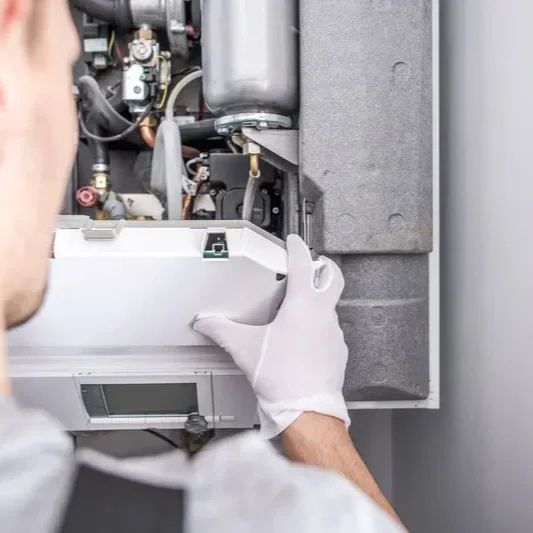
Deciding to replace a heating system involves careful consideration of multiple factors that extend beyond simply selecting new equipment. A well-planned heating system replacement starts with a comprehensive evaluation of the existing setup, including the age of current components, operational efficiency, and any recurring maintenance issues. Professional HVAC technicians analyze the home's heating requirements by examining factors such as square footage, insulation levels, and local climate patterns. Understanding these elements allows for precise calculations that determine the appropriate system size and specifications needed for optimal performance.
System Evaluation and Energy Efficiency
Modern heating systems offer significant advances in energy efficiency compared to older models. The Seasonal Energy Efficiency Ratio (SEER) rating serves as a crucial metric when evaluating potential replacement options. Higher SEER ratings indicate greater energy efficiency, which translates to reduced monthly utility costs and a smaller environmental impact. Additionally, examining the Annual Fuel Utilization Efficiency (AFUE) percentage helps determine how effectively the system converts fuel into usable heat. Contemporary high-efficiency systems can achieve AFUE ratings above 95%, representing substantial improvements over older units that might operate at 70% efficiency or lower.
Cost Analysis and Long-term Value
While the initial investment in a new heating system may appear substantial, calculating the long-term value requires consideration of several economic factors. Operating costs, including fuel consumption and electricity usage, play a significant role in determining the total ownership expense over time. Additionally, maintenance requirements and potential repair costs factor into the overall financial picture. Modern HVAC systems often incorporate advanced diagnostic capabilities and improved component durability, potentially reducing future maintenance expenses. Rebates, tax incentives, and manufacturer warranties can also offset the upfront costs of high-efficiency equipment.
Professional Installation Requirements
Proper installation represents a critical factor in achieving optimal heating system performance. Licensed HVAC professionals possess the expertise necessary to handle complex installation procedures, including proper sizing, ductwork modifications, and integration with existing home systems. Professional installers evaluate factors such as ventilation requirements, combustion safety, and local building codes to guarantee compliance and safety. The installation process encompasses precise measurements, careful equipment positioning, and thorough testing to verify proper operation.
Ductwork Considerations
The condition and configuration of existing ductwork significantly impact heating system efficiency. Professional duct cleaning services remove accumulated debris and contaminants that can restrict airflow and compromise indoor air quality. Thorough inspection may reveal the need for duct sealing or replacement to eliminate leaks and improve distribution efficiency. Modern ductwork designs incorporate advanced materials and installation techniques that minimize heat loss and maintain consistent airflow throughout the home.
Thermostat Technology and Controls
Advanced thermostat technology offers enhanced control options that maximize heating system efficiency. Smart thermostats provide programmable schedules, remote access capabilities, and learning algorithms that adapt to occupant preferences. Integration with home automation systems allows for sophisticated temperature management strategies that balance comfort with energy conservation. Modern control systems can monitor system performance, detect potential issues, and provide maintenance reminders to support optimal operation.
Environmental Impact and Sustainability
Selecting an environmentally conscious heating system demonstrates commitment to sustainability while potentially qualifying for additional incentives. High-efficiency systems reduce carbon emissions through decreased fuel consumption and improved operational efficiency. Some modern heating solutions incorporate renewable energy sources or hybrid technologies that further minimize environmental impact. Understanding available eco-friendly options helps inform decisions that align with both comfort requirements and environmental responsibilities.
Future-proofing and Adaptability
Forward-thinking heating system selection considers potential future needs and technological developments. Modular systems offer flexibility for future expansions or modifications as heating requirements change. Compatibility with emerging smart home technologies and renewable energy systems provides adaptability for future upgrades. Considering these factors during the replacement process helps maximize the long-term value of the investment.
Maintenance Planning and System Longevity
Establishing a comprehensive maintenance strategy extends system lifespan and maintains peak performance. Regular professional HVAC maintenance includes thorough inspections, component cleaning, and performance testing. Creating a maintenance schedule that aligns with manufacturer recommendations protects the investment and prevents unexpected system failures. Professional service agreements often provide priority scheduling and potential cost savings on routine maintenance visits.
Air Quality and Comfort Optimization
Modern heating systems incorporate advanced filtration and air quality features that contribute to a healthier indoor environment. Professional HVAC services include evaluation of ventilation requirements and recommendations for supplemental air quality equipment when necessary. Proper system sizing and airflow management guarantee consistent comfort throughout the living space. Understanding available air quality options helps create a comprehensive heating solution that addresses both comfort and health considerations.
The successful replacement of a heating system depends on careful planning, professional expertise, and consideration of multiple interconnected factors. Partnering with qualified HVAC professionals provides access to specialized knowledge and installation capabilities necessary for optimal results. Strategic evaluation of efficiency ratings, technological features, and long-term costs supports informed decision-making. Through proper installation, regular maintenance, and attention to air quality considerations, a new heating system delivers reliable comfort and efficient operation for years to come. Making educated choices about system replacement represents an investment in home comfort, energy efficiency, and environmental responsibility.
Call CMB Air when you need help with your heating system. We offer a wide variety of heating services ranging from HVAC replacement, HVAC blower motor, heating installation and replacement, and heating repair and maintenance to heat pump installation, heat pump repair, and heat pump replacement. As a family owned and operated full-service HVAC contractor, we provide quality maintenance and repair. State licensed, insured, and bonded. Get in touch with our experts.