
Musty Smell When the AC Turns On? Causes and Fixes
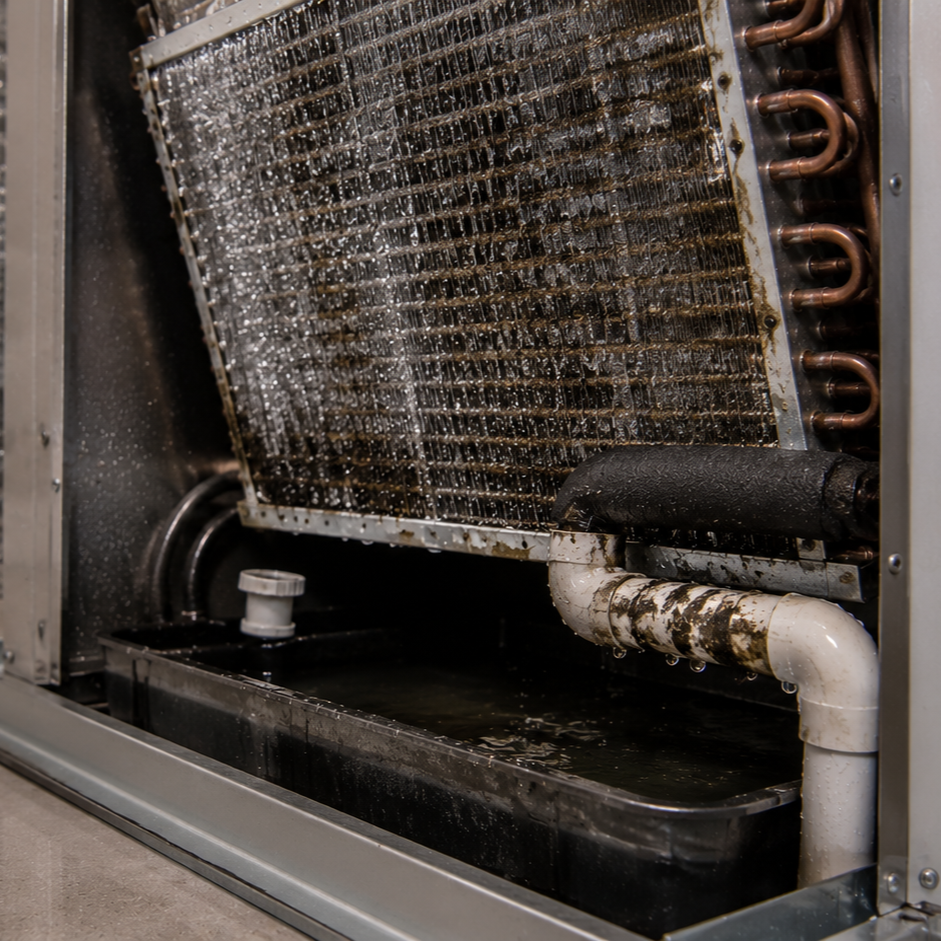
Quick Answer: A musty smell when the AC turns on is usually the smell of mold or mildew growing somewhere in the system, where it's dark and damp. The most common sources are mold on the evaporator coil, in the drain pan, or in the condensate line; a clogged or dirty drain holding standing water; a dirty air filter; moisture sitting in the ductwork; or general dampness in the system. The odor often hits when the AC kicks on because air starts blowing across these damp, mold-prone areas. In a humid climate, the moisture that feeds this growth is abundant. Fixes involve cleaning the affected components and addressing the moisture, ideally through maintenance.
That unmistakable musty, mildewy smell that wafts out when the air conditioner kicks on is unpleasant — and it's telling you something. It's almost always the smell of mold or mildew growing inside the AC system, in the damp, dark places it favors. Understanding where it's coming from and why it hits when the AC starts points you to clearing it for good.
Why It Smells When the AC Turns On
The timing is a clue. The musty smell often appears right when the AC turns on because that's when air starts blowing through the system and across the components where mold and mildew have been growing. The air picks up odors from those damp areas and carries them into your home through the vents. So the smell isn't coming from the air itself — it's coming from growth inside the system that the moving air passes over. This is why a musty odor is so commonly tied to the AC starting up.
The Most Common Cause: Mold and Mildew in the System
An air conditioner is full of damp, dark spots — exactly what mold and mildew need to grow. As the AC removes humidity from the air, moisture condenses inside the system, and where that moisture lingers, mold can develop. The usual locations are the evaporator coil (which is cold and wet during operation), the drain pan that collects condensation, and the condensate drain line. Mold or mildew growing in any of these produces the musty smell, which the airflow then spreads. This is the single most common reason for a musty AC odor, and it's especially common in humid climates where there's abundant moisture to feed the growth.
| Source | Why it smells |
|---|---|
| Mold on the evaporator coil | Cold, wet coil grows mold; air blows across it |
| Drain pan with standing water | Stagnant water breeds mold and mildew |
| Clogged/dirty condensate line | Buildup and standing water turn musty |
| Dirty air filter | Trapped dust and moisture harbor odor |
| Moisture in ductwork | Damp ducts grow mold spread through vents |
Other Contributors
Beyond mold on the main components, a few related issues contribute to the smell. A clogged or dirty drain that holds standing water becomes stagnant and musty, adding to the odor. A dirty air filter, laden with trapped dust and moisture, can harbor and spread smells. And moisture sitting in the ductwork can grow mold that spreads through the vents as air passes through. The common thread across all of these is moisture plus organic material in a dark space — the conditions for mold and mildew. In a humid climate, that moisture is plentiful, which is why musty AC smells are such a frequent complaint.
How It Gets Fixed
The fix is to clean the affected areas and address the moisture feeding the growth. That typically means cleaning the evaporator coil, clearing and cleaning the drain pan and condensate line, and replacing a dirty air filter — removing the mold and mildew where it's growing. If ductwork is involved, addressing moisture and growth there may be needed. Because the smell comes from growth that has established itself in the system, simply masking the odor doesn't work; the source has to be cleaned out. Regular AC maintenance addresses many of these areas — cleaning components and clearing the drain — which both fix a current musty smell and help prevent it from returning. A technician can identify exactly where the growth is and clean it properly.
Don't try to cover a musty AC smell with air fresheners — it'll keep coming back because the mold or mildew is still growing in the system. The smell is a sign to have the coil, drain pan, drain line, and filter cleaned, which removes the source rather than masking it.
Why It's Worth Addressing
A musty AC smell is more than unpleasant — it signals mold or mildew growing in your system and being circulated through your home's air. Beyond the odor, that's a reason to address it for indoor air quality and comfort. It also often points to moisture issues like a clogged drain that can lead to water problems if left unchecked. Cleaning out the growth and addressing moisture clears the smell, removes mold from your air, and resolves any underlying drainage issues. Because the conditions that promote mold growth — moisture in a dark system — are ongoing, especially in a humid climate, consistent maintenance is what keeps the smell from returning. Getting it properly diagnosed and cleaned is the path to fresh-smelling air.
Frequently Asked Questions
Because the smell is usually mold or mildew growing in the damp, dark parts of the system, and when the AC turns on, air blows across those areas and carries the odor into your home. The most common sources are mold on the evaporator coil, in the drain pan, or in the condensate line. The startup timing is when the airflow picks up and spreads the smell.
The musty smell indicates mold or mildew growing in the system and being circulated through your home's air, which is worth addressing for indoor air quality and comfort. While the significance varies, mold being spread through your air is a reason to clean it out rather than ignore it. If you have specific health concerns, addressing the mold source and air quality is the prudent step.
Moisture plus dark, enclosed spaces. As the AC removes humidity, moisture condenses inside the system, and where it lingers — on the cold evaporator coil, in the drain pan, or in the drain line — mold and mildew can grow. A dirty filter and damp ductwork contribute too. In humid climates, the abundant moisture makes these conditions especially favorable for mold growth.
By cleaning the affected areas and addressing the moisture, not masking the odor. That typically means cleaning the evaporator coil, clearing the drain pan and condensate line, and replacing a dirty filter to remove the mold and mildew. If ducts are involved, addressing growth there may be needed. A technician can identify where the growth is and clean it properly so the smell doesn't return.
No. An air freshener only masks the odor temporarily, while the mold or mildew causing it keeps growing in the system. The smell will keep returning until the source is cleaned out. The real fix is removing the growth from the coil, drain pan, drain line, and filter, and addressing the moisture, rather than covering up the smell.
Through regular AC maintenance, since the moisture conditions that grow mold are ongoing, especially in a humid climate. Keeping the coil, drain pan, and drain line clean, changing the filter, and clearing the condensate line prevent mold and mildew from re-establishing. Staying on top of maintenance is what keeps the system clean and the air fresh rather than letting the smell return.
Clean the Source, Not the Symptom
A musty smell when the AC turns on is often mold or mildew growing in damp parts of your system — most often the coil, drain pan, or drain line — that’s carried into your home as the air starts blowing. In a humid climate, abundant moisture feeds it. Masking the odor won't work; the growth has to be cleaned out and the moisture addressed. Proper cleaning and ongoing maintenance clear the smell and keep your air fresh.
Musty smell every time your AC kicks on? — Get the coil, drain, and system cleaned to remove the mold at its source. CMB Air serves Tampa and the Tampa Bay area. Call (813) 447-1443.
