
Key Benefits of Duct Fogging for Tampa, FL Homeowners
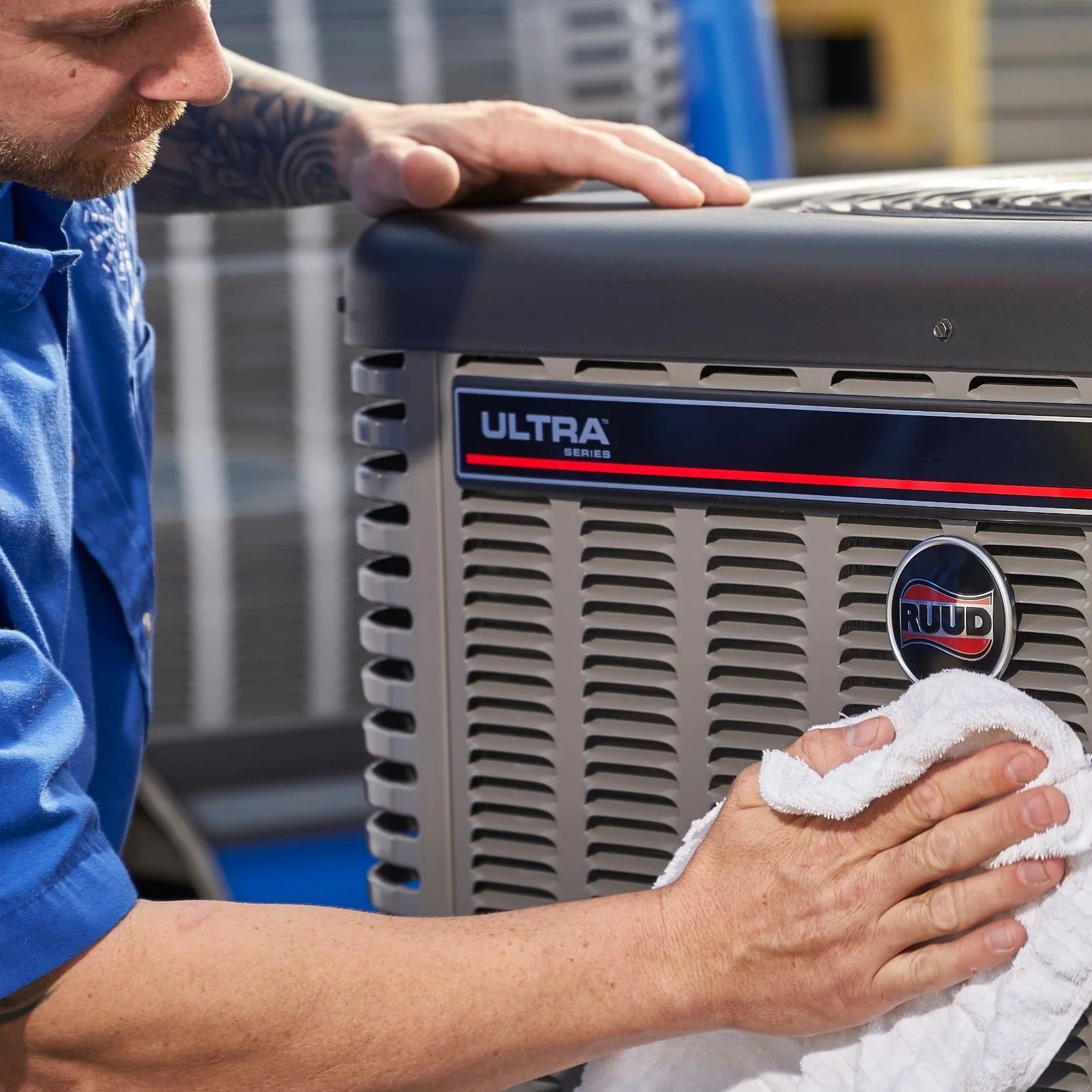
Duct fogging reaches deep inside HVAC ducts to neutralize hidden contaminants and odors that traditional cleaning methods miss.
How Duct Fogging Addresses Hidden Contamination Inside HVAC Systems
Duct fogging is a way to address contamination that develops inside HVAC systems but is rarely visible to homeowners. Air conditioning systems continuously move air through enclosed ductwork, carrying dust, moisture, skin cells, and organic particles that settle on interior surfaces. In Tampa, Florida, where humidity remains high for much of the year, those settled materials interact with moisture in ways that support microbial activity and odor development. Even homes that appear spotless can harbor contamination inside ducts that affects indoor air quality without obvious warning signs.
The primary benefit of duct fogging is its ability to reach areas that mechanical cleaning tools cannot easily access. Fogging disperses a fine mist through the duct system using airflow rather than physical contact. That mist settles along seams, bends, and low-velocity zones, where contaminants concentrate over time. By treating those surfaces directly, fogging modifies the internal environment rather than simply removing loose material. For homeowners dealing with persistent odors, unexplained irritation, or air quality complaints that cleaning alone has not resolved, duct fogging targets the problem at its source rather than addressing symptoms in living spaces.
Reducing Microbial Activity in a Humid Climate
Tampa’s climate creates ideal conditions for microbial growth inside HVAC systems. Warm temperatures, combined with frequent humidity spikes, allow mold spores and bacteria to remain active rather than enter dormant states. Condensation forms naturally inside ducts during cooling cycles, particularly when warm air contacts cooler surfaces. Over time, those conditions allow microorganisms to establish colonies along duct walls where nutrients and moisture remain available.
Duct fogging helps reduce microbial activity by altering the surface conditions that support growth. Fogging agents interact with microorganisms at a cellular level, disrupting their ability to reproduce or remain viable. Rather than attempting to sterilize the system, fogging shifts the balance so microbes struggle to persist. For homeowners, this translates into fewer musty odors, reduced microbial byproducts entering the air stream, and a slower rate of contamination returning after treatment. In a climate where moisture control remains a constant challenge, reducing microbial activity inside ducts provides meaningful support to overall indoor air quality.
Helping Control Persistent Odors That Cleaning Misses
Odors inside homes often originate from compounds embedded within duct surfaces rather than from visible debris. Cooking residue, pet dander, smoke particles, and everyday organic matter circulate repeatedly through HVAC systems. Over time, these compounds bond to duct walls and interact with microbial growth, producing odors that appear intermittently when the system cycles. Traditional duct cleaning removes loose debris but may leave behind bonded residues, allowing odors to return quickly.
One of the key benefits of duct fogging is its ability to neutralize odor-causing compounds at the surface level. Fogging agents bind chemically with these compounds or disrupt the microbial processes that generate odor byproducts. Homeowners often notice that smells dissipate more thoroughly after fogging than after surface cleaning or air freshening efforts. Rather than masking odors temporarily, fogging reduces the source, leading to longer-lasting improvements in how indoor air smells during normal system operation.
Supporting More Stable Indoor Air Quality Over Time
Indoor air quality fluctuates based on a variety of factors, including outdoor conditions, occupant activity, and system performance. In Tampa homes, humidity swings and frequent HVAC runtime contribute to variability that can make air quality feel inconsistent. Duct fogging supports stability by slowing the rate at which contamination redevelops inside the duct system.
By modifying surface conditions within ducts, fogging reduces the ease with which new contaminants can establish themselves. Fewer microbes and odor-producing compounds inside the system mean cleaner air delivery over longer periods. While fogging does not prevent new particles from entering the home, it reduces the internal amplification effect that occurs when contaminants circulate repeatedly through untreated ducts. For homeowners seeking more predictable indoor air quality rather than short-term improvement followed by relapse, fogging offers a stabilizing influence when paired with proper filtration and moisture control.
Reaching Areas Mechanical Cleaning Cannot Access
HVAC duct systems include many areas that mechanical tools struggle to reach effectively. Long runs, sharp bends, internal transitions, and seams create complex pathways where debris and contaminants settle over time. In Tampa homes with attic-mounted ductwork, access limitations often prevent full mechanical contact during cleaning. Even well-performed duct cleaning may leave pockets of contamination untouched simply due to physical constraints.
Duct fogging addresses this limitation by using airflow to carry treatment throughout the system. The fog follows the same pathways as conditioned air, allowing it to reach remote or inaccessible sections. This ability to treat the entire network rather than only reachable segments represents a significant benefit for homeowners dealing with system-wide air quality issues. By consistently addressing contamination throughout the duct system, fogging reduces the likelihood that untreated sections will continue to seed contaminants back into the air stream.
Complementing Filtration and Routine HVAC Maintenance
Filtration captures airborne particles before they circulate through the HVAC system, while routine maintenance keeps components operating efficiently. Duct fogging complements these efforts by addressing contamination that has already settled inside the system. Filters cannot capture everything, particularly microscopic particles and moisture-driven contaminants that bond to surfaces. Over years of operation, even well-maintained systems accumulate internal buildup that filtration alone cannot prevent.
For Tampa homeowners who change filters regularly, schedule maintenance, and still experience air quality concerns, fogging fills an important gap. It works alongside filtration rather than replacing it, addressing the accumulation side of the equation rather than the intake side. When combined thoughtfully, these measures create a layered approach to indoor air quality that addresses multiple points of vulnerability within the system.
Reducing Particulate Resuspension Inside Ducts
Particulate resuspension occurs when settled particles become airborne again due to airflow changes, vibration, or system cycling. Each time the HVAC system turns on, air movement can lift microscopic particles from duct surfaces, sending them back into living spaces. In homes where systems run frequently, these resuspension events happen often, contributing to irritation and dust accumulation even after cleaning.
Duct fogging can reduce resuspension by increasing surface cohesion and binding fine residues to duct walls. Some fogging agents help stabilize settled particles, making them less likely to reenter the air stream. While fogging does not remove all particulates, it can reduce how easily they become airborne. For homeowners sensitive to dust or airborne irritants, this reduction supports a cleaner feeling indoor environment over time.
Addressing Moisture-Related Issues Without Adding Water Load
A common concern among homeowners involves introducing additional moisture into an already humid environment. Proper duct fogging avoids adding meaningful water load to the system by using controlled particle sizes and application volumes. The goal is to alter surface chemistry rather than wet the duct interiors. When executed correctly, fogging changes biological activity without creating damp conditions that could worsen contamination.
In Tampa homes where humidity management already poses challenges, this controlled approach matters. Fogging that respects system limitations and material characteristics supports air quality improvement without increasing moisture risk. Understanding that fogging relies on precision rather than saturation helps homeowners appreciate how the service fits within moisture-conscious HVAC care rather than working against it.
Supporting Long-Term Comfort and Home Enjoyment
Indoor air quality influences comfort beyond temperature control. Odors, irritation, and inconsistent air freshness affect how homes feel day to day. Duct fogging supports comfort by addressing internal factors that contribute to these issues quietly over time. For homeowners who notice recurring smells, stale air during startup, or discomfort that persists despite cleaning, fogging targets the less-obvious contributors within the system.
By improving the condition of air delivery pathways, fogging enhances how air feels as it enters living spaces. The benefit often appears gradually as odors diminish and the air feels more neutral. Over the long term, this contributes to a more pleasant indoor environment that supports daily living rather than requiring constant intervention through air fresheners or temporary fixes.
Reducing the Recurrence of Air Quality Problems After Remediation
Many Tampa homeowners turn to duct fogging after specific events such as water intrusion, pest activity, or prolonged HVAC issues that compromise air quality. In these situations, remediation addresses the immediate problem, but lingering contamination in the ductwork often persists. Without additional intervention, odors or irritation frequently return weeks or months later, leading homeowners to believe remediation failed. Duct fogging helps reduce recurrence by treating residual contamination that remediation alone cannot remove.
Fogging works at the surface level where organic residue and microbial remnants persist after cleanup. By neutralizing these remnants, fogging reduces the likelihood that previously affected areas will continue to contribute to air quality issues. For homeowners who have invested time and money into fixing leaks or addressing moisture problems, fogging supports those efforts by stabilizing duct conditions afterward. The benefit lies not in reversing damage, but in preventing old problems from quietly resurfacing once normal HVAC operation resumes.
Improving Air Freshness During HVAC Startup Cycles
Many air quality complaints arise during system startup, particularly after periods of inactivity. When HVAC systems sit idle, air inside ducts remains stagnant, allowing odors and microbial byproducts to concentrate. Once the system starts, that stagnant air moves quickly into living spaces, producing noticeable smells or irritation. In Tampa homes, where systems may cycle less during mild weather, these startup effects become especially noticeable.
Duct fogging helps reduce startup-related air quality issues by addressing the source of those concentrated byproducts. By neutralizing odor-producing compounds and reducing microbial activity on duct surfaces, fogging limits what accumulates during downtime. The result is fresher air during startup rather than an initial burst of stale or musty air. For homeowners sensitive to these transitions, this benefit improves everyday comfort without requiring changes to thermostat habits or system schedules.
Helping Homes With Long Duct Runs and Complex Layouts
Many Tampa homes feature long duct runs that snake through attics or crawlspaces, particularly in larger or older properties. These extended pathways create more surface area for contamination to accumulate and more opportunities for airflow slowdowns, where material can settle. Mechanical cleaning tools often struggle to maintain consistent contact across such layouts, leaving portions of the system less thoroughly addressed.
Duct fogging offers a clear advantage in these situations by treating the entire duct network regardless of length or complexity. The fog travels with airflow rather than relying on physical reach, allowing it to coat surfaces evenly throughout the system. For homeowners in properties with complex duct layouts, this consistency helps prevent isolated problem areas from continuing to affect overall air quality. Over time, even treatment reduces the uneven distribution of odors and contaminants that can make some rooms feel different from others.
Supporting Homes With Pets and High Organic Load
Homes with pets experience higher levels of organic material circulating through HVAC systems. Pet dander, hair fragments, and associated odors continuously enter the ductwork, increasing the organic load on interior surfaces. In Tampa’s humid environment, that organic material interacts with moisture, accelerating microbial activity and odor formation. Even diligent cleaning and filtration may struggle to keep up with this constant input.
Duct fogging supports these households by addressing how organic material behaves once it settles inside ducts. Fogging agents reduce microbial growth on pet-related residues and neutralize odor compounds bonded to surfaces. While fogging does not eliminate pet dander from the air, it reduces the internal amplification effect that causes pet odors to linger or intensify during HVAC operation. For homeowners who love their pets but want cleaner indoor air, this benefit contributes to a more balanced environment.
Addressing Air Quality in Older Homes With Aging Duct Systems
Older Tampa homes often feature duct systems that have operated for decades with varying maintenance histories. Over time, these systems accumulate layers of residue that become increasingly difficult to address through cleaning alone. Aging materials may limit aggressive mechanical methods, leaving homeowners cautious about invasive services.
Duct fogging offers a gentler alternative for addressing surface contamination in aging systems. By treating rather than scrubbing duct interiors, fogging reduces stress on older materials while still improving air quality conditions. For homeowners concerned about preserving duct integrity while addressing contamination, this benefit provides a practical balance between effectiveness and caution.
FAQs
Duct fogging helps reduce microbial activity, neutralize persistent odors, and stabilize indoor air quality by treating contamination inside ductwork that cleaning and filtration alone may not address.
Duct fogging does not remove humidity, but it reduces how microbes and odors respond to moisture in ducts, helping limit humidity-driven air quality problems.
Results vary based on system condition and humidity control, but benefits often last longer when fogging is paired with proper filtration and moisture management.
Duct fogging does not replace duct cleaning. Cleaning removes physical debris, while fogging treats surface contamination and odors that remain after debris removal.
Duct fogging provides the most value when specific issues such as odors, microbial concerns, or recurring air quality complaints exist, rather than as a routine service.
