
How Often Should You Get Duct Fogging in Tampa, FL?
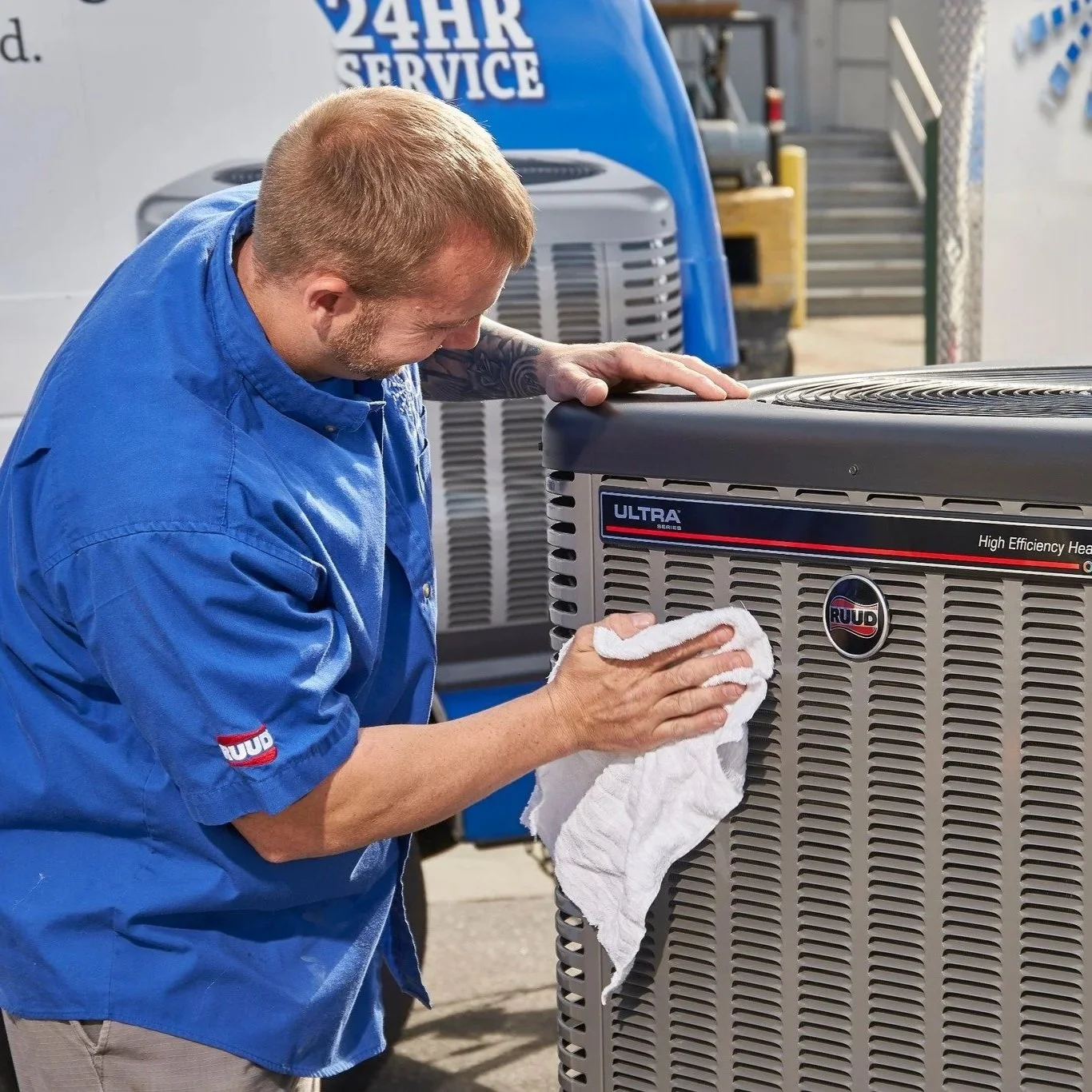
Duct fogging helps Tampa homeowners control humidity-driven odors and microbial growth inside HVAC ductwork for cleaner, fresher indoor air.
Understanding What Duct Fogging Addresses in Tampa Homes
Duct fogging targets conditions inside HVAC ductwork that develop slowly and often go unnoticed until symptoms become persistent. In Tampa homes, extended cooling seasons, high humidity, and frequent moisture exposure create an environment where microbial growth, odor-causing bacteria, and organic residue can build up along duct interiors. Duct fogging introduces a fine mist designed to neutralize those contaminants on surfaces that traditional cleaning tools cannot easily reach. It does not remove dust, debris, or construction material, but it interrupts biological activity that continues cycling through the system with each cooling run. Understanding what fogging actually treats matters when determining how often the service makes sense.
Homeowners often associate fogging frequency with visible symptoms rather than underlying conditions. Musty smells, recurring odors, or persistent indoor air discomfort usually indicate ongoing moisture or contamination rather than a one-time event. In Tampa, those conditions rarely resolve permanently without changes to humidity control, airflow balance, or duct integrity. Fogging works as a corrective and preventive measure, but its longevity depends on how stable the system environment remains after treatment. Frequency decisions work best when based on system behavior and environmental exposure rather than calendar-based assumptions.
How Tampa’s Climate Influences Fogging Frequency
Tampa’s climate plays a major role in how often duct fogging remains effective. High outdoor humidity, frequent rain, and long cooling cycles create steady moisture movement through duct systems. Even well-maintained systems encounter condensation along supply lines, inside air handlers, and near return pathways. Over time, that moisture feeds microbial growth unless actively managed. Homes in drier climates may stretch fogging intervals much longer, but Tampa homes typically see faster reactivation of odor-causing conditions if moisture control slips.
Seasonal changes affect frequency as well. Extended periods of high heat force systems to run continuously, increasing air movement across treated surfaces and accelerating breakdown of fogging products. Conversely, mild seasons with shorter runtimes allow treatments to persist longer. Tampa homeowners who rely solely on air conditioning for humidity control often experience fluctuating results depending on weather patterns. Understanding that fogging longevity depends on climate exposure rather than product quality helps set realistic expectations for service intervals.
System Condition as a Key Determinant of Fogging Schedule
The condition of the HVAC system itself often matters more than home age when determining fogging frequency. Tampa homes with sealed ductwork, intact insulation, and properly sized systems tend to maintain cleaner duct interiors longer. In those systems, fogging may remain effective for extended periods because treated surfaces stay relatively dry and undisturbed. Systems with duct leaks, insulation gaps, or inconsistent airflow allow moisture and contaminants to reenter treated areas more quickly.
Drainage performance also influences how often fogging becomes necessary. Slow-draining condensate lines, partially blocked pans, or improperly pitched drains introduce persistent moisture near the air handler and adjacent duct runs. In Tampa homes, algae growth inside drain lines often goes unnoticed until odors appear. Fogging may neutralize existing contamination, but unresolved drainage issues shorten its lifespan. Evaluating system health before deciding on fogging frequency prevents repeated treatments from masking correctable problems.
Differences Between Preventive Fogging and Reactive Fogging
Fogging frequency often differs based on whether homeowners approach it preventively or reactively. Reactive fogging occurs after odors, discomfort, or complaints become noticeable. In those cases, contamination has usually progressed further, and underlying conditions may remain active. Reactive fogging often needs to be repeated sooner if contributing factors persist. Tampa homeowners who wait until symptoms become disruptive may find themselves scheduling fogging more often simply because conditions never stabilize.
Preventive fogging operates differently. Homes that incorporate fogging into a broader maintenance plan often experience longer intervals between treatments. Preventive use typically follows duct cleaning, system repairs, or humidity improvements, allowing fogging to act as a protective measure rather than a corrective one. In Tampa, preventive fogging often aligns with annual or multi-year maintenance cycles, depending on exposure and system performance. The distinction between reactive and preventive use shapes realistic frequency expectations.
Home Layout and Duct Design Considerations
Not all Tampa homes experience fogging longevity the same way due to layout and duct design. Single-story homes with attic ductwork face different challenges than multi-story homes with vertical chases and mixed routing. Attic ducts endure extreme heat and humidity, increasing condensation risk even when insulation appears intact. Fogging in those systems may require more frequent repetition if attic conditions remain harsh.
Homes with long duct runs or flexible duct materials also experience uneven treatment persistence. Flexible ducts absorb moisture more readily than metal ducts, which can shorten fogging effectiveness if humidity remains elevated. Rooms at the end of long runs may show odor recurrence sooner due to reduced airflow velocity and increased settling. Understanding how duct design interacts with fogging outcomes allows homeowners to assess frequency based on physical realities rather than generalized recommendations.
Occupant Behavior and Indoor Conditions Over Time
Daily habits inside the home influence how long fogging remains effective. Tampa households with pets, frequent cooking, or high occupancy introduce more organic material into the air stream. That material settles inside ductwork over time, providing fuel for microbial activity. Fogging neutralizes existing contamination, but ongoing exposure accelerates reaccumulation. Homes that manage indoor pollutants through ventilation and filtration often extend fogging intervals without additional effort.
Humidity management habits matter equally. Thermostat setbacks, frequent system shutdowns, or window opening during humid conditions raise indoor moisture levels. Tampa residents often open windows during mild weather without realizing how quickly humidity infiltrates duct systems. Fogging frequency tends to increase in homes where humidity fluctuates regularly due to behavioral choices rather than system limitations. Awareness of these interactions helps homeowners make informed decisions about timing.
How Often Fogging Fits Into a Typical Tampa Maintenance Cycle
Rather than assigning a fixed timeline, fogging frequency fits best within a broader HVAC maintenance cycle. Tampa homes that receive regular coil cleaning, drain line service, and airflow evaluation often need fogging less often because contamination never reaches advanced stages. In those cases, fogging may occur every few years as a reinforcement rather than an annual necessity.
Homes with limited maintenance history or recurring moisture issues may require more frequent fogging until system conditions stabilize. Fogging alone cannot correct structural or mechanical contributors, but it provides breathing room while those issues are addressed. Viewing fogging as part of an evolving maintenance strategy rather than a recurring standalone service helps homeowners avoid unnecessary repetition while maintaining indoor comfort.
Evaluating Fogging Frequency Based on Odor Recurrence Patterns
Odor behavior over time provides one of the clearest signals for determining fogging frequency in Tampa homes. Odors that fade gradually and remain suppressed for extended periods usually indicate that fogging addressed the primary contamination source successfully. In those cases, repeating the service too quickly adds little value. Odors that return unchanged or intensify within months often point to persistent moisture exposure or air pathway issues that fogging alone cannot resolve. Tracking how quickly smells reappear and whether they change in character helps distinguish between surface contamination and deeper system problems.
Different odor profiles also matter. Musty or earthy smells often reflect microbial growth associated with moisture, while sour or stagnant odors may originate from drain line issues or return air infiltration. Fogging frequency should be determined by the type of odor rather than its mere presence. Tampa homeowners who note when odors appear, how they spread through the home, and how they respond to system runtime gain insight into whether fogging intervals should shorten or whether corrective repairs deserve priority.
The Role of Duct Cleaning in Fogging Intervals
Duct cleaning history strongly influences how often fogging remains effective. Homes that undergo mechanical duct cleaning before fogging often experience longer-lasting results because treatments reach clean interior surfaces rather than settling on accumulated debris. In Tampa, duct systems frequently contain fine dust, insulation particles, and organic residue that provide a foundation for microbial activity. Fogging applied over that material may neutralize odors temporarily, but breaks down faster as the underlying debris remains active.
Homes that skip duct cleaning may still benefit from fogging, but frequency often increases until cleaning occurs. Repeating fogging without addressing heavy buildup leads to diminishing returns and homeowner frustration. Coordinating cleaning and fogging establishes a cleaner baseline, supporting longer intervals between treatments. Fogging frequency works best when aligned with system cleanliness rather than applied repeatedly to the same conditions.
Newer Homes Versus Older Homes in Tampa
Home age influences fogging frequency through construction standards and material choices rather than years alone. Newer Tampa homes typically feature tighter building envelopes, improved duct sealing, and better insulation. Those features reduce uncontrolled moisture intrusion, allowing fogging treatments to persist longer. Even so, newer homes still face humidity challenges due to climate and occupancy patterns, meaning fogging may still play a role in long-term air quality management.
Older homes often contain legacy duct systems with design limitations that affect fogging longevity. Leaky returns, undersized ducts, and aging insulation introduce moisture and contaminants more readily. Fogging frequency in those homes tends to increase unless improvements occur. Understanding that home age reflects system behavior rather than treatment quality helps homeowners set expectations and prioritize upgrades that extend fogging intervals.
Health Sensitivity and Comfort Thresholds
Fogging frequency sometimes reflects household sensitivity rather than contamination severity. Tampa residents with heightened sensitivity to odors or respiratory irritants may choose more frequent fogging to maintain comfort even when contamination levels remain moderate. That choice reflects personal thresholds rather than system failure. Homes without sensitive occupants may tolerate minor odor presence longer without discomfort.
Balancing comfort goals with system realities prevents unnecessary repetition. Fogging can support sensitive households, but aligning frequency with system stability and moisture control reduces reliance on repeated treatments. Homeowners who communicate comfort priorities clearly often achieve better outcomes by combining fogging with targeted improvements rather than increasing frequency alone.
When Increased Fogging Frequency Signals a Larger Issue
Repeated need for fogging within short intervals often signals unresolved system conditions. Tampa homes that require fogging multiple times within a year frequently struggle with duct leaks, chronic humidity imbalance, or drainage problems. In those situations, fogging functions as symptom management rather than resolution. Recognizing when frequency increases serves as a diagnostic cue that helps homeowners shift focus toward corrective evaluation.
Professional assessment during those moments often reveals contributing factors that remained hidden behind persistent odors. Addressing them reduces fogging dependence and improves overall system performance. Frequency escalation should prompt investigation rather than acceptance as normal maintenance.
Long-Term Planning for Fogging in Tampa Homes
Fogging frequency becomes more predictable when integrated into long-term HVAC planning. Homes with stable systems, controlled humidity, and routine maintenance often settle into multi-year fogging intervals. Homes undergoing upgrades or repairs may use fogging strategically during transition periods rather than as a recurring solution. Planning allows homeowners to budget, schedule, and evaluate fogging within a broader comfort strategy.
Viewing fogging as part of ownership planning rather than a reactive service aligns expectations with outcomes. Tampa’s climate demands ongoing attention to moisture and air movement, and fogging supports those efforts when used thoughtfully. Frequency decisions work best when informed by system behavior, environmental exposure, and household needs rather than generic timelines.
FAQs
Many Tampa homeowners schedule duct fogging every one to three years, depending on humidity control, duct condition, and indoor activity levels. Homes with good moisture management and regular maintenance often stay on the longer end of that range, while homes with recurring odor issues may require more frequent service until underlying conditions improve.
Fogging products designed for HVAC use do not damage duct materials when applied properly. Frequent fogging does not harm metal or flexible ducts, but repeated treatments may signal unresolved moisture or cleanliness issues that deserve attention rather than continued application alone.
Annual fogging can make sense in some Tampa homes, particularly those with high humidity exposure or sensitive occupants. Preventive use works best when paired with duct sealing, drainage maintenance, and filtration upgrades that support longer-lasting results.
Persistent musty odors, recurring smells after system runtime, or discomfort tied to airflow often indicate that fogging may be beneficial again. Changes in odor pattern or intensity usually provide clearer guidance than time alone.
Fogging after duct cleaning often extends the benefits of cleaning by addressing residual microbes and odors. Clean ducts allow fogging treatments to last longer, which may reduce the frequency of fogging going forward.
