
DIY Duct Fogging in Tampa, FL: What Homeowners Need to Know
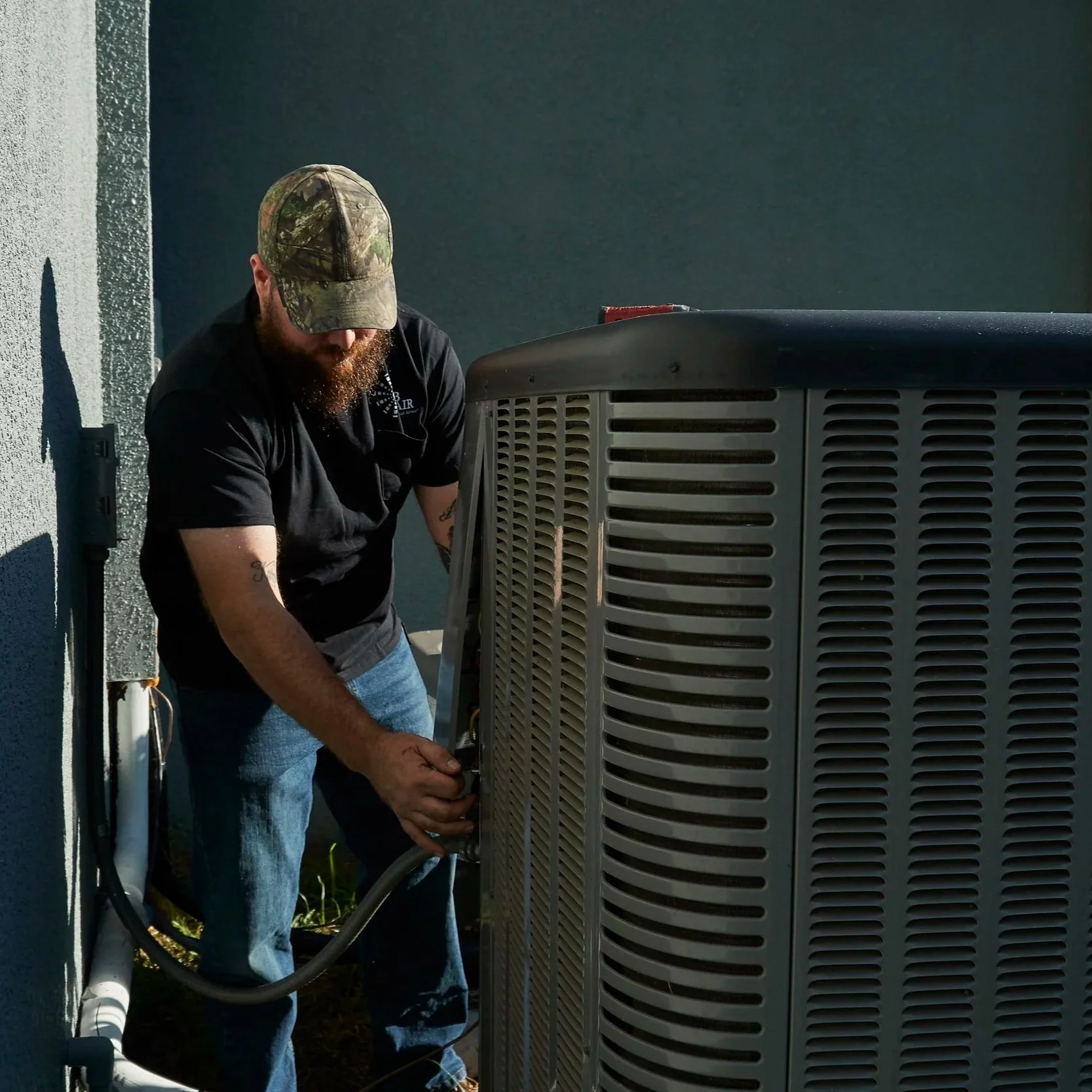
DIY duct fogging can help reduce odors in Tampa homes, but humidity and complex duct layouts limit its overall effectiveness.
Understanding What DIY Duct Fogging Actually Involves
DIY duct fogging typically appeals to Tampa homeowners who want to address odors or air quality concerns without scheduling professional service. At its core, duct fogging involves dispersing a fine mist of antimicrobial or deodorizing solution into HVAC ductwork so it can coat interior surfaces where odor-causing bacteria and microbial growth develop. Consumer-grade fogging products are widely marketed as simple spray-and-forget solutions, often paired with handheld foggers or attachment kits for connecting to vents or air handlers. While the basic concept mirrors professional duct fogging, the execution, coverage, and long-term impact differ substantially once system complexity is introduced.
In Tampa, homes, HVAC systems operate under environmental conditions that complicate DIY installation. Long cooling seasons, high humidity, and frequent condensation within duct systems create conditions that favor uneven microbial growth across duct interiors. DIY fogging typically reaches only accessible sections near vents or returns, leaving deeper runs untreated. Without system shutdown protocols, airflow control, or proper distribution techniques, fogging mist may settle unevenly or exit the system too quickly. Understanding that duct fogging works as a system-wide treatment rather than a localized spray helps homeowners evaluate whether DIY methods realistically address the conditions present in their homes.
Why Tampa’s Climate Complicates DIY Fogging Efforts
Tampa’s climate introduces challenges that DIY duct fogging products rarely address adequately. High outdoor humidity infiltrates duct systems through minor leaks, insulation gaps, and normal air exchange, sustaining microbial activity long after fogging. Even well-intentioned DIY fogging efforts struggle to overcome moisture-driven reactivation unless humidity remains tightly controlled. Professional services often account for these variables by assessing drainage, insulation, and airflow patterns before applying treatment, while DIY approaches focus narrowly on symptom relief.
Condensation behavior inside Tampa duct systems also complicates fogging effectiveness. When cold supply air meets warm attic conditions, moisture forms rapidly along duct exteriors and interiors. DIY fogging products applied during periods of heavy system use may degrade more quickly due to constant airflow and moisture exposure. Homeowners often assume product failure reflects low quality, when in reality, environmental conditions overwhelmed the application. Climate awareness matters when deciding whether DIY fogging aligns with realistic expectations in Tampa homes.
Differences Between Consumer Fogging Products and Professional Treatments
DIY fogging products differ from professional treatments in formulation, concentration, and distribution method. Consumer products prioritize ease of use and safety over depth of penetration, often limiting antimicrobial strength to accommodate household application. Professional products are applied using specialized equipment designed to evenly distribute mist along long duct runs without oversaturating specific areas. That distinction affects how thoroughly surfaces are treated and how long the results last.
Distribution equipment represents another key difference. Handheld foggers and spray attachments lack the pressure control and particle size consistency needed for uniform coverage. In Tampa, homes with complex duct layouts, multiple branches, and varied airflow velocities make uneven distribution unavoidable. Professional equipment compensates for those variables, while DIY tools rely heavily on ideal conditions that rarely exist in real systems. Understanding these differences prevents unrealistic comparisons between DIY results and professional outcomes.
Common Reasons Homeowners Attempt DIY Duct Fogging
Homeowners often turn to DIY duct fogging after noticing musty odors, lingering smells, or general discomfort that persists despite filter changes and basic maintenance. Tampa residents frequently encounter odors linked to humidity, pet dander, or cooking residue that circulate through ductwork. DIY fogging promises fast relief without service appointments, making it attractive for homeowners seeking immediate improvement. Cost considerations also influence decisions, particularly when odors feel mild or intermittent.
Misconceptions about duct systems also drive DIY attempts. Many homeowners believe ducts function as static tubes rather than dynamic environments influenced by airflow, moisture, and pressure differentials. That assumption leads to underestimating how deeply contamination develops and how quickly it spreads beyond accessible areas. DIY fogging often targets visible vents while ignoring deeper system components that continue feeding odors. Recognizing these motivations helps frame realistic expectations around what DIY fogging can and cannot accomplish.
Application Challenges Inside Residential HVAC Systems
Applying fogging treatments effectively inside residential HVAC systems requires controlling airflow, system pressure, and application timing. DIY approaches rarely account for these factors. Fogging while the system runs may pull mist directly into filters or coils rather than allowing it to settle along duct surfaces. Fogging with the system off may limit distribution to immediate areas without reaching distant runs. Professional protocols balance these variables to maximize contact time and coverage.
Tampa homes present additional challenges due to attic heat and duct routing. Long horizontal runs, vertical drops, and flexible duct bends disrupt mist travel, causing uneven application. DIY fogging tools cannot compensate for these disruptions, leading to inconsistent results across rooms. Homeowners may notice improvement in one area while odors persist elsewhere, mistakenly attributing results to stubborn contamination rather than application limitations.
Safety Considerations With DIY Fogging Products
Safety represents a critical consideration when evaluating DIY duct fogging. Consumer products often advertise low toxicity, but improper application can still cause irritation or discomfort. Fogging introduces airborne particles that circulate through living spaces, increasing exposure risk if occupants or pets remain in the space. Tampa homes with limited ventilation during humid conditions may experience prolonged airborne presence compared to drier climates.
Product misuse also presents risk. Overapplication, incorrect dilution, or incompatible equipment may result in residue buildup inside ducts or on household surfaces. DIY users may not recognize warning signs until after application, at which point corrective measures become more complex. Professional services mitigate these risks through controlled dosing, system knowledge, and experience handling unexpected reactions. Understanding safety implications helps homeowners weigh convenience against potential complications.
Expectations Versus Reality With DIY Results
DIY duct fogging often yields mixed results, suggesting partial treatment rather than complete resolution. Homeowners may experience short-term odor reduction that fades within weeks, especially in Tampa homes with persistent moisture exposure. That outcome does not necessarily indicate product failure, but rather incomplete coverage and environmental reactivation. Without addressing root causes, the fogging effect diminishes quickly.
Expectations also clash with system complexity. DIY fogging cannot assess duct leaks, insulation breakdown, or drainage issues that contribute to recurring odors. Homeowners may repeat fogging multiple times, increasing cost and effort without achieving lasting improvement. Recognizing that DIY fogging operates within narrow boundaries helps prevent frustration and misinterpretation of results.
Long-Term Risks of Relying on DIY Fogging Alone
Repeated DIY fogging without addressing underlying system conditions can introduce long-term risks that homeowners rarely anticipate at the outset. In Tampa homes, moisture-driven contamination tends to redevelop along the same pathways unless drainage, insulation, or airflow issues change. DIY fogging may temporarily suppress odors, but repeated applications over untreated debris or damp duct liners can create uneven residue layers. Over time, those layers may trap dust or organic material, creating new surfaces where microbial growth resumes more aggressively once treatment dissipates.
Another long-term concern involves masking warning signs. Odors often serve as early indicators of drainage failure, duct leaks, or insulation breakdown. DIY fogging can dull those signals without correcting the cause, delaying repairs until conditions worsen. Tampa homeowners who rely exclusively on fogging sometimes discover advanced duct deterioration or moisture damage later, when repairs become more disruptive and costly. Understanding that fogging works best as a supplemental measure rather than a substitute for system care helps avoid these outcomes.
Situations Where DIY Duct Fogging May Make Sense
Despite its limitations, DIY duct fogging can make sense in certain controlled situations. Tampa homeowners dealing with mild, recent odors tied to temporary events such as short-term humidity spikes or isolated incidents may see reasonable results. Homes with newer HVAC systems, sealed ductwork, and stable humidity control present fewer variables that interfere with application. In those cases, DIY fogging may provide modest odor reduction without significant risk.
DIY fogging also suits homeowners who understand system behavior and monitor results carefully. Those willing to observe odor patterns, track humidity levels, and stop repeating treatments when results diminish can use DIY fogging as a limited tool. The key lies in recognizing boundaries rather than expecting professional-level outcomes. When used sparingly and with realistic expectations, DIY fogging may offer short-term relief without causing harm.
Situations Where DIY Fogging Often Falls Short
DIY fogging tends to fall short in Tampa homes with recurring odor complaints, older duct systems, or known moisture challenges. Homes with flexible ducts exposed to attic heat, leaky returns, or inconsistent airflow rarely see lasting improvement from consumer products. In these situations, fogging mist cannot reach areas where contamination persists, and treatments break down quickly under constant moisture.
Homes with pets, smokers, or high indoor activity also present challenges. Organic material accumulates faster than DIY fogging can counteract, leading to diminishing returns. Repeated DIY attempts in these environments often frustrate homeowners and obscure the need for professional evaluation. Recognizing when fogging alone no longer aligns with system realities prevents wasted effort and unnecessary exposure.
Comparing DIY Fogging to Professional Service Decisions
Comparing DIY fogging to professional service goes beyond cost. Professional duct fogging integrates system assessment, controlled application, and follow-up recommendations that DIY methods lack. Tampa HVAC professionals evaluate airflow, drainage, insulation, and duct integrity before applying treatments, aligning fogging with broader system health. That context allows treatments to last longer and perform more consistently.
DIY fogging operates without that feedback loop. Homeowners must interpret results independently, often without tools or experience to diagnose underlying conditions. While DIY approaches may appear economical upfront, repeated application and unresolved issues can erode savings over time. Understanding the tradeoffs helps homeowners choose the approach that aligns with their comfort goals, system condition, and tolerance for uncertainty.
How DIY Fogging Can Fit Into a Larger Maintenance Mindset
DIY fogging works best when framed as a minor component of a larger maintenance mindset rather than a standalone solution. Tampa homeowners who treat fogging as one option among many often use it strategically between professional visits rather than as a replacement. Combining DIY efforts with regular filter changes, drain line maintenance, and humidity monitoring supports better outcomes than fogging alone.
Awareness plays a central role. Homeowners who recognize when DIY fogging stops delivering improvement often transition to professional evaluation sooner, avoiding prolonged discomfort. Viewing fogging as informational rather than curative allows homeowners to learn how their systems respond under real conditions. That knowledge supports better long-term decisions about upgrades, repairs, and service intervals.
Managing Expectations Around DIY Success
Expectation management determines whether DIY fogging feels helpful or disappointing. Tampa homeowners who expect complete odor elimination or long-term air quality transformation often feel let down. Those who view DIY fogging as a temporary measure to reduce mild odors typically report more satisfaction. The difference lies in aligning expectations with what consumer products realistically achieve in humid environments.
Success with DIY fogging often looks like partial improvement rather than resolution. Reduced odor intensity, slower recurrence, or improved comfort in select rooms reflect realistic outcomes. Accepting those limits helps homeowners evaluate results honestly and decide when professional support becomes the better option.
FAQs
DIY duct fogging products marketed for residential use are generally safe when applied exactly as directed, but improper use can cause irritation or residue buildup. Tampa’s humidity can extend airborne presence, making ventilation and temporary relocation especially important during application.
Results vary widely, but many Tampa homeowners notice improvement lasting a few weeks to a couple of months. Persistent humidity, duct leaks, or debris often shorten effectiveness compared to drier environments.
DIY fogging typically does not damage systems directly, but overapplication or the use of incorrect products can leave residue on components or filters. Repeated use without addressing moisture issues may contribute to longer-term duct deterioration.
Duct cleaning improves fogging effectiveness by removing debris that interferes with surface treatment. Fogging over dirty ducts often leads to shorter-lasting results and uneven odor reduction.
If odors return quickly, remain unchanged, or worsen after multiple DIY attempts, professional evaluation makes sense. Recurring issues usually indicate moisture, airflow, or duct integrity problems that fogging alone cannot resolve.
