
Factors That Influence the Efficiency of a Durastar Mini-Split System
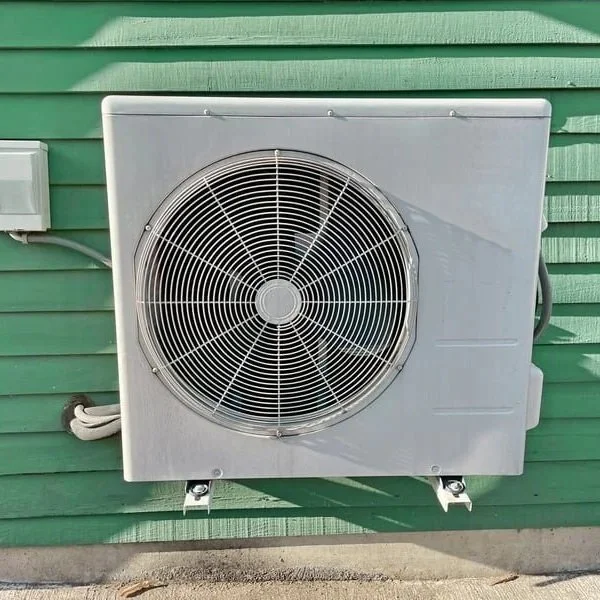
Professional HVAC installation, maintenance, and repair services play a key role in guaranteeing these systems operate at peak efficiency.
Durastar mini-split systems are renowned for their versatility, energy efficiency, and ability to deliver targeted heating and cooling. However, like all HVAC equipment, their performance depends on several critical factors. Understanding these elements can help property owners optimize system operation, reduce energy costs, and maintain consistent indoor comfort. Professional HVAC installation, maintenance, and repair services play a key role in guaranteeing these systems operate at peak efficiency.
System Size and Capacity
Proper sizing is the cornerstone of efficient HVAC operation. A Durastar mini-split system must match the specific heating and cooling requirements of the space it serves. Oversized units can cycle on and off frequently, wasting energy, while undersized systems struggle to maintain comfortable temperatures.
Professional HVAC technicians perform detailed load calculations, considering room dimensions, ceiling height, insulation levels, window placement, and local climate conditions. Correct system sizing verifies that the mini-split delivers consistent comfort while operating at optimal efficiency.
Installation Quality
Even the most advanced system cannot reach peak performance without professional installation. Proper refrigerant line installation—including correct pipe sizing and insulation—minimizes energy losses. Indoor and outdoor units must be positioned to facilitate airflow and prevent obstructions that could reduce efficiency or damage components.
Expert installation also makes sure that electrical connections, condensate drains, and mounting supports meet manufacturer specifications. Proper installation practices establish a foundation for long-term, reliable, and efficient operation.
Location Considerations
The placement of both indoor and outdoor components has a significant impact on performance. Indoor units require sufficient clearance to allow proper air distribution and prevent obstruction of airflow. Outdoor units should be positioned in shaded areas with adequate airflow to avoid excessive heat buildup and ensure efficient heat exchange.
Professional HVAC services include site evaluation and component placement recommendations, optimizing performance while reducing the risk of premature wear or energy inefficiency.
Maintenance Frequency
Regular maintenance preserves system efficiency throughout the operational life of a Durastar mini-split. Professional maintenance services typically include cleaning of coils, checking refrigerant levels, inspecting electrical connections, and testing system operation. Consistent service intervals prevent energy losses caused by component wear, dirt accumulation, or mechanical issues.
Filtration System Condition
Clean filters are crucial for maintaining efficient airflow and heat transfer. Clogged filters reduce system efficiency, increase energy consumption, and can cause wear on key components. Routine filter maintenance, combined with professional duct cleaning when applicable, guarantees optimal airflow and enhances indoor air quality.
Refrigerant Charge
Proper refrigerant levels are essential for energy-efficient operation. Low or excessive refrigerant can reduce heat transfer efficiency, increase energy consumption, and strain system components. Professional HVAC services include accurate refrigerant charge verification and adjustments to maintain optimal performance.
Thermostat Settings
Programming strategies have a direct impact on system efficiency and occupant comfort. Durastar mini-split systems offer advanced control options, including programmable thermostats and remote access via mobile apps. Professional setup optimizes control settings, securing efficient operation without compromising comfort.
Seasonal Changes
Weather variations influence system performance. Professional HVAC maintenance includes seasonal adjustments, such as recalibrating settings for summer cooling or winter heating. These adjustments maintain peak efficiency year-round and help the system respond effectively to changing environmental conditions.
Insulation Quality
The building envelope impacts heating and cooling load. Adequate insulation and proper air sealing reduce the energy required to maintain desired temperatures, supporting overall system efficiency. Professional evaluations can identify insulation weaknesses and recommend improvements to maximize HVAC performance.
Humidity Management
Moisture levels affect both comfort and efficiency. Durastar mini-split systems feature advanced humidity control, but proper maintenance is necessary for these functions to operate correctly. Technicians verify dehumidification performance and verify that condensate drains and sensors function as intended.
Airflow Distribution
Even the most efficient system requires proper air circulation. Maintenance tasks such as cleaning fans, verifying ductless airflow pathways, and inspecting indoor unit vents help maintain optimal distribution. Professional service guarantees that all areas receive consistent heating or cooling.
Component Cleanliness
Clean heat exchange surfaces allow maximum energy transfer. Dirt or debris on coils, condenser fins, or evaporator surfaces reduces efficiency and increases operational strain. Professional cleaning helps prevent energy losses and maintain consistent comfort levels.
Operating Parameters
Fan speeds, temperature differentials, and cycling patterns influence system performance. Proper configuration during installation, followed by regular verification during maintenance, certifies that Durastar mini-split systems operate within recommended parameters for energy-efficient performance.
Power Quality
A stable electrical supply is essential for optimal system operation. Voltage fluctuations or phase imbalance can reduce efficiency and increase component wear. Professional HVAC services include verifying electrical supply characteristics and monitoring to maintain consistent performance.
Zone Control Implementation
Multi-zone systems require careful balancing to operate efficiently. Individual zone settings must be optimized to prevent overcooling or overheating specific areas. Professional setup and maintenance make sure each zone receives the correct airflow and temperature control for maximum efficiency.
Conclusion
Durastar mini-split systems offer high-efficiency heating and cooling solutions when installed, maintained, and operated correctly. System efficiency is influenced by factors such as proper sizing, installation quality, component placement, maintenance schedules, filtration condition, refrigerant levels, thermostat programming, and numerous other variables.
Working with qualified HVAC professionals ensures that each aspect of system operation is optimized. Routine inspections, cleaning, and adjustments maximize energy efficiency, enhance comfort, prolong equipment lifespan, and lower operating costs. By understanding and addressing these efficiency factors, property owners can fully leverage the benefits of Durastar mini-split systems, achieving reliable, cost-effective, and comfortable indoor environments for years to come.
CMB Air is a residential heating and cooling installation, service, and repair company with 15+ years of experience serving Tampa and surrounding areas. If you need AC repairs and maintenance, AC installation, ductless AC installation, ductless AC repair, GREE ductless mini-split systems, Fujitsu mini-split systems, and Durastar mini-split systems, we can help! We ensure that your system works efficiently when needed. State licensed, insured, and bonded. Call today!