
Signs of Low Refrigerant Levels and the Risks of Delayed Repair
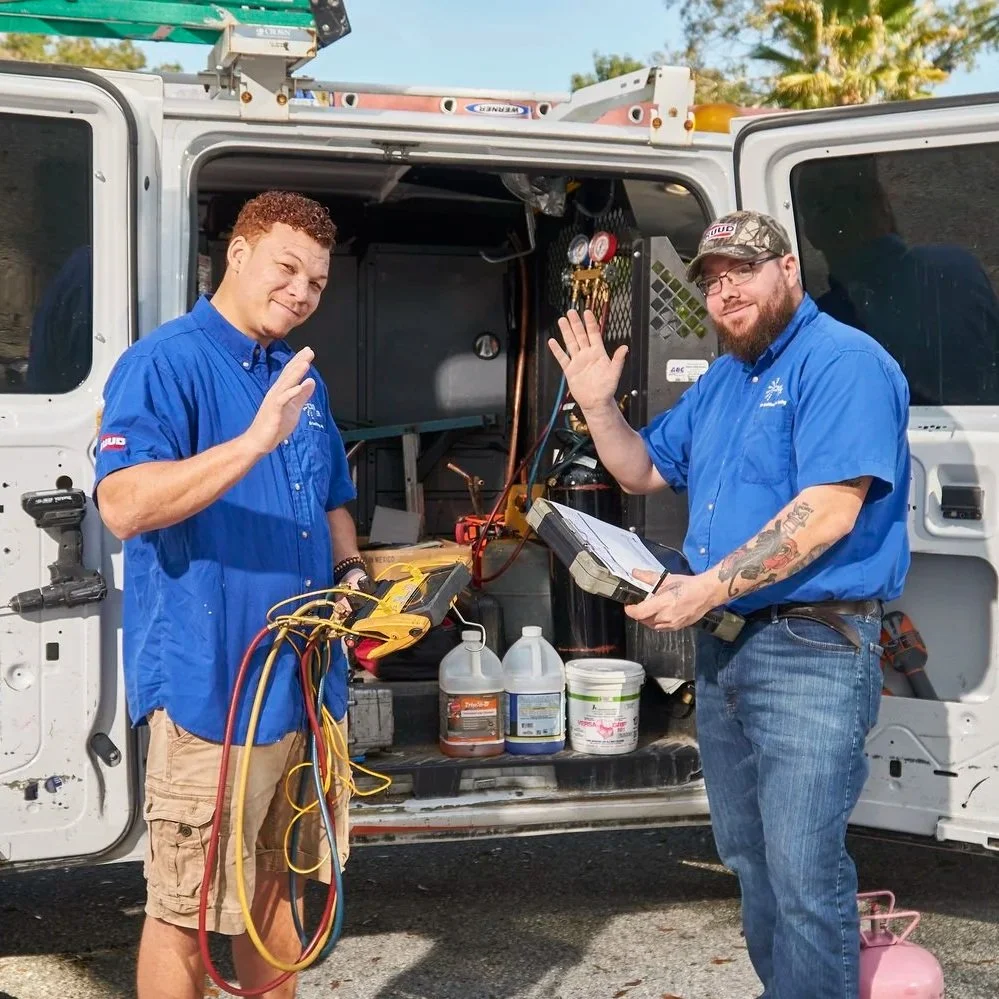
When refrigerant begins to leak, or the system charge drops below optimal levels, performance declines quickly—and if left unchecked, damage can escalate from minor inefficiencies to major mechanical failure.
Air conditioning systems rely on carefully measured refrigerant levels to deliver reliable, efficient cooling. When refrigerant begins to leak, or the system charge drops below optimal levels, performance declines quickly—and if left unchecked, damage can escalate from minor inefficiencies to major mechanical failure. While these signs may start subtly, professional HVAC maintenance ensures they’re identified and corrected before your system suffers long-term harm or your energy costs spike unnecessarily.
Below are the most common signs of low refrigerant levels, the technical reasons behind them, and the real-world risks of delaying professional repair.
Recognizing Performance Changes
When an air conditioner runs low on refrigerant, one of the first changes most homeowners or facility managers notice is reduced cooling capacity. The system may run longer than usual but still fail to reach the set temperature. This happens because the refrigerant is the medium that absorbs heat inside the building and releases it outdoors. With less refrigerant circulating, the system must work harder to produce the same cooling effect.
From a technician’s perspective, these early warning signs are best caught through performance monitoring during regular maintenance visits. By checking the temperature differential across the evaporator coil and measuring system pressures, an HVAC professional can determine whether the system is maintaining its designed efficiency or if a refrigerant imbalance is developing. Early intervention often means the difference between a simple recharge and a major compressor repair later on.
Energy Consumption Patterns
A unit operating with low refrigerant doesn’t just underperform—it burns more electricity doing so. Because the system has to run longer cycles to deliver the same level of comfort, both the compressor and blower motor experience added strain. This increased workload not only drives up power bills but also shortens the service life of critical components.
When HVAC technicians perform diagnostic visits, they often compare current energy usage against historical performance or expected consumption based on equipment ratings. A noticeable increase in electrical demand can be a strong indicator of refrigerant-related inefficiency. Comprehensive energy analysis as part of a maintenance plan enables technicians to address minor refrigerant issues before they escalate into significant cost increases or component fatigue.
Temperature Control Issues
A comfortable indoor environment depends on even temperature distribution throughout the home or building. When refrigerant levels drop, some areas may stay cool while others remain warm or humid. This imbalance typically stems from the evaporator coil not receiving enough refrigerant to maintain consistent cooling capacity across the system.
Professional HVAC installation and service ensure the refrigerant charge matches the manufacturer’s design specifications. During maintenance, technicians use digital gauges and temperature sensors to verify that refrigerant is circulating correctly and cooling is uniform across the network of ducts or zones. Regular performance checks help maintain balanced cooling and long-term comfort.
Frost Formation Indicators
Ice forming on the evaporator coil is one of the more visible—and misleading—signs of a low refrigerant charge. Many homeowners assume frozen coils mean the system is “working too well,” but in reality, it’s the opposite. Insufficient refrigerant causes the coil’s surface temperature to drop below freezing, leading to frost or ice buildup. As that ice thickens, airflow decreases, and cooling efficiency plummets.
Professional HVAC technicians look for telltale signs of frost or condensation imbalance during seasonal tune-ups. Cleaning the coil, inspecting airflow, and verifying refrigerant levels help prevent freeze-ups that can cause serious system stress or coil damage. Quick professional repair keeps ice from turning into expensive mechanical failure.
Sound Level Changes
Noise is another early indicator that your AC system may be struggling. Bubbling, gurgling, or hissing sounds often point to a refrigerant leak at joints or within the coil. Meanwhile, a low refrigerant charge can cause the compressor to operate under abnormal pressures, resulting in whining or rattling sounds.
An experienced HVAC technician will conduct a full acoustic evaluation during diagnostics, listening for changes in tone or pitch that suggest refrigerant movement issues. Identifying the exact source of unusual sounds allows for targeted leak detection and repair before compressor damage occurs.
Humidity Control Problems
Besides cooling, an air conditioner’s secondary function is to remove moisture from indoor air. When refrigerant levels drop, the system’s dehumidification capacity declines sharply. You may notice sticky air, foggy windows, or an overall discomfort even when the thermostat reads the correct temperature.
Because humidity control directly affects occupant comfort and indoor air quality, professional HVAC maintenance includes verifying that dehumidification is functioning properly. Technicians will ensure coil temperatures align with expected dew points and that refrigerant pressure levels optimize both cooling and moisture removal.
Component Stress Signs
Low refrigerant levels create a domino effect of stress within the system. Compressors must compensate for missing refrigerant by operating longer and under higher internal pressure differentials. Over time, this strain can cause overheating, lubricant breakdown, and catastrophic compressor failure—the single most expensive repair in residential or commercial air conditioning.
Regular professional maintenance helps avoid this outcome by checking compressor draw, line pressures, and refrigerant flow balance. Detecting small leaks or performance deviations early prevents damage to major system components, keeping your HVAC system running dependably for years.
Pressure Reading Analysis
One of the hallmarks of professional HVAC diagnosis is accurate pressure testing. Technicians measure both high-side and low-side pressures using digital gauges that reflect how well refrigerant is circulating. Abnormal readings often point directly to a low charge or a developing leak somewhere in the refrigerant circuit.
Consistent pressure testing during routine maintenance allows professionals to catch refrigerant loss well before it becomes a visible issue. Proper adjustment restores efficiency and protects your investment in the system’s long-term performance.
Air Quality Impact
Reduced refrigerant and cooling capacity can also compromise indoor air quality. Proper temperature and humidity regulation are critical for controlling microbial growth, dust accumulation, and airborne irritants. When the cooling system cannot adequately manage these environmental factors, occupant comfort and health can be affected.
Professional repair and complementary services, such as duct cleaning, coil sanitization, and airflow balancing, restore clean and efficient operation. The result is more stable air quality and a healthier living or working environment.
Operating Cost Increases
A few issues affect both comfort and cost, like a refrigerant leak. As the system becomes less efficient, power consumption climbs—and so do monthly energy bills. What begins as a subtle refrigerant imbalance can equal hundreds of dollars in wasted electricity over a season.
Professional maintenance corrects this pattern swiftly. By calibrating refrigerant charge to factory specifications and verifying airflow, technicians help the system regain peak efficiency and minimize unnecessary operational costs.
Long-Term Reliability Effects
Delaying a refrigerant repair never saves money in the long run. Low refrigerant levels lead to metal fatigue, electrical stress, and oil migration within the compressor, each of which can trigger premature system failure. A small leak that could have been sealed affordably may later require major equipment replacement.
Professional HVAC care emphasizes proactive problem-solving—fixing both the current leak
and investigating its cause. By addressing underlying issues like vibration wear or poor joint brazing, technicians extend equipment life and prevent repeat occurrences.
Safety Considerations
Refrigerants are pressurized chemicals that must be handled according to federal safety standards. Even minor leaks can release gases that displace oxygen in enclosed areas or cause frostbite upon contact. Professional HVAC technicians are EPA-certified to safely recover, measure, and recharge refrigerant while ensuring equipment integrity and occupant safety.
Homeowners should never attempt to recharge refrigerant themselves. Licensed professionals have the proper tools and industry training to prevent contamination, ensure accurate charging, and maintain warranty coverage.
Environmental Impact
While modern refrigerants are far safer than older chlorofluorocarbon compounds, they still carry potential environmental risks if improperly released. Licensed HVAC companies are responsible for complying with recovery and recycling requirements during any repair or service activity. By reclaiming refrigerant instead of venting it, technicians protect both local air quality and global environmental health.
For eco-conscious property owners, maintaining refrigerant integrity is one of the simplest and most responsible forms of environmental stewardship available in everyday building operations.
Recovery Procedures
When a refrigerant issue requires system disassembly, professionals use advanced recovery units to safely extract and store the existing refrigerant before performing repairs. This ensures environmental protection, correct recycling, and consistent measurement for the recharge process. The system is then vacuumed, leak-tested, and recharged precisely to manufacturer specifications, ensuring optimal performance and reliability once the work is complete.
Preventive Measures
The best way to manage refrigerant issues is to prevent them altogether. Regular maintenance performed by licensed HVAC technicians includes leak inspections, pressure verification, coil cleaning, and system performance analysis. These proactive steps identify problem areas—such as worn seals or weak connections—before they cause significant refrigerant loss.
By scheduling consistent service visits, property owners protect their comfort, efficiency, and overall investment. Preventive maintenance also extends the lifespan of system components, reducing total ownership cost and preventing sudden summer breakdowns.
Protecting Your HVAC Investment
Low refrigerant levels may seem like a small technical problem, but their ripple effects extend across comfort, cost, safety, and environmental responsibility. Professional HVAC technicians possess the expertise, instruments, and certification required to diagnose, repair, and prevent refrigerant-related issues correctly the first time.
Whether you operate a residential cooling system or manage a commercial facility, regular professional maintenance remains the best way to safeguard efficiency, reliability, and comfort. Attending refrigerant health today helps you avoid unnecessary repairs tomorrow—keeping your system running smoothly and your space perfectly cool all season long.
CMB Air is a state-licensed, insured, and bonded company providing AC refrigerant leak repair, AC fan motor, AC condenser repair or replacement, AC circuit control board, AC tune-up and preventative maintenance, evaporator coil, and condenser coil services in Tampa and surrounding areas. We are dedicated to serving our customers, providing them with solutions that meet the highest industry standards. Call today!