
Factors That Determine Whether a Condenser Coil Needs Repair or Replacement
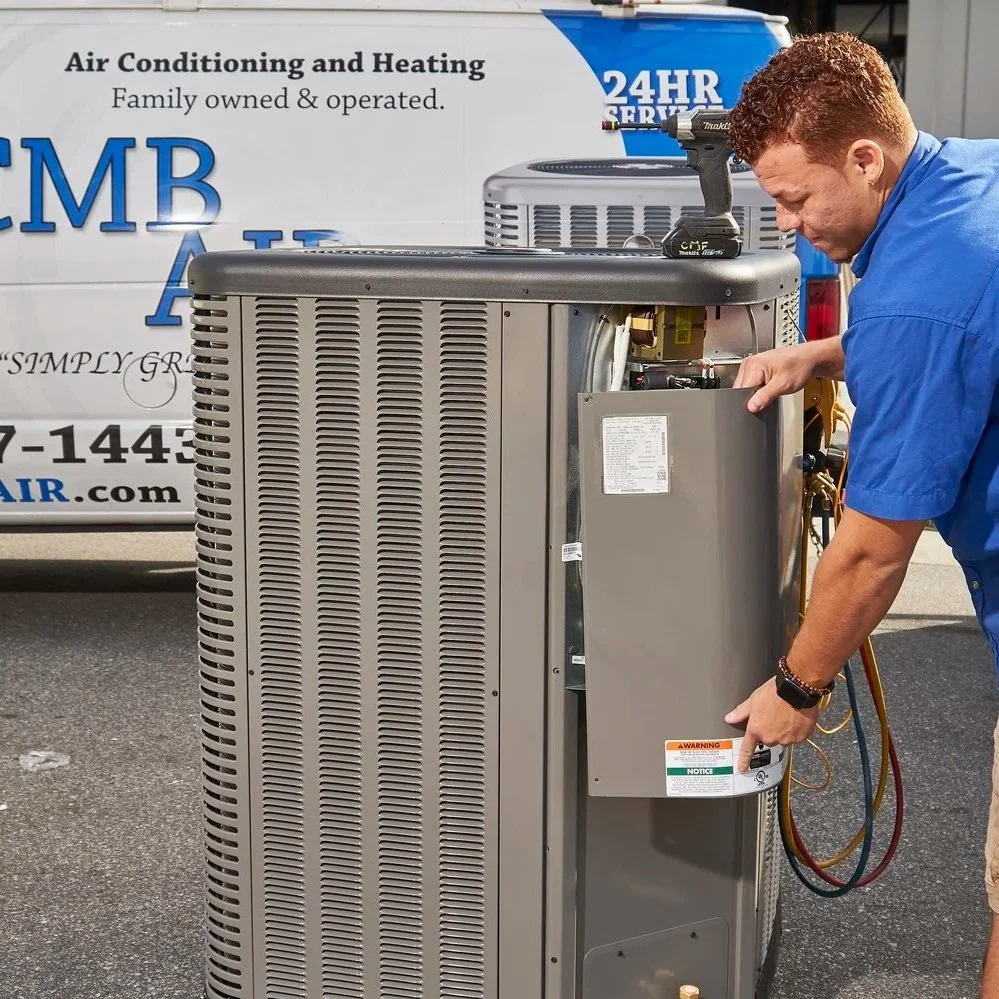
The difference between a quick repair and a full replacement often comes down to how the system has aged, the extent of damage, and how the coil affects overall performance.
You lower the thermostat, hear the system kick on, and then wait… and wait… and somehow the house still feels warm. That kind of frustration often points to a condenser coil that's no longer doing its job, and the bigger question becomes whether it needs repair or if it's time to replace it entirely.
Condenser coils are among the most important parts of an air conditioning system, but they're also among the most misunderstood. When performance starts to drop, many homeowners assume it's a minor issue, but coil problems can affect efficiency, reliability, and long-term system health. Deciding between repair and replacement isn't always straightforward, which is why a professional HVAC evaluation looks at multiple factors before recommending a solution.
The difference between a quick repair and a full replacement often comes down to how the system has aged, the extent of damage, and how the coil affects overall performance. Ignoring those factors usually leads to repeated service calls and rising energy costs, which is where the real frustration sets in.
Why System Age Changes The Decision Completely
One of the first things HVAC technicians look at is the age of the system. Condenser coils typically last between ten and fifteen years under normal conditions, but that lifespan depends heavily on maintenance and environmental exposure. Once a system moves past that range, repairs become less predictable and less cost-effective.
Older coils tend to develop multiple issues at once. Corrosion, reduced efficiency, and small leaks often occur together, making a single repair less effective. Fixing one problem doesn't stop the others from developing, which is why homeowners sometimes feel like they're constantly dealing with new issues.
At that point, replacement becomes a more practical option. A newer coil not only resolves the immediate problem but also restores efficiency and reliability. For homeowners with aging systems, continuing to repair a failing coil often results in higher long-term costs than replacing it.
How Physical Damage Affects Repair Options
Not all condenser coil damage looks the same, and the type of damage plays a major role in whether repair is possible. Bent fins, minor debris buildup, or small impact damage can often be corrected without replacing the entire coil. These issues affect airflow and heat transfer but don't always compromise the coil's structure.
More severe damage tells a different story. Extensive corrosion, crushed sections, or widespread fin deterioration can limit the effectiveness of a repair. Even if the coil can be partially restored, its performance may never return to original levels.
Professional HVAC technicians evaluate both visible damage and its impact on the coil's function. This includes checking airflow, heat exchange efficiency, and structural integrity. The goal isn't just to fix what's broken, but to determine whether the coil can continue performing reliably after the repair.
Why Performance Loss Is Often The Biggest Clue
Homeowners usually notice condenser coil issues through changes in performance rather than visible damage. Longer cooling cycles, uneven temperatures, and higher energy bills all point to reduced efficiency, which often stems from the coil.
When the condenser coil can't effectively release heat, the system has to work harder to achieve the same results. This added strain affects other components, leading to increased wear across the system. Over time, that inefficiency becomes more noticeable, especially during hotter months when the AC is under constant demand.
Professional testing measures the efficiency loss and whether it can be restored through cleaning or minor repairs. If the loss is significant, replacement may be the better option to bring the system back to proper performance levels.
Refrigerant Leaks And Why They Change Everything
Refrigerant leaks are one of the most important factors in deciding between repair and replacement. A single, isolated leak may be repairable, especially if it's located in an accessible section of the coil. However, multiple leaks or recurring issues usually indicate a larger problem.
Leaks often develop as coils age and materials begin to break down. Corrosion weakens the metal, creating small openings that allow refrigerant to escape. Repairing one leak doesn't prevent others from forming, which is why repeated service calls become common in these situations.
When leaks are widespread, replacement becomes the more reliable solution. Continuing to repair a leaking coil can lead to ongoing refrigerant loss, reduced efficiency, and higher operating costs. Addressing the issue at the source prevents those recurring problems.
The Cost Factor Homeowners Struggle With
Cost is often the deciding factor for homeowners, but it's not always as simple as comparing repair and replacement prices. A lower upfront repair cost can be appealing, but if the coil continues to fail, those costs add up quickly.
A professional HVAC evaluation considers both immediate and long-term costs. This includes estimating how long a repair is likely to last, how it will affect system efficiency, and whether additional issues are likely to develop. In some cases, replacing the coil leads to lower overall costs by reducing energy usage and eliminating repeated repairs.
This approach helps homeowners avoid the cycle of short-term fixes that don't solve the underlying problem. Instead of reacting to each issue as it appears, the focus shifts to a solution that provides stability over time.
Energy Efficiency And Why Older Coils Fall Behind
Older condenser coils often operate at lower efficiency than modern designs. Advances in materials and engineering have improved heat transfer, enabling newer coils to perform more effectively with less energy.
When an older coil becomes damaged or worn, its efficiency drops even further. This leads to higher energy consumption and longer run times, which directly impact utility bills. Homeowners may not immediately connect these increases to the coil, but the effect becomes more noticeable over time.
Replacing the coil with a modern component can improve efficiency and reduce operating costs. Professional analysis helps quantify these benefits, giving homeowners a clearer picture of how replacement affects long-term performance.
Why Compatibility Matters More Than Expected
Condenser coils are not universal components, and compatibility is critical to replacement decisions. A new coil must match the specifications of the existing system to function properly. Mismatched components can lead to performance issues, reduced efficiency, and even system failure.
Professional HVAC services evaluate these compatibility requirements before recommending replacement. This includes checking system capacity, refrigerant type, and manufacturer specifications. Ensuring proper alignment between components allows the system to operate as intended.
Skipping this step or using incompatible parts can create new problems that didn't exist before. Proper selection is what allows a replacement coil to deliver the expected performance improvements.
Installation Quality And Its Long-Term Impact
Even the best condenser coil won't perform well if it's installed incorrectly. Installation involves more than connecting the new component. It requires proper sealing, refrigerant charging, and system calibration to support efficient operation.
Poor installation can lead to leaks, airflow issues, and uneven cooling. These problems may not appear immediately but can develop over time, affecting both performance and reliability. Homeowners often experience these issues as ongoing inefficiencies rather than obvious installation errors.
Professional HVAC installation follows precise procedures to prevent these outcomes. From securing connections to testing system performance, each step supports long-term reliability and consistent cooling.
How Maintenance History Influences The Outcome
A system's maintenance history provides valuable insight into the condition of the condenser coil. Regular cleaning, inspections, and servicing help extend the life of the coil, while neglected systems tend to develop problems earlier.
Coils that haven't been maintained often exhibit buildup, corrosion, and reduced efficiency. These issues make repairs less effective and increase the likelihood of needing a replacement. On the other hand, well-maintained systems may still benefit from targeted repairs if the damage is limited.
Professional HVAC records help guide this decision. Understanding how the system has been maintained makes it easier to determine whether repair is a viable option or whether replacement will provide better results.
Environmental Exposure And Its Role In Coil Wear
Outdoor condenser units are exposed to environmental conditions that affect how quickly coils wear down. Dirt, debris, moisture, and even nearby vegetation can contribute to buildup and corrosion over time.
In coastal areas, salt exposure accelerates corrosion, while dusty environments lead to clogged fins and reduced airflow. These conditions increase the strain on the coil and shorten its lifespan. Homeowners in these environments often face coil issues earlier than expected.
Professional evaluation considers these factors when recommending repair or replacement. Addressing environmental exposure, such as cleaning or adding protective measures, helps extend the life of the new or repaired component.
Urgent AC Coil Issues? Read This Before Your System Gets Worse
How do I know if my condenser coil needs repair or replacement?
If your system is losing efficiency, running longer than usual, or experiencing repeated issues like refrigerant leaks, it may need more than a simple repair. A professional evaluation can determine whether the coil can be restored or should be replaced.
Can a damaged condenser coil be repaired?
Minor damage, such as bent fins or small blockages, can often be repaired. However, extensive corrosion or multiple leaks usually make replacement the more reliable option.
Why does my AC still run but not cool properly?
This often happens when the condenser coil can't effectively release heat. The system continues to run, but cooling performance drops because the heat exchange process is compromised.
Is replacing a condenser coil more expensive than repairing it?
Replacement costs more upfront, but it can reduce long-term expenses by improving efficiency and preventing repeated repairs. The best option depends on the condition of the coil and the system as a whole.
How long does a condenser coil typically last?
Most condenser coils last between ten and fifteen years with proper maintenance. Environmental conditions and usage patterns can affect how long they perform effectively.
CMB Air is a state-licensed, insured, and bonded company providing AC refrigerant leak repair, AC fan motor, AC condenser repair or replacement, AC circuit control board, AC tune-up and preventative maintenance, evaporator coil, and condenser coilservices in Tampa and surrounding areas. We are dedicated to serving our customers, providing them with solutions that meet the highest industry standards. Call today!